


Decodable Books for UFLI Foundations Lesson 52: nk /ŋk/
Every child deserves stories that spark curiosity and build a foundation for lifelong learning. These decodable books for UFLI Lesson 52 focus on nk, the ending heard in ink, bank, pink and junk. Children learn to read nk words as a chunk, with the n making the same sound as the ng in sing, followed by a quick /k/.
Free

Where Can Sloth Nap?
Sloth just wants the biggest, longest, most spectacular nap of his life, and he’s found the perfect tree. But every branch he tries turns out to belong to someone else already, from a hungry giraffe to a buzzing surprise. Will sloth ever find a spot to rest? Created to align with the UFLI Foundations scope and sequence (Lesson 52: nk /ŋk/), this book practises words like ’trunk’, ‘honk’, ‘blinks’, ‘funk’, ‘winks’.
Free
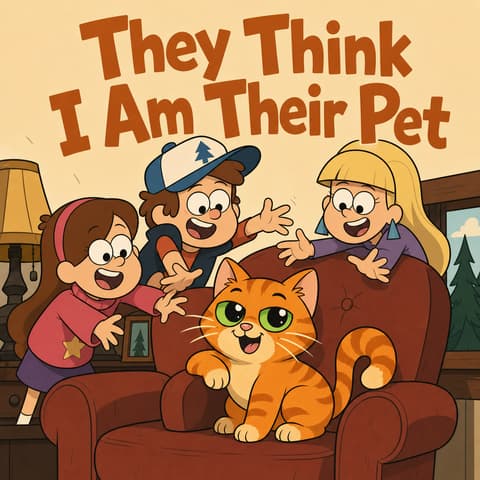
They Think I Am Their Pet
Everyone in this house thinks the cat is their pet. Really, it’s the other way around: the cat naps on laps, sneaks in muddy visitors, and rules the yard like it owns the place. But a cheeky mouse and a mean kid next door might not agree so fast, so who is really in charge here? Created to align with the UFLI Foundations scope and sequence (Lesson 52: nk /ŋk/), this book practises words like ’think’, ‘stinks’, ’trunk’, ‘wink’, ‘punk’.
Free
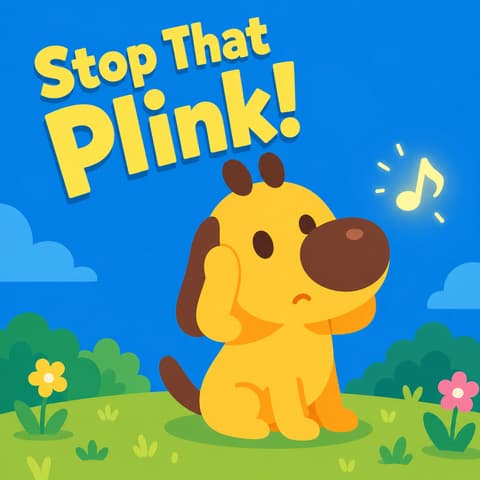
Stop That Plink!
Pup just wants a nap, but a noisy chirp keeps interrupting! He sniffs through the grass and slinks past a shrub, hunting for the source. He bumps into Trunk, who honks instead of chirping, then meets a prickly pal who makes Pup blink in surprise. Could the real culprit be hiding somewhere Pup hasn’t thought to look? Created to align with the UFLI Foundations scope and sequence (Lesson 52: nk /ŋk/), this book practises words like ’trunk’, ‘honks’, ‘blinks’, ’thinks’, ‘slinks’.
Free
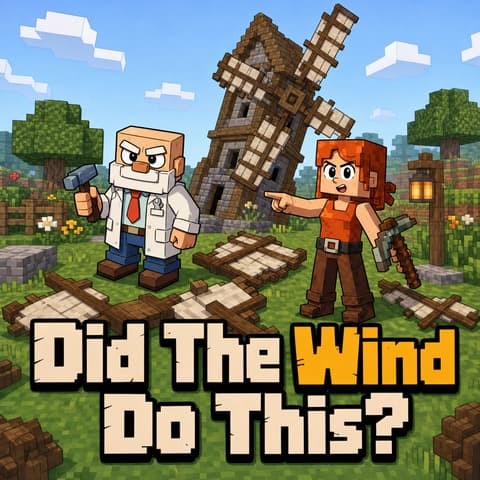
Did The Wind Do This?
Dr. Can Do just built the greatest windmill this world has ever seen, plank by plank. So when it’s smashed to bits overnight, on a day with no wind at all, he’s baffled. Jill isn’t so sure it was really an accident. What could have wrecked it, if the storm never came? Created to align with the UFLI Foundations scope and sequence (Lesson 52: nk /ŋk/), this book practises words like ‘clank’, ‘clunk’, ‘planks’, ‘chunk’, ‘drink’.
Free
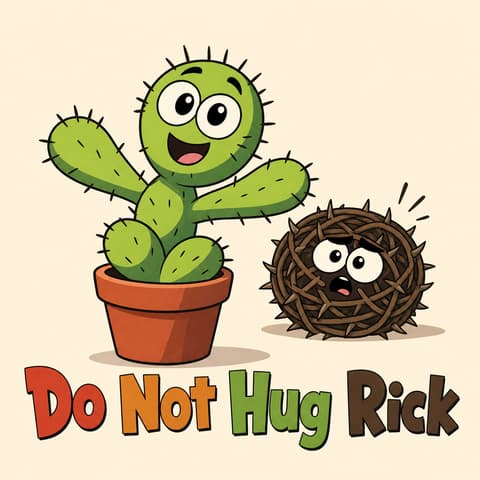
Do Not Hug Rick
Pip just wants a pal, but every plant he tries brushes him off with a shrug or a no thanks. He hops away in a funk, humming to himself, until a big plant finally blinks and seems ready to chat. Could this one become the friend Pip has been looking for all day? Created to align with the UFLI Foundations scope and sequence (Lesson 52: nk /ŋk/), this book practises words like ‘blinks’, ’thinks’, ‘funk’, ‘shrinks’, ‘winks’.
Free
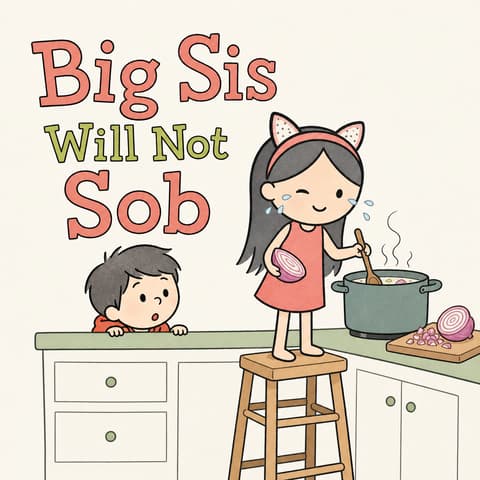
Big Sis Will Not Sob
Big Sis is the bravest, coolest person around, and nothing ever scares her, not high branches, not a crashed plane, not an angry dog, not even a big tumble in the dirt. So when her little sibling spots real tears rolling down her cheeks in the kitchen, it makes no sense at all. What could possibly make Big Sis cry? Created to align with the UFLI Foundations scope and sequence (Lesson 52: nk /ŋk/), this book practises words like ‘blinks’, ‘bonk’, ‘clanks’, ‘yanks’, ‘stink’.
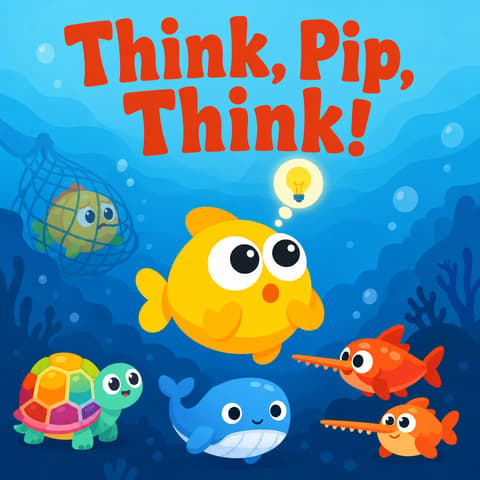
Think, Pip, Think!
Big Fish is trapped in a fishing net, and Pip, his little best friend, cannot bite through the rope no matter how hard he tries. Pip zips off to find someone with teeth sharp enough to cut Big Fish free, but will he find help in time? Created to align with the UFLI Foundations scope and sequence (Lesson 52: nk /ŋk/), this book practises words like ‘clank’, ’think’, ‘blink’, ‘sink’, ‘spunk’.
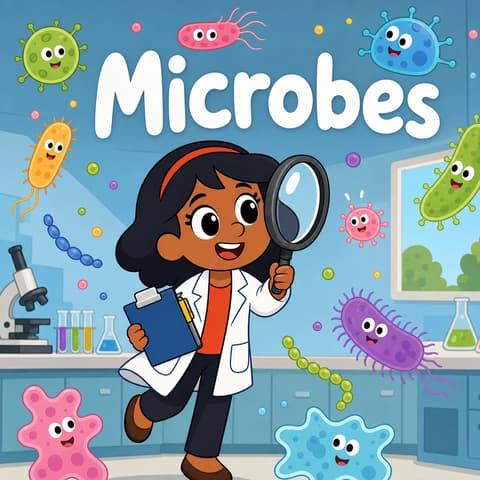
Microbes
Zara has one dream: to discover a brand new microbe, one nobody has ever found before. Her secret weapon is her powerful nose, and one day the fridge in the lab kitchen fills with a strange green stink unlike anything she’s ever smelled. Could this rotten, stinky mess be hiding something amazing? Created to align with the UFLI Foundations scope and sequence (Lesson 52: nk /ŋk/), this book practises words like ‘stink’, ‘clank’, ‘blinks’, ’thanks’, ‘gunk’.

What Is the Best Thing?
Fig Pig sails off to find the most amazing gift for Brat Cat, exploring strange coasts full of odd creatures along the way. Fat spotty cows, icy bears, and burning sand all fail to impress him. Will he ever find a gift good enough? Created to align with the UFLI Foundations scope and sequence (Lesson 52: nk /ŋk/), this book practises words like ‘blinks’, ‘chunk’, ‘plunk’, ‘shrinks’, ‘winks’.

Tsuro Slinks for Chat
Tsuro the Hare has small, round ears, but he cannot stand to miss anything. When the Creator calls every animal to the big rocks for their final gifts, Tsuro slinks off to press his ear against a crack instead of waiting his turn. Bonk! What happens when Tsuro tumbles straight into the Creator’s den? Created to align with the UFLI Foundations scope and sequence (Lesson 52: nk /ŋk/), this book practises words like ‘blinks’, ’thinks’, ‘slink’, ‘yanks’, ’thanks’.

A Plan at Dusk
Ngai wants to help old Gran Wanjirũ grow young and strong again, so he sends the Chameleon with a special message. But the Chameleon stops to munch a chunk of fig and conks out for a nap instead of hurrying on. Will his message reach the gran in time? Created to align with the UFLI Foundations scope and sequence (Lesson 52: nk /ŋk/), this book practises words like ‘blink’, ‘chunk’, ‘conks’, ’thinks’, ‘shrinks’.
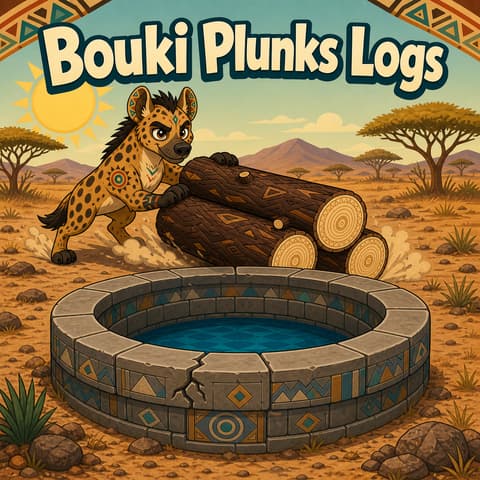
Bouki Plunks Logs
Bouki the Hyena drags three big logs over the village well and won’t let anyone drink unless they pay. A girl named Aissatou watches him gloat over his pile of millet, and notices a crack in the old stone rim that makes a strange, hollow sound when the wind shifts. What can she do with that? Created to align with the UFLI Foundations scope and sequence (Lesson 52: nk /ŋk/), this book practises words like ’thinks’, ‘blinks’, ‘clunk’, ‘shrinks’, ‘winks’.
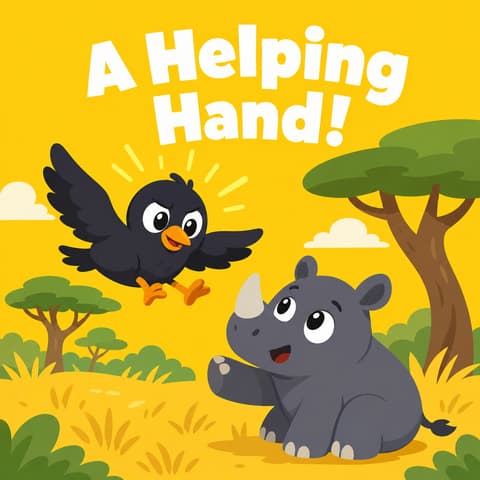
A Helping Hand!
Pip the bird has just moved to a new part of the world and doesn’t know a single soul. Down below, he spots a rhino, a croc, a giraffe, and a zebra, each one stuck with a problem only a small, brave friend could fix. Can Pip prove that even the tiniest bird can be the biggest help? Created to align with the UFLI Foundations scope and sequence (Lesson 52: nk /ŋk/), this book practises words like ’thinks’, ‘honk’, ‘blinks’, ‘chunk’, ‘yanks’.
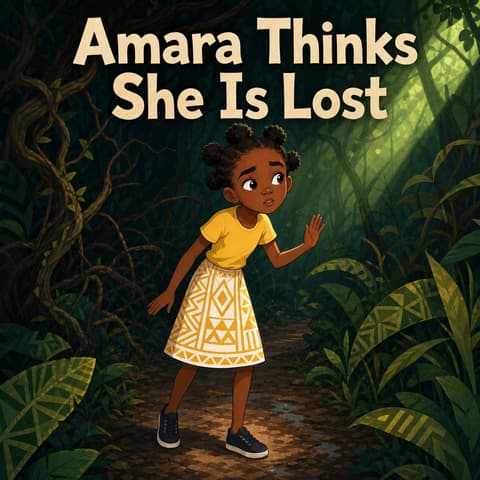
Amara Thinks She Is Lost
Amara runs past the forbidden tree and straight into the great forest, chasing a chicken she never catches. Lost among trunks taller than she can see, she stops to help a small, sinking plant instead of panicking. Soon a spirit is watching her from the shadows. What will he ask of her? Created to align with the UFLI Foundations scope and sequence (Lesson 52: nk /ŋk/), this book practises words like ‘blinks’, ’thinks’, ’trunk’, ’thanks’, ‘sinks’.
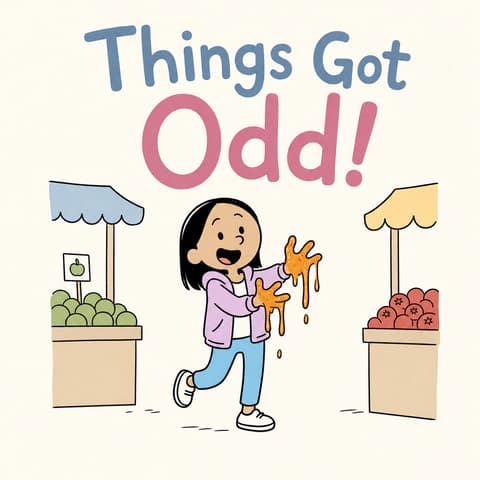
Things Got Odd!
A girl comes back from the market grinning ear to ear, her fingers covered in sticky orange juice. She’s had a big day full of surprises, from fairy floss to a runaway balloon, but can she keep her sticky hands off all the treasures along the way? Created to align with the UFLI Foundations scope and sequence (Lesson 52: nk /ŋk/), this book practises words like ’think’, ‘funk’, ‘gunk’, ’thanks’, ‘winks’.

Just Cat and Me
Kit steps down and bonk, there’s Dad, blocking the way again in a house packed with family. Kit wishes they would all just go, dreaming of a big blank house with room to jump and swing with Cat. But when the wish comes true and the house goes silent, will Kit’s noisy games with Cat feel as fun without anyone else around? Created to align with the UFLI Foundations scope and sequence (Lesson 52: nk /ŋk/), this book practises words like ‘bonk’, ‘clank’, ‘blinks’, ‘sinks’, ‘winks’.
Decodable Books Created to Align with the UFLI Foundations Scope and Sequence
Frequently Asked Questions
What are some common nk words?
Common nk words include bank, sank and tank; ink, pink, sink and wink; honk; and bunk, junk and skunk. Children who already know th can also read think, and those who know ch can try chunk. Grouping nk ending words by their vowel, as in ank, ink, onk and unk, makes it easier to read whole families at once.
Is nk one sound or two?
Nk stands for two sounds: the /ŋ/ heard at the end of sing, followed by /k/. Because the n does not make its usual /n/ sound, children who blend n and k separately often end up with a word that sounds wrong. Teaching nk as a chunk, and reading plenty of examples in the books for UFLI Lesson 52, helps children say it smoothly.
Should nk be taught as a blend or a digraph?
Strictly speaking, nk is neither a pure blend nor a digraph, because it spells two sounds but the n changes to /ŋ/. Many teachers call ank, ink, onk and unk glued or welded sounds for that reason. The label matters less than the practice, and Stanovich (1986) showed that children who decode easily tend to read more, which builds vocabulary and fluency over time.
How do you say the nk sound?
Say the word sing, hold the final sound, and then add a short /k/: that is the nk in sink. The back of the tongue rises for /ŋ/ and stays there for /k/, so the two sounds flow together without a gap. Comparing sick and sink, or back and bank, helps children hear the extra nasal sound before the /k/, and it doubles as quick phonemic awareness practice.
Bookbot is not endorsed by or affiliated with UFLI (the University of Florida Literacy Institute) or Jolly Learning Ltd. UFLI Foundations and Jolly Phonics are trademarks of their respective owners.