


Nature Books for 1st Graders
Literacy changes lives, and we’re dedicated to making quality books accessible to every young reader. Discover beautiful nature books for 1st graders ages 5-6. Our children’s books feature forests, oceans, and outdoor adventures perfect for beginning readers. These picture books and storybooks build reading confidence through environmental explorations.
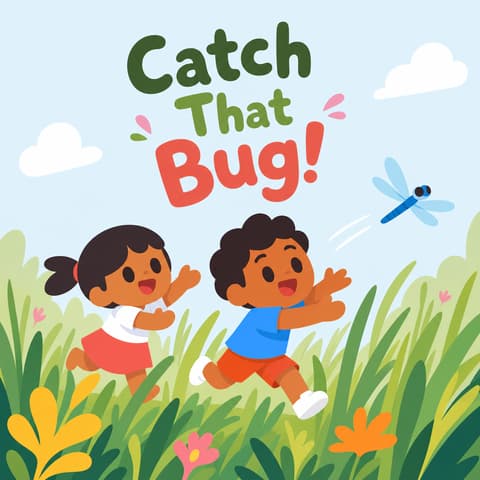
Catch That Bug!
Have you ever tried to catch the fastest bug in the playground? When the teacher sets a bug-catching task, two friends pick the trickiest target of all - a dazzling dragonfly that zips, darts, and dodges every grab. Can leaves, a spider’s web, and a whole lot of teamwork outsmart a bug that seems to read minds? This decodable reader practises the ‘ch’ sound in words like ‘catch,’ ‘chase,’ ‘branch,’ and ‘snatch.’
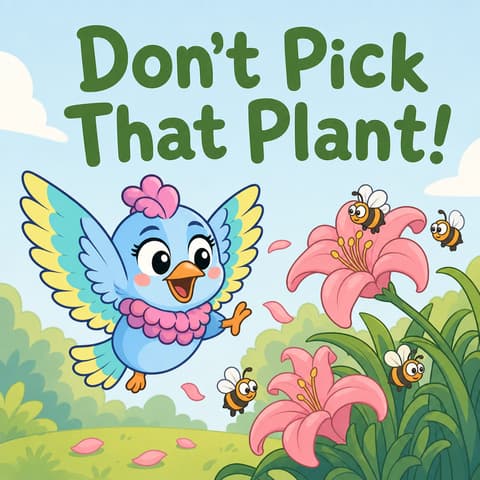
Don't Pick That Plant!
Beth has one blank spot in her cosy nest, and it needs the perfect flower to fill it. But every time she spots a bloom she likes, somebody shouts, “Don’t pick that flower!” A fussy butterfly, grumpy bees, a spider guarding its web - will Beth ever find a flower nobody tells her to leave alone? Can she trust her own wink of an idea? This decodable reader practises the nk phonogram in words like ‘blink,’ ‘honk,’ ‘plank,’ and ’think.’
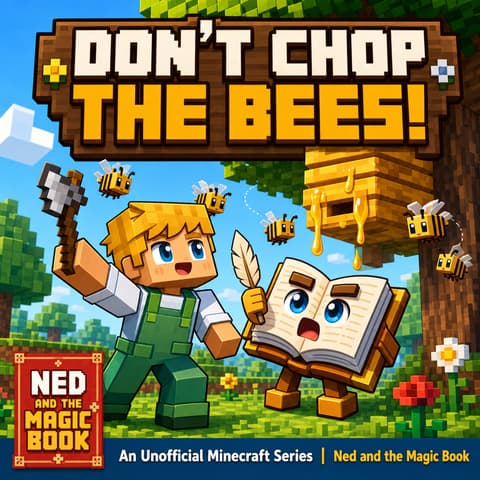
Don't Chop the Bees!
Ned spots a bee buzzing past a lush bush and just has to know where it lives. But when he finds a nest full of fresh, golden honey, will he listen to The Book’s warnings, or grab his axe and charge in? And what happens when his new bee friends love him a little too much? A bold, buzzing adventure full of sticky surprises! This decodable reader practises the sh phonogram in words like ‘bush,’ ‘fresh,’ ‘hush,’ ‘rush,’ and ‘shirt.’
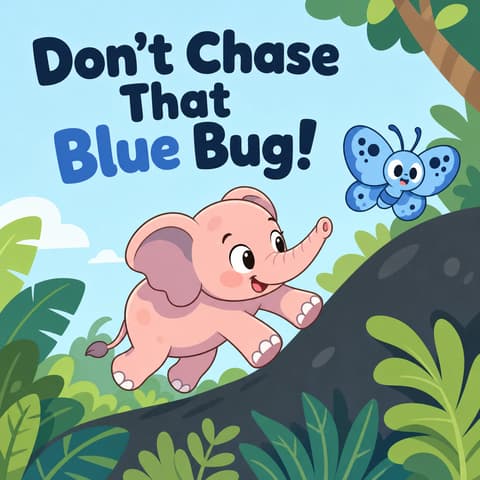
Don't Chase That Blue Bug!
Mum said don’t follow that butterfly - but how can Nell resist when a flash of blue flits down the path ahead? What will she find in the deep, wild jungle: pink snakes, chimps in the trunk, or something far more dangerous? And when trouble slinks closer, can she make it back home? This decodable reader practises the ’nk’ sound with words like ‘pink,’ ‘sank,’ ‘shrank,’ ‘slunk,’ and ’think.’
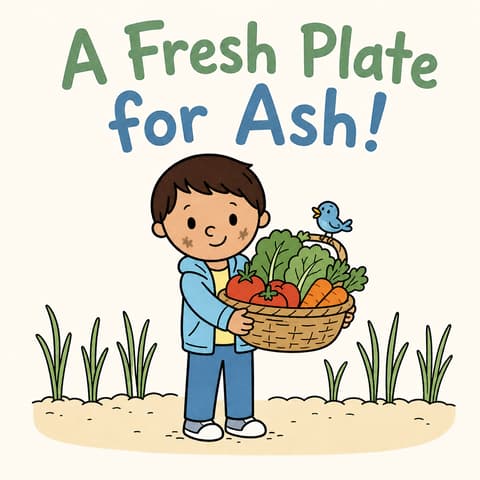
A Fresh Plate for Ash!
Ash has grown his very own dinner - every single carrot, every tomato, every leaf - and he wants the whole family to know about it! But farming is not as easy as it looks. Can Ash chase off hungry birds, build a strong fence, and keep his tiny shoots safe long enough to fill a plate? And who on earth brought those sweet pastries to the table? This decodable reader practises the ‘sh’ sound in words like ‘dish,’ ‘fresh,’ ‘splash,’ and ‘shouts.’
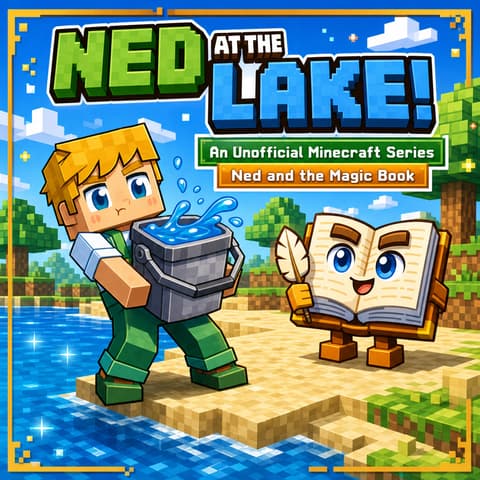
Ned at the Lake!
Ned has a brand new home, a proud name on the sign, and a belly that rumbles louder than thunder. Can a talking Book really teach him to grow food from tiny seeds? Why does every job start with “simple” and end with sore arms? From shaping a blade to hauling a bucket from the lake, Ned is about to find out that farming is harder than it looks! This decodable reader practises silent e words such as ‘bake,’ ‘bone,’ ‘shape,’ ‘while,’ and ‘waste.’
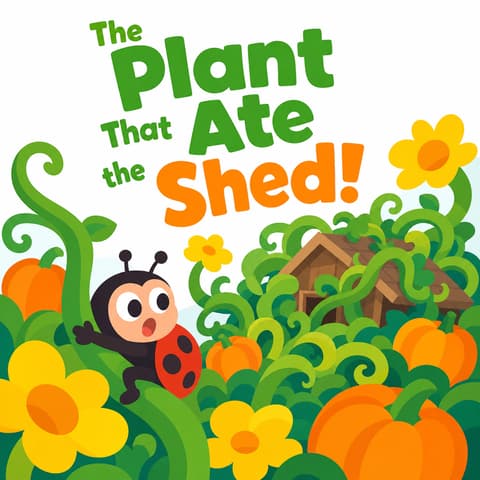
The Plant That Ate the Shed!
When Ladybug plants one teeny, tiny vine, she’s sure she’ll grow the most magnificent garden ever - but what happens when a little vine refuses to stop growing? Can Ladybug and her friends rein in the twisting tendrils before the whole world turns into one big green, flowery mess? With swallowed sheds, splitting stems, and watermelons the size of boulders, this wild garden tale is bursting with giggles. This decodable reader practises the ’nk’ sound in words like ‘pink,’ ’think,’ ’trunk,’ ‘junk,’ and ‘shrink.’
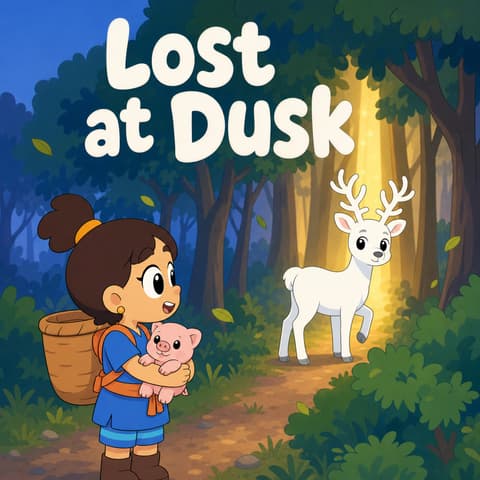
Lost at Dusk
Jen’s mum and dad must set off to hunt for food, leaving her alone at the little leaf-roofed hut with only Piglet for company. But what happens when a white deer tiptoes out of the trees and beckons her into the shadows? Can Jen find her way home before dusk falls, and who might she meet along the way? This decodable reader practises short u with j, v, y in words like ‘just,’ ‘yum,’ ‘hunt,’ and ‘dusk.’
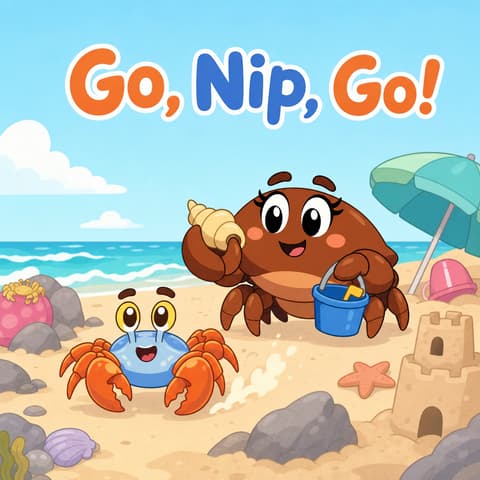
Go, Nip, Go!
Nip the little crab is bursting with excitement - today is the day she finally gets to see the sea! But with shiny shells to collect, a friendly fiddler crab to meet, and a whole beach full of new crab pals, will Nip ever make it to the water? And what happens when she bumps into a grouchy crab who isn’t in the mood for hellos? This decodable reader practises open syllables in words like ‘by,’ ‘go,’ ‘he,’ ’no,’ and ‘so.’
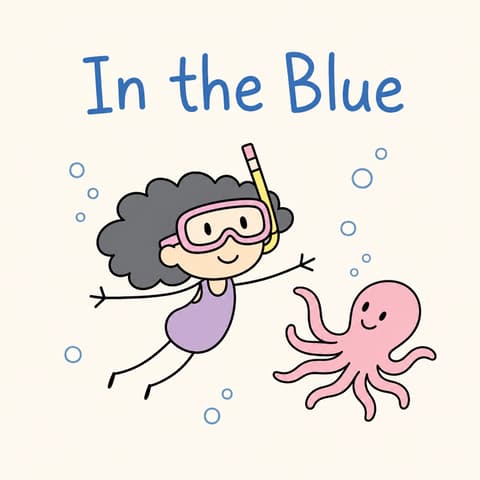
In the Blue
Dive into an underwater adventure! A young girl explores the ocean and discovers amazing sea creatures. She meets a friendly fish that can fly, spots something shiny that looks like gold, and encounters animals with curly legs that nip! What other surprising creatures will she find in the deep blue sea? Join her as she swims through this exciting underwater world full of wonder and discovery.
Frequently Asked Questions
How do nature books build background knowledge that helps 1st graders read better?
Nature books for 1st graders introduce vocabulary and concepts about animals, habitats, weather, and seasons that become building blocks for comprehension in later grades. Snow, Burns and Griffin (1998) stress that broad world knowledge is one of the strongest predictors of reading success. On Bookbot, nature picture books for first grade deliver this knowledge through decodable text aligned to 1st grade phonics, so children learn about the world while practising their decoding skills.
Why are nature stories for 5 year olds effective at building reading stamina?
Nature stories for 5 year olds draw children in with vivid illustrations of forests, oceans, and animals, motivating them to keep reading page after page. Research on narrative absorption (2022) shows that topic interest increases the time readers spend engaged with a text. Bookbot’s nature books for beginning readers are available on the Bookbot website, with many titles free to read and select titles offering read-aloud features, giving families flexible ways to build daily reading habits.
Can nature picture books for first grade support learning outside of reading class?
Nature picture books for first grade connect directly to science and social studies topics, reinforcing classroom learning through independent reading. The NCTE emphasises the importance of giving children access to informational texts from the earliest grades. Bookbot’s nature books for 1st graders use a phonics-based scope and sequence so the reading level stays manageable even when the content introduces new scientific terms.
How do I pick the right nature books for my beginning reader?
Choose nature books where your child can decode most words independently, sounding out only a few new words per page. First graders typically work through CVC words, consonant blends, and digraphs, and Bookbot’s nature books for beginning readers are levelled to match this progression. Many titles are free to read on the Bookbot website. For a deeper look at how phonics levels work and how to select the right book, visit our article on laying the foundations for a love of reading.