


Nature Books for 3rd Graders
Literacy changes lives, and we’re dedicated to making quality books accessible to every young reader. Find the best nature books for 3rd graders featuring outdoor exploration and wildlife habitats. These children’s books for ages 7-8 combine environmental themes with grade-appropriate reading levels perfect for elementary students.
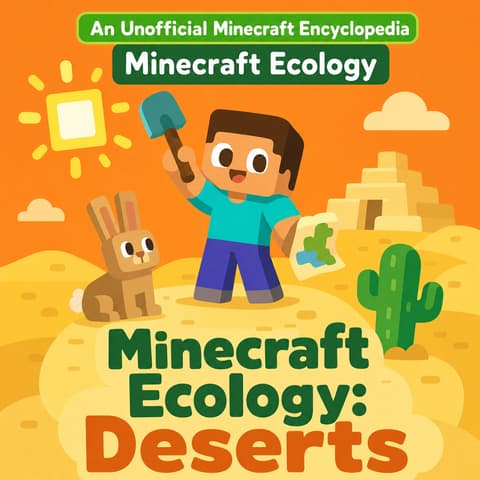
Minecraft Ecology: Deserts
Could you survive a day in the blazing Minecraft desert? Sand stretches in every direction, the sun climbs to a dizzying height, and the air feels weirdly still. Where do husks hide when the heat gets too strong? How do rabbits stay cool, and what hidden treasures wait beneath the dunes? Grab a shovel, pack a map, and seize the chance to explore this foreign land! This decodable reader practises the ’ei’ phonogram in words such as ‘weird,’ ‘height,’ ’neither,’ and ‘seize.’
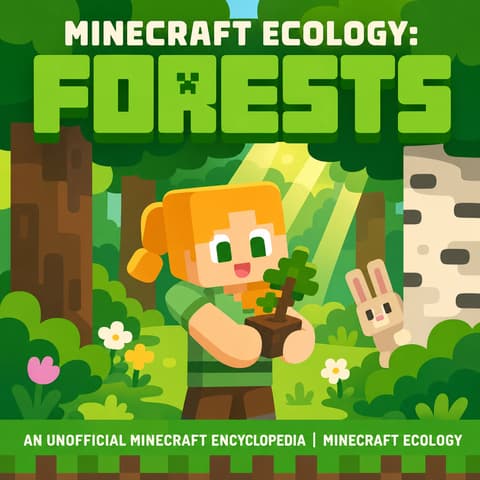
Minecraft Ecology: Forests
Step into the shady world of Minecraft forests, where oak and birch trees pack tight and the floor stays cool and dim. Can Alex keep her wits about her when thick leaves block her view and mobs lurk behind every trunk? Why is wood the most treasured thing in the game, and what happens when too many trees fall? Gather provisions, spot rare dark oaks, and help replant a greener world. This decodable reader practises si making /zh/ in words like ’treasure,’ ‘vision,’ ‘unusual,’ and ‘decision.’
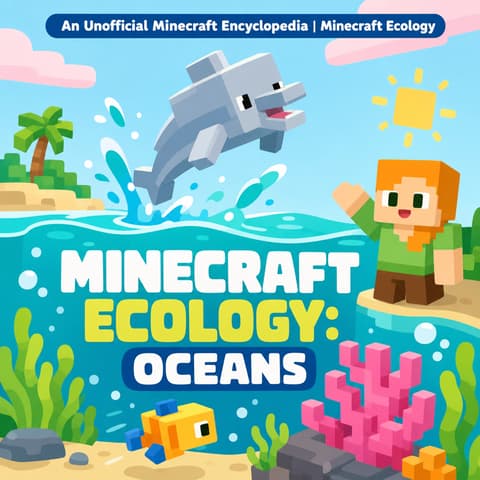
Minecraft Ecology: Oceans
Dive beneath the waves and explore the huge ocean biomes of Minecraft! Did you know oceans cover more than half the whole world? From warm, sunny reefs bursting with tropical fish to frozen seas where only the toughest mobs survive, each ocean hides its own secrets. Who lurks in the dark depths? Which creatures can leap from the water and walk on land? This decodable reader practises the ph sound in words like ‘dolphins,’ ‘atmosphere,’ ‘amphibians,’ ’triumph,’ and ‘catastrophe.’
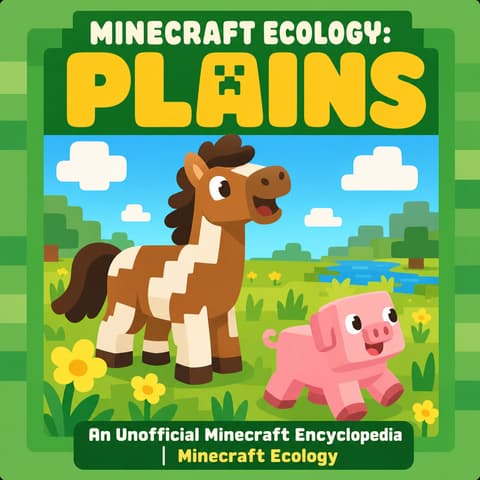
Minecraft Ecology: Plains
Welcome to the wide, green plains of Minecraft, where the grass stretches out as far as you can see! Can you hear a horse neigh near the fence, or spot a cow grazing in the shade? Which peaceful mobs live in this sunny neighbourhood, and why does a farmer need to balance the herd? This decodable reader practises the ’eigh’ phonogram with words like ’eighty,’ ’neigh,’ ‘weighs,’ and ‘outweigh.’
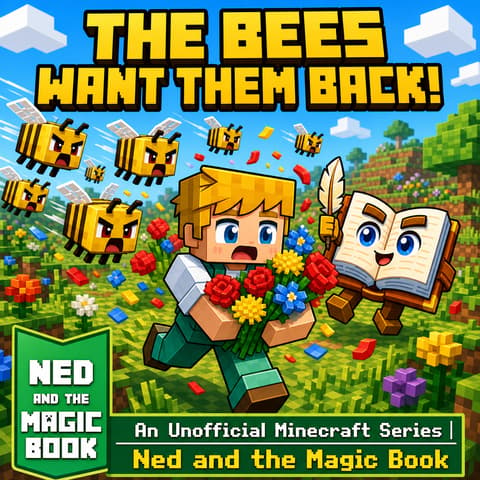
The Bees Want Them Back!
Ned’s shed is finished, but something feels missing - can a trip to the beach, a shovel, and a bit of squishy blue clay really turn a plain little shed into something special? And when Ned reaches for a fistful of flowers, why do the bees suddenly want them back? Join Ned and The Book on a colourful, buzzing adventure. This decodable reader practises the ‘ph’ sound in words like ‘oomph,’ ‘phenomenal,’ ‘phew,’ and ‘spheres.’
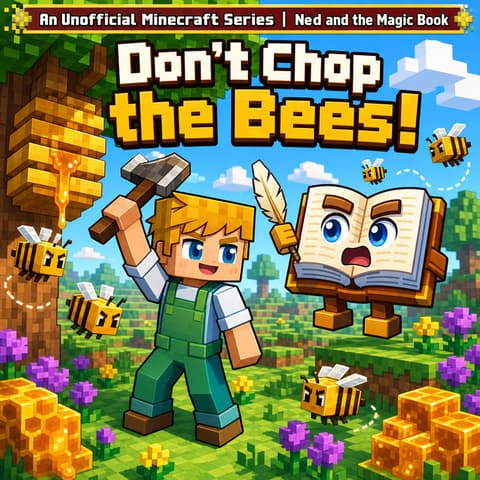
Don't Chop the Bees!
Ned has a cosy farm, a magic Book, and fruit trees that suit him just fine - but what happens when a lone bee cruises past the yard and leads him deep into the woods? Can Ned resist chopping down the hive for one taste of that juicy, golden honey? And if he builds his own, will the bees be a sweet treat or a total nuisance? This decodable reader practises the ‘ui’ sound in words like ‘fruit,’ ‘suit,’ ‘cruises,’ and ‘bruise.’
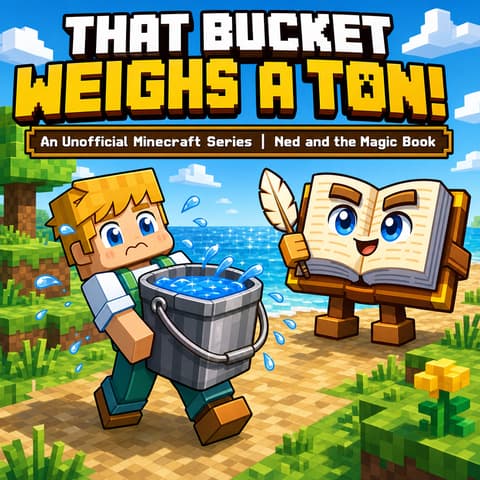
That Bucket Weighs a Ton!
Ned has built a brand-new house in a quiet neighbourhood, but there’s a problem - he’s down to his last few apples and his tummy is rumbling! Luckily, The Book has a plan involving seeds, a hoe, and one very heavy bucket of water. Can Ned haul it all the way from the beach without tipping into the sea? And will his tiny green shoots ever grow into real food? This decodable reader practises the ’eigh’ phonogram in words like ’eight,’ ‘weighs,’ ‘weighty,’ and ’neighbours.’
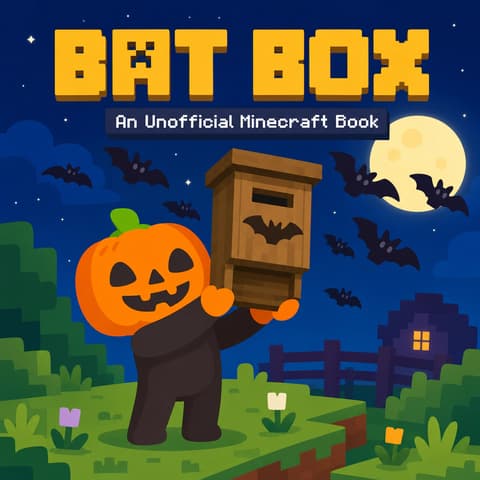
Bat Box
Jack the scarecrow is the world’s worst at scaring - but he’s determined to fill the farm with bees, birds, and bats! When his neighbour Zom asks for help with pesky mosquitoes, Jack sets out to build the cosiest, darkest hideaway any bat could dream of. But where do you put a bat box on a sunny, open farm? Will the bats ever come? This decodable reader practises the ’ei’ phonogram in words like ’eight,’ ‘height,’ ‘weight,’ ’neighbour,’ and ‘receive.’
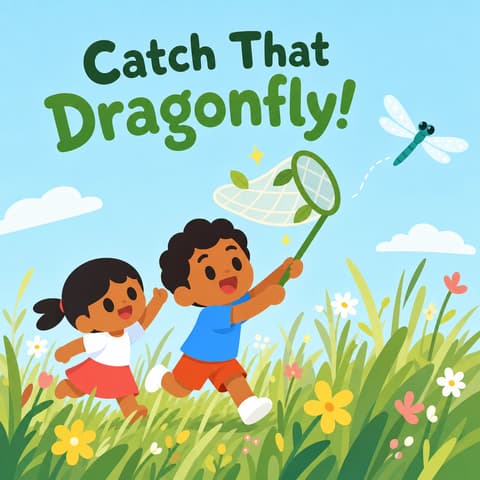
Catch That Dragonfly!
The homework assignment of a lifetime: catch a real insect and study it up close! But when Kim picks the fastest bug in the playground, can two kids really outsmart a dragonfly that darts at lightning pace? Every time they get close, it zips away like it notices their every move. What clever trick might finally work? This decodable reader practises the soft c sound in words like ‘centre,’ ‘circle,’ ’notice,’ and ‘silence.’
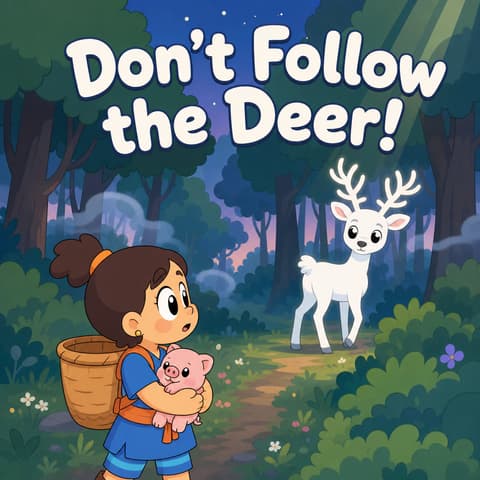
Don't Follow the Deer!
What happens when a mysterious white deer appears at the edge of the forest and beckons you to follow? When a curious child ignores their mother’s warning and chases the deer deep into the trees, they get hopelessly lost - but find something wonderful instead. Could a pangolin, a honey-loving bear cub, and a gentle elephant become unlikely friends? This decodable reader practises the ph phonogram in words like ‘photo,’ ‘pheasant,’ ’elephant,’ and ’triumphant.’
Frequently Asked Questions
How do nature books for 3rd graders support the shift to reading for meaning?
Third graders are moving from decoding words to using reading as a learning tool, and nature books for 3rd graders are ideal for this transition because they combine engaging content with domain-specific vocabulary like “ecosystem,” “habitat,” and “migration.” Snow, Burns, and Griffin (1998) identified background knowledge and vocabulary as critical to reading comprehension, and nature-themed stories build both at once. On Bookbot, nature picture books for third grade are available on the website, with many titles free to read, giving children plenty of practice with informational text. Learn more about how structured reading builds skills in our what are decodable books article.
Can nature stories for 7 year olds help children who prefer nonfiction?
Yes. Many 3rd graders are drawn to facts over fiction, and nature stories for 7 year olds satisfy that preference with real-world topics like animal life cycles, weather patterns, and ocean habitats. The NCTE emphasises that nonfiction reading across all grades builds critical thinking and informational literacy. Bookbot’s nature books for 3rd grade readers blend narrative and informational text so children develop comprehension skills in both genres – available on the Bookbot website, with many titles free to read.
Are nature picture books for third grade effective for read-aloud sessions?
Nature picture books for third grade work especially well as read-alouds because their descriptive language and vivid imagery naturally prompt questions and discussion. Takacs and Bus (2020) found that multimedia story features enhance vocabulary learning, and Bookbot’s read-aloud mode with word-by-word highlighting brings this research to life. Parents can pause to talk about what an animal eats or how a storm forms, building the oral language skills that Scarborough’s Reading Rope (2001) links to skilled reading. For tips, see our guide on the benefits of reading aloud.
What nature topics do Bookbot's books cover for third grade?
Bookbot’s nature books for 3rd graders span forests, oceans, wildlife, weather, and ecosystems – topics that align with common third-grade science curricula. Each nature picture book for third grade is levelled by a phonics-based scope and sequence so children read at the right challenge level. Ehri et al. (2001) demonstrated that level-matched, systematic reading practice produces the strongest gains in word recognition, making well-levelled nature stories for 7 year olds a smart choice for building fluency while exploring the natural world.