


Animal Books for 3rd Graders
We believe every child deserves access to quality reading materials that nurture a lifelong love of learning. Find the best animal books for 3rd graders featuring wildlife and beloved pets. These children’s books for ages 7-8 combine fascinating creature stories with grade-appropriate reading levels perfect for elementary students.
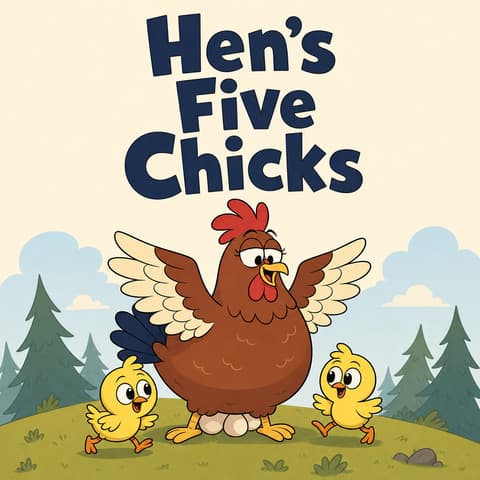
Busy Hen
Hen has five precious eggs in her cosy nest, and she is determined to be the best mum in the whole wide world. But what happens when the shells start to tap and crack? Can Hen keep up with five wiggly, giggly chicks who will not sit still for a single second? Settle in for a warm, funny farmyard adventure. This decodable reader practises the ‘ph’ sound in words like ‘phew,’ ‘photograph,’ ’telephone,’ and ‘phenomenal.’
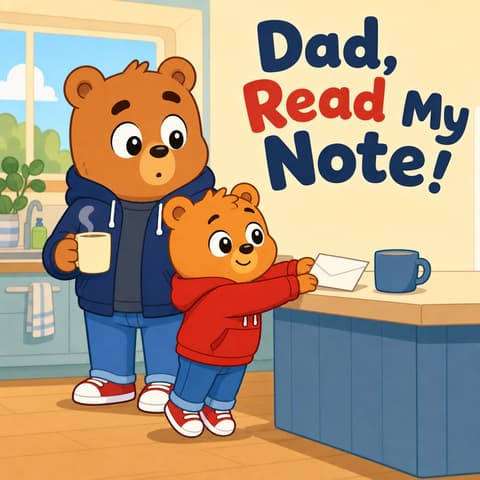
Dad, Read My Note!
What do you do when your dad is the best dad in the whole neighbourhood, but he’s also too tired to go fishing? One clever kid has tried tugging, begging, and waving a fishing rod in the air - nothing works! So he writes a secret note and slips it next to Dad’s morning mug. Will the note finally get Dad off the couch, and what woodland surprises wait on the path? This decodable reader practises the eigh phonogram in words like “eight,” “neighbour,” “weighed,” and “sighed.”
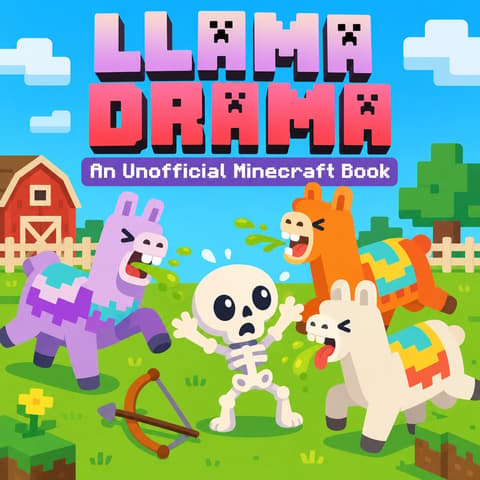
Llama Drama
BOOM. BOOM. BOOM. What is shaking the walls of Skel’s farmhouse in the middle of the night? When he stomps outside, he finds three llamas prancing on the grass - and by morning, there are forty-seven more! They are gnawing the crops, gnashing their teeth, and spitting sticky green goo. Can Skel and Zom ever get rid of this woolly, wobbling herd? This decodable reader practises the gn phonogram in words like ‘gnashing,’ ‘gnawed,’ ‘resigned,’ and ‘designed.’
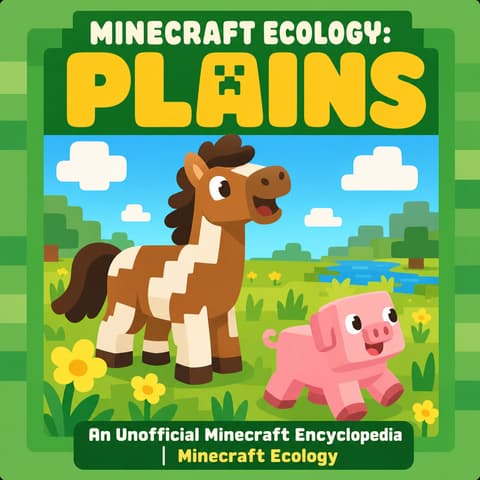
Minecraft Ecology: Plains
Welcome to the wide, green plains of Minecraft, where the grass stretches out as far as you can see! Can you hear a horse neigh near the fence, or spot a cow grazing in the shade? Which peaceful mobs live in this sunny neighbourhood, and why does a farmer need to balance the herd? This decodable reader practises the ’eigh’ phonogram with words like ’eighty,’ ’neigh,’ ‘weighs,’ and ‘outweigh.’
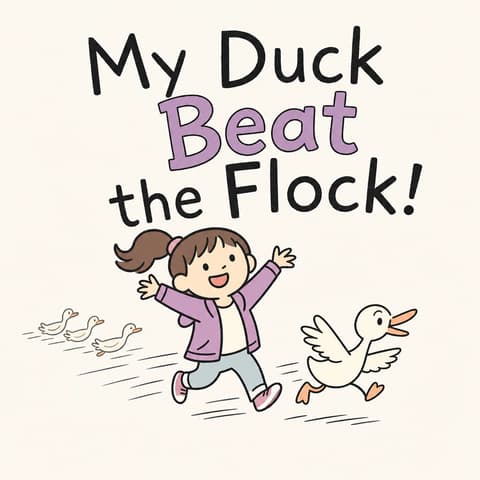
My Duck Beat the Flock!
Jen says her wobbly duck is the fastest in town - but can a duck that barely lifts off the ground really beat a whole flock of sleek racers? When the Big Flock Race begins and the starting horn blows, will Jen’s feathery friend flap into glory or flop in front of the giggling crowd? This decodable reader practises the gn phonogram in words like ‘sign,’ ‘gnat,’ ‘reigned,’ and ‘resigned.’
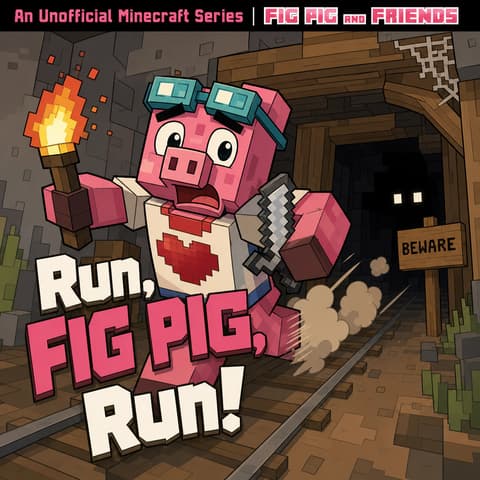
Run, Fig Pig, Run!
Deep in an old, forgotten mine, Fig Pig grips his little lamp and marches bravely into the dark. But what lurks beyond the rusty rails and towering stone arches? A glittering chest? A snoring spider the size of a wheelbarrow? A wobbly walkway over bubbling lava? Fig Pig thinks he’s tough enough for anything - but can one brave little pig really handle all that? This decodable reader practises the ‘ough’ phonogram in words like ’tough,’ ’though,’ ‘brought,’ and ’enough.’
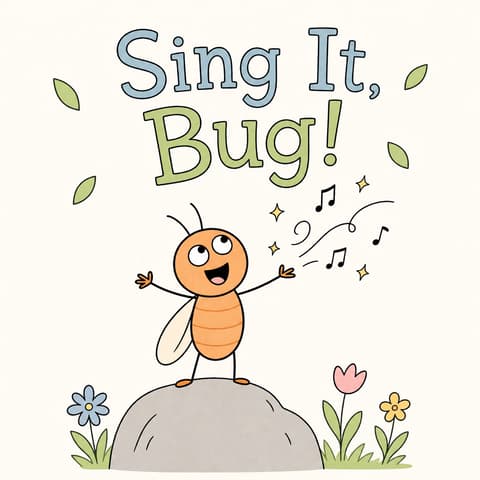
Sing It, Bug!
Spring has sprung, and Bug has a fizzy, buzzy, can’t-sit-still feeling in her belly - she wants to SING! But what happens when Duck only sings in the rain, Frog’s song has forty-seven verses, and Big Bird’s trill nearly blows Bug’s antennae off? Can one tiny bug find a song that’s truly her own, and maybe bring all her friends together too? This decodable reader practises the wr phonogram in words like ‘wriggle,’ ‘wrinkled,’ ‘wrist,’ ‘wrong,’ and ‘wry.’
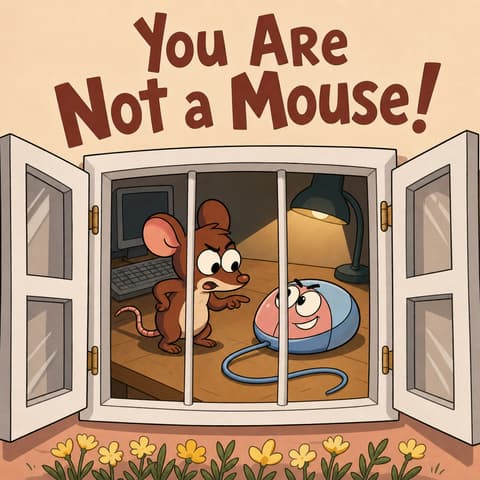
You Are Not a Mouse!
Tik the mouse has found the perfect empty house - no cats, no dogs, no people. But when he bites a strange rubbery rope on the desk, a very angry voice shouts back! Who is Klik, the round little creature who claims to be a mouse but has no whiskers, no paws, and no snout? And when a huge cat comes prowling, can this odd new friend really save the day? This decodable reader practises the ‘kn’ sound in words like ‘knew,’ ‘knot,’ ‘knees,’ and ‘knucklehead.’
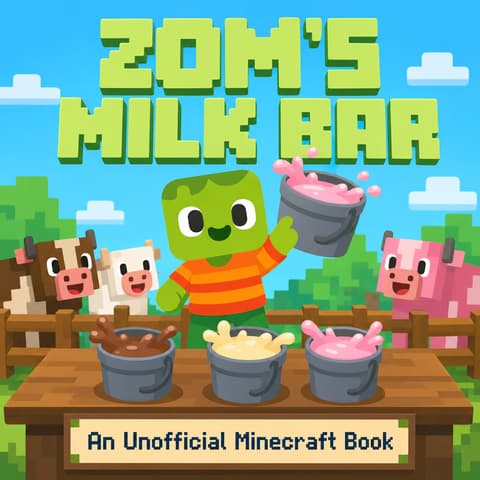
Zom's Milk Bar
Zom has a BIG plan - he’s going to be rich! All he needs is cows… lots and lots of cows. Brown ones make chocolate milk, white ones make vanilla, and that splashy pink one? Strawberry, obviously! But when three curious villagers come running in pursuit of the sweet smells, will Zom’s sneakiest new flavour win them over, or send them sprinting down the path? This decodable reader practises the ‘ui’ phonogram in words like ‘fruit,’ ‘juicy,’ ‘suit,’ and ‘recruited.’
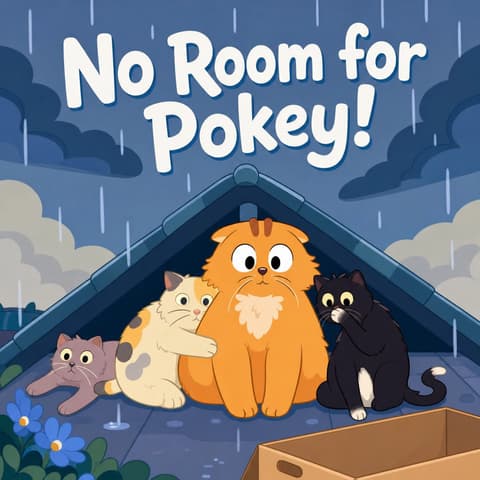
No Room for Pokey!
Pokey the cat is searching for a cosy spot to sleep, but every place he tries is already taken! A box stuffed with grumpy cats, a trash can guarded by snarling Inky - nobody wants to share. Then the rain begins, lightning cracks the sky, and suddenly everything changes. Will Pokey find somewhere safe, and what will he do when the other cats need help too? This decodable reader practises the ‘ough’ phonogram in words like ’tough,’ ‘rough,’ ’enough,’ ’thought,’ and ’through.’
Frequently Asked Questions
How do animal books help 3rd graders bridge fiction and nonfiction reading?
Animal books for 3rd graders are uniquely positioned to bridge fiction and nonfiction because many animal stories weave factual content about habitats, behaviour, and biology into narrative form. The NCTE emphasises that nonfiction literacy is essential across all grade levels, and animal picture books for third grade introduce informational text structures in a topic children already love. Third grade is the stage Chall (1983) identified as the transition to ‘reading to learn,’ making animal-themed nonfiction an ideal vehicle for building content knowledge alongside reading skills.
Why do animal stories for 7 year olds boost reading volume and vocabulary growth?
Animal stories for 7 year olds tap into children’s natural fascination with creatures, which drives them to read more often and for longer stretches. Stanovich (1986) showed through the Matthew Effect that increased reading volume leads to exponential vocabulary gains over time. Animal books for 3rd grade readers naturally introduce domain-specific words like ‘migration,’ ‘predator,’ and ‘camouflage’ in meaningful contexts, helping children acquire complex vocabulary. For tips on encouraging daily reading habits, see our article on 8 ways to boost reading motivation.
Are animal picture books for third grade good for reading aloud together?
Animal picture books for third grade are excellent for shared reading because they combine vivid illustrations with increasingly complex text that invites discussion. Takacs & Bus (2020) found that multimedia story elements significantly enhance comprehension and vocabulary acquisition in young children. On Bookbot, animal books for 3rd graders are available on the website with features like read-aloud audio and word-by-word highlighting, making shared reading accessible even when a parent cannot sit beside the child. Learn more about why reading aloud matters in our guide on the benefits of reading aloud.
Where can I find animal books for 3rd grade readers online?
Bookbot offers a library of animal books for 3rd grade readers on the website, with many titles free to read. Each animal story for 7 year olds is aligned to a structured scope and sequence built on phonics research from the National Reading Panel (2000), so children enjoy stories about wildlife and pets while practicing grade-appropriate decoding skills.