


Mystery Books for 1st Graders
Our mission is making literacy accessible to all children, because reading opens doors to endless possibilities. Discover intriguing mystery books for 1st graders ages 5-6. Our children’s books feature young detectives, clues, and puzzles perfect for beginning readers. These picture books and storybooks build reading confidence through suspenseful adventures.
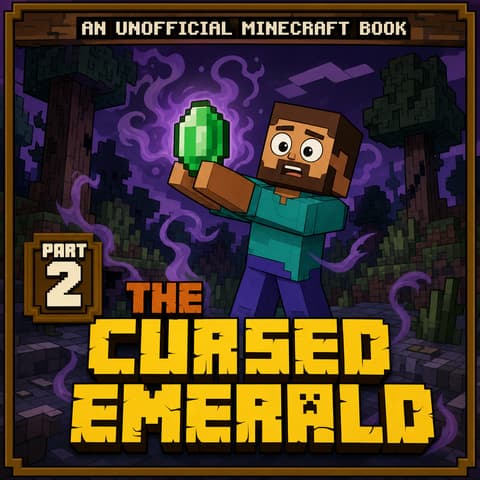
The Cursed Emerald Part 2
Steve has a shiny red gem - but something is very strange about it. Why do the villagers back away when he holds it up? Why does the cat freeze solid right at his knee? Steve only wanted a hot lunch, but this little green stone might be more trouble than any rumbling belly is worth. What will Steve do when he finds out the truth? This decodable reader practises VC/CVC short vowels with words like ‘hid,’ ‘ran,’ ‘cat,’ and ‘sat.’
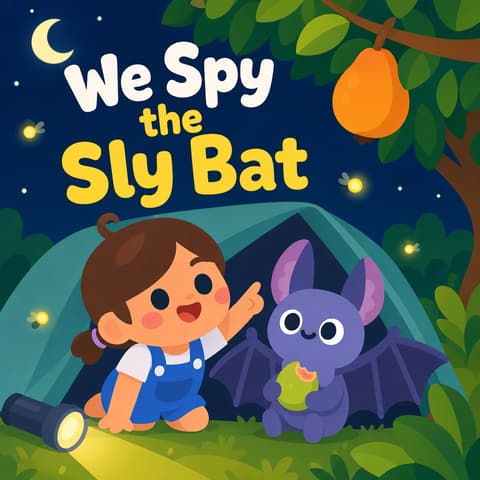
We Spy the Sly Bat
Someone has taken a huge bite out of the ripest guava on the tree - but who? Kina and Kale are on the case! Was it a caterpillar, a grasshopper, or maybe even the chicken? When every guess turns out wrong, the brave detectives decide to camp by the tree and wait. Could the sneaky biter only come out at night? This decodable reader builds confidence with open syllables, featuring words like ‘we,’ ‘go,’ ‘my,’ ‘fly,’ and ‘shy.’
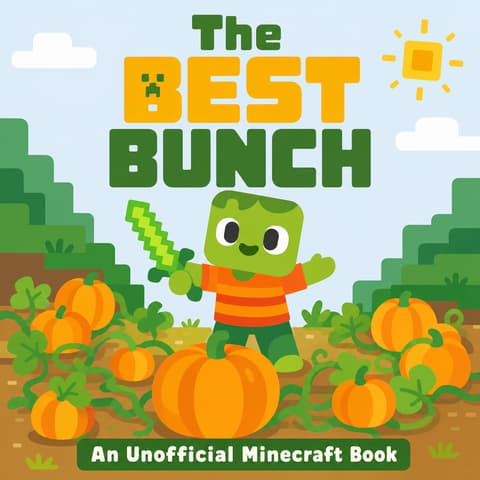
The Best Bunch
Zom has grown the biggest, best bunch of pumpkins ever, and he can’t wait to bake them into wonderful cakes. But one morning, a pumpkin is gone! The next day, two more vanish without a trace. Who - or what - is sneaking into the patch at night? Can Zom stay awake long enough to catch the mystery thief in the act? This decodable reader practises the ‘ch’ sound in words such as ‘bunch,’ ‘catch,’ ‘chin,’ and ‘witch.’
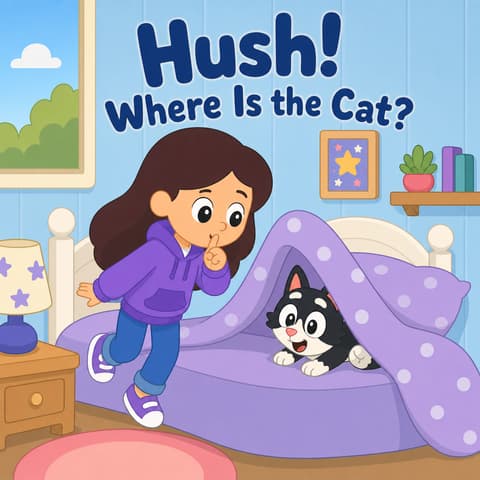
Hush! Where Is the Cat?
Kit the cat has vanished from her pillow, leaving only a tiny dent and one white whisker behind! Where could she be hiding? Is she curled up in the big blue pot, tucked high on the cupboard, or giggling somewhere just out of sight? Follow along as one very worried kid hunts high, low, and everywhere in between to track down a sneaky little cat. This decodable reader practises the ‘sh’ sound in words like ‘shake,’ ‘shove,’ ‘bush,’ ‘dash,’ and ‘hush.’
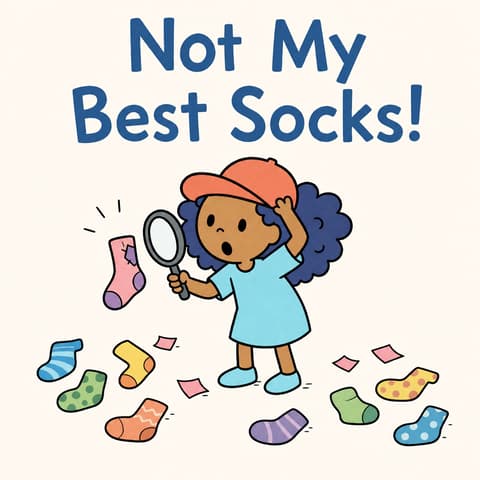
Not My Best Socks!
Kate’s best socks are GONE! Vanished from their special little box without a trace. Who would take them? And what is that trail of pink scraps leading to Mum’s sewing room? Armed with her looking glass and two mismatched socks, Kate sets off to crack the case of her missing favourites. But when she bangs on Mum’s door, the surprise waiting inside is not at all what she expected! This decodable reader practises the ‘wh’ sound in words like ‘what,’ ‘when,’ ‘where,’ ‘whew,’ and ‘which.’
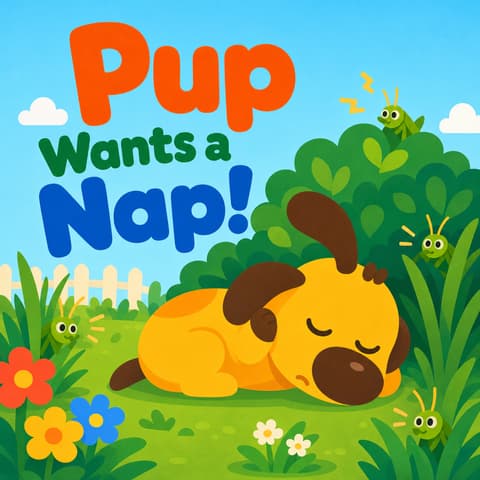
Pup Wants a Nap!
Poor Pup just wants a nap in his cosy shrub - but what is that noise? CHIRP! CHIRP! CHIRP! Is it Trunk with his big, silly mouth? Is it Spike, all puffed up and prickly? Could the birds up in the tree be the chirpy culprits? Pup hunts high and low through the mud and bushes, sniffing for clues. Will he ever find the mystery chirper and catch some sleep? This decodable reader practises short u with j, v, y in words like ‘mud,’ ‘pup,’ ‘hunts,’ and ‘yelp.’
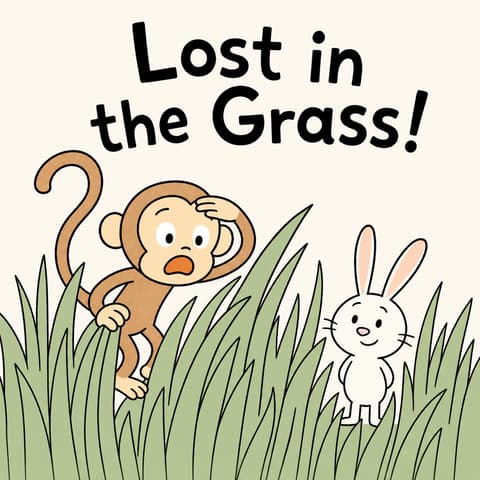
Lost in the Grass!
When Monkey wakes up with a rumbly tummy and a big plan for a banana breakfast, he gets the shock of his life - his bananas are GONE! Who could the sneaky thief be? Was it the little bee? The hissy snake? And who is that plump rabbit sitting on the grass with a suspicious yellow pile? Can Monkey solve the mystery before his tummy grumbles right off the tree? This decodable reader practises CCVC/CCVCC blends in words like ‘grins,’ ‘stomps,’ ‘plump,’ and ‘grass.’
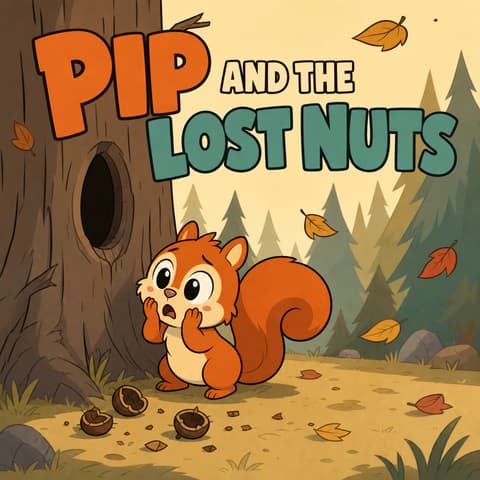
Pip and the Lost Nuts
Pip the squirrel has stashed forty-nine nuts all over Butternut Hill, ready for winter - but when she checks her secret spots, every single nut has vanished! Who would take them? The buzzing bees? A sneaky fly? Her kind friend Liz? Pip is determined to solve the mystery, even if it means tumbling out of a tree or two along the way. Could the answer be hiding somewhere she never thought to look? This decodable reader practises silent e words such as ‘hive,’ ‘chase,’ ‘dome,’ and ‘smile.’

Was It Just A Vast Gust?
Dr Can Do has built the greatest windmill ever - but by sunrise, it’s nothing but a heap of splintered planks and torn sails! Who could have wrecked his masterpiece overnight? With no storm in sight and every fence still standing, something very strange is afoot. Will Dr Can Do and Jill catch the culprit before the next vast gust blows through? This decodable reader practises short u with j, v, y in words like ‘just,’ ‘junk,’ ‘jigs,’ ‘vast,’ and ‘gust.’
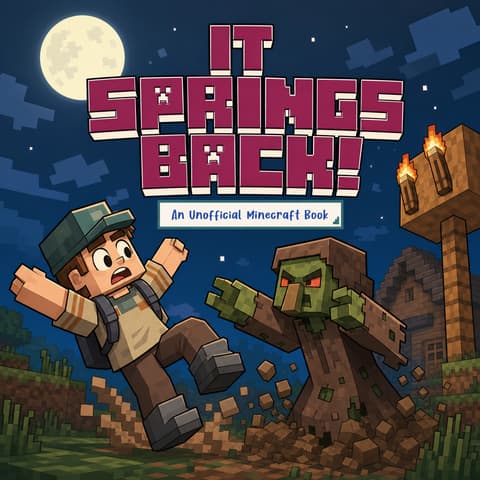
It Springs Back!
The bravest explorer in the whole world has walked through dark caves and crossed rivers at night - so why is this quiet village under the full moon making their legs wobble? The jack-o-lanterns glow, the huts stand empty, and a see-through cat is watching every step. Where did all the villagers go, and what rises up when the rain comes hammering down? This decodable reader practises the ’ng’ sound in words like ’long,’ ‘sing,’ ‘strong,’ and ’twang.’
Frequently Asked Questions
How do mystery books build comprehension skills in 1st graders?
Mystery books for 1st graders require children to follow clues, make predictions, and connect story details, which are the same inferencing skills that strong readers use. Springer (2022) found that narrative engagement deepens comprehension by encouraging readers to build mental models of the story. Bookbot’s mystery picture books for first grade pair this engaging story structure with decodable text, so 1st graders can focus on solving the mystery rather than struggling with words beyond their phonics level.
Are mystery stories for 5 year olds too suspenseful for beginning readers?
Mystery stories for 5 year olds on Bookbot use gentle suspense, such as finding a missing object or figuring out who left a surprise, rather than anything frightening. This light suspense keeps children motivated to read to the end, which builds stamina and fluency. Snow, Burns and Griffin (1998) emphasise that sustained, enjoyable reading practice is critical in the early grades. Browse mystery books on the Bookbot website, with many titles free to read online. Select titles also include read-aloud features.
Why are mystery books effective for 1st graders who resist reading practice?
Mystery books for beginning readers create a built-in reward: the child wants to discover the answer. This intrinsic motivation is particularly powerful for children who otherwise avoid reading. Research on narrative absorption (2022) shows that being ’transported’ into a story increases engagement and recall. Bookbot offers mystery books for 1st graders on the website, with many titles free to read so families can find stories that work best. For more tips, see our guide on reluctant readers.
How do Bookbot's mystery books align with 1st grade phonics skills?
Bookbot’s mystery books for 1st graders follow a structured scope and sequence that matches each story to specific phonics patterns, from CVC words through consonant blends and digraphs. This means children at the ‘initial reading and decoding’ stage described by Chall (1983) can enjoy a real mystery plot without encountering words they have no strategy to read. Parents can browse and select the right level on the Bookbot website.