


Free Friendship Books for Kids
We believe every child deserves free access to quality reading materials that nurture a lifelong love of learning. Our friendship books celebrate the joy of making and keeping friends for young readers ages 5-9, featuring stories about kindness, loyalty, and the special bonds between friends.
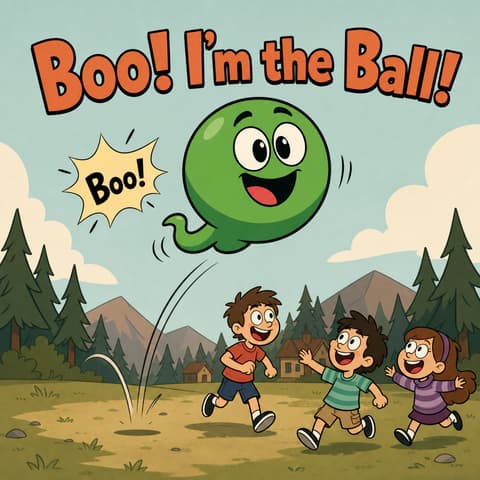
Boo! I'm the Ball!
Meet Gad, the friendliest ghost in the forest! He’s spent ages floating all alone, watching grumpy ghouls jump out and scare people just for fun. But Gad doesn’t want to scare anyone - he wants to play! So when he spots a group of kids at the park, he zooms down to say hello. Will they run away screaming, or could Gad finally find the best friends he’s been dreaming of? This decodable reader practises the gh phonogram in words like ‘ghost,’ ‘ghostly,’ ‘ghosts,’ and ‘ghouls.’
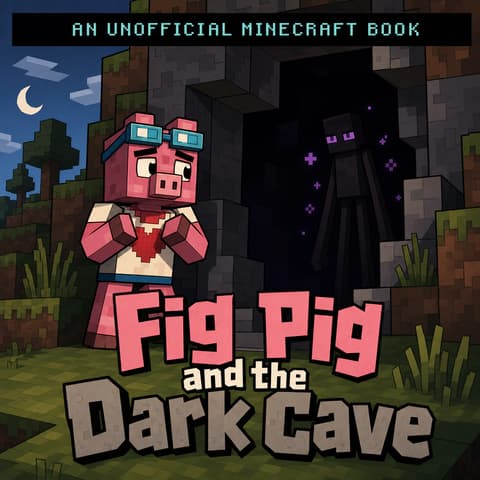
Fig Pig and the Dark Cave
When a tall, purple-eyed Enderman appears at Fig Pig’s window in the dead of night, he can’t stop wondering: why is it so angry? Why do Endermen steal blocks, and where do they take them? With his friend Player at his side, Fig Pig tiptoes into a shadowy cave to uncover the truth behind the screams - but what will he find lurking in the dark? This decodable reader practises VC/CV syllables in words like ‘common,’ ‘hidden,’ ‘follow,’ and ‘sudden.’
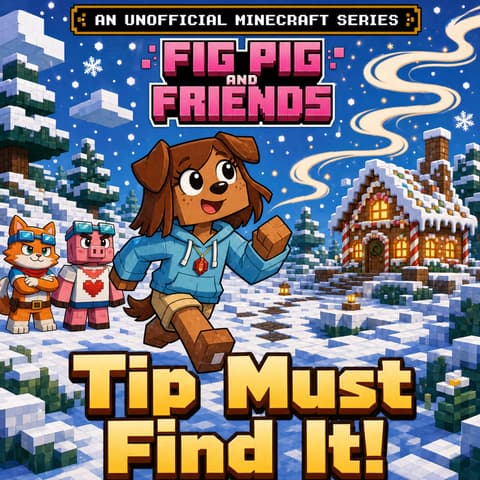
Tip Must Find It!
Tip’s nose wakes her up one snowy morning, and something in the air smells wild and new! But wait - is that a sweeter scent drifting past the snowman? Warm, spicy, and absolutely delicious? Tip simply must find out where it’s coming from! Can her twitchy nose lead her to the mystery treat? And why is Brat Cat grinning like she knows a secret? This decodable reader practises open syllables in words such as ‘by,’ ‘go,’ ‘he,’ ‘my,’ and ‘she.’
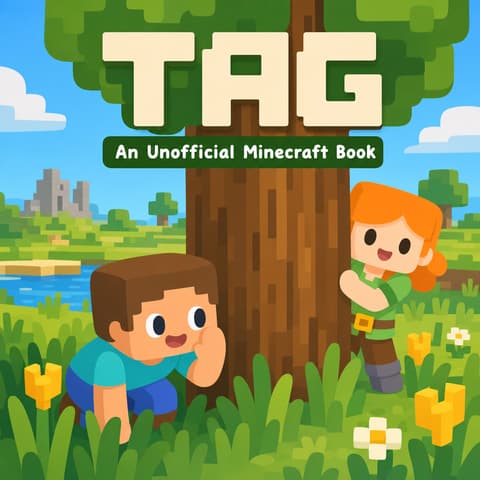
Tag
Steve is it, and Alex has vanished into a wide-open plains biome full of tall grass, old ruins, and a giant tree perfect for hiding behind. Can the self-proclaimed greatest seeker ever sniff her out? So far he has found a waggy dog, a grumpy cat, and a chicken stuck in a hole - but no Alex. Will Steve spot her before she sneaks to a new hiding spot? This decodable reader practises vowel team syllables in words like ‘being,’ ‘biome,’ ‘creates,’ and ‘quiet.’
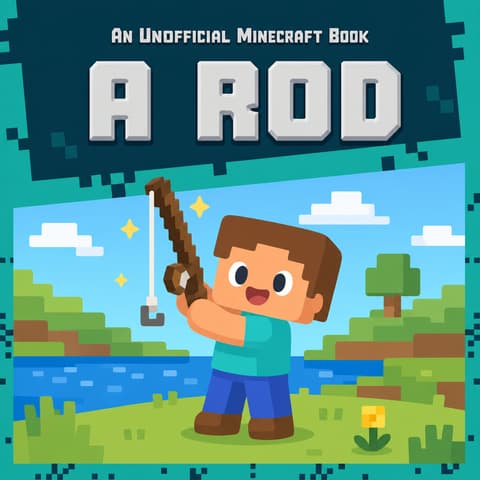
A Rod
Alex has a shiny new fishing rod and she’s already racing for the water - but poor Steve doesn’t have one! Can he scrounge up sticks and string before Alex hauls in every fish in the sea? And when his search turns up two sad, broken rods instead of crafting bits, is his fishing day sunk for good? Dive in and find out! This decodable reader practises 2-syllable open words such as ‘before,’ ‘begins,’ ‘open,’ ‘over,’ and ’taken.’
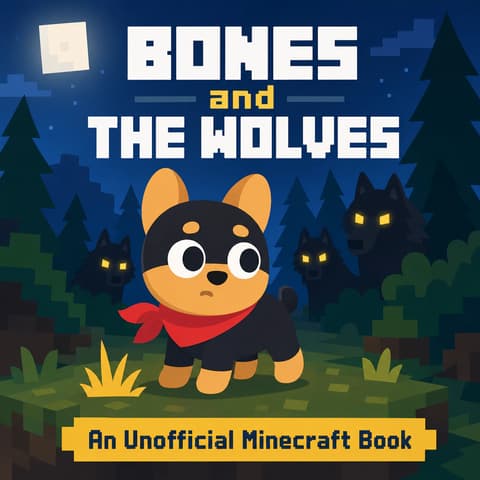
Bones and the Wolves
When a terrible storm hits at nightfall, Bones the hunting dog bolts from Skel’s side and vanishes into the dark hills. Deep in the woods, lost and hungry, he meets a wolf pack with pale, steady eyes - and starts to run wild with them. But can a dog who has forgotten his home ever find his way back to the friend who loves him? This decodable reader practises compound words such as ’nightfall,’ ‘hillside,’ ‘daybreak,’ ‘sunset,’ and ‘pathway.’
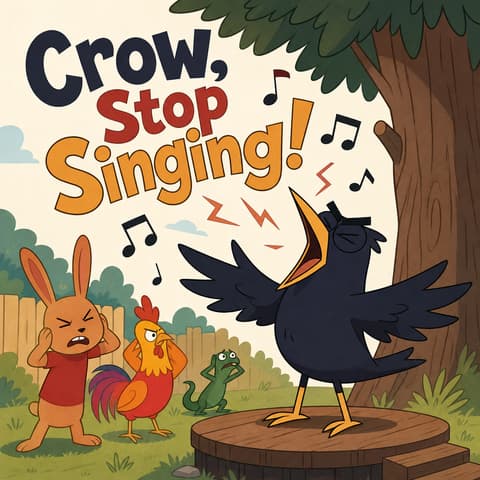
Crow, Stop Singing!
Crow has been flying since daybreak, and he has one big dream: to find friends and wow them with his amazing singing voice. But when he opens his beak, his song sounds more like a firetruck siren than a sweet tune! The animals run for it. Can Crow find a way to share his music without scaring everyone off? This decodable reader practises compound words such as ‘daybreak,’ ‘backyard,’ ‘drumsticks,’ and ‘rooftop.’
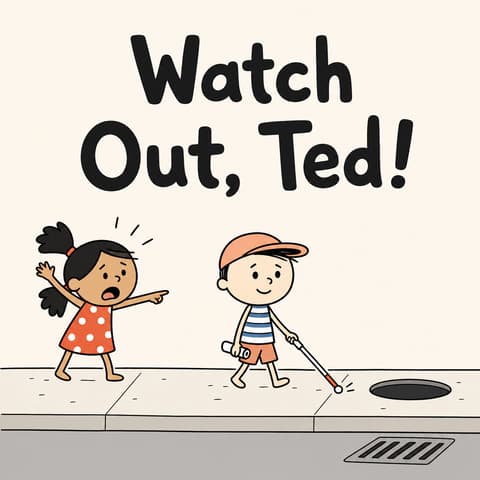
Watch Out, Ted!
Ted is heading to Ava’s birthday party, and he knows every step of the way - even though he cannot see. But when his neighbour Kim follows closely behind, worrying about every puddle and barking dog, can Ted show her that smells, sounds, and a trusty cane are all he needs? How does he find his way so boldly? Step along and find out! This decodable reader practises suffixes in words such as ‘boldly,’ ‘calmly,’ ‘proudly,’ ‘friendship,’ and ‘roughness.’
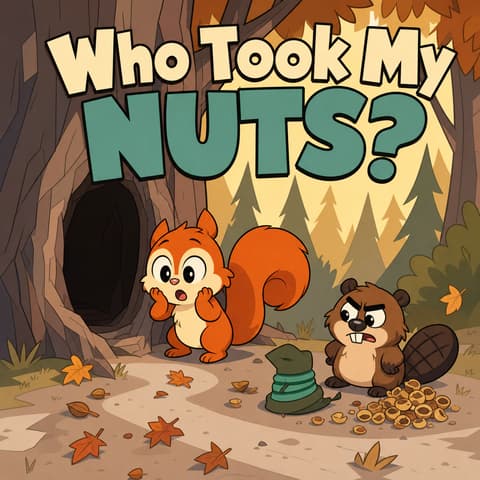
Who Took My Nuts?
Pip the squirrel has tucked away forty-nine nuts for winter - but when she checks her secret stash, every single nut has vanished! Who could have taken them? The bluebird says no. The bees say no. Even a passing fly won’t help. Can Pip’s friend Liz help her work out what really happened before the first snowfall arrives? This decodable reader practises compound words such as ‘armchair,’ ‘beehive,’ ‘snowfall,’ ‘weekday,’ and ‘woodwork.’
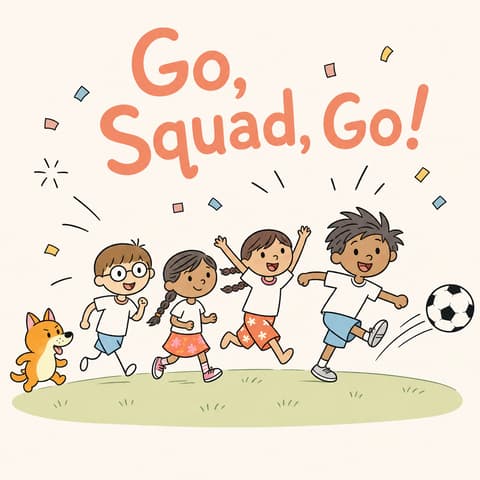
Go, Squad, Go!
Meet the squad - five kids, one dog, and zero chance of losing! At least, that’s what they tell everyone before the big championship match. But when the other team’s bus pulls up and out steps the biggest, tallest, most serious-looking squad ever, can our heroes really back up their big talk? With a speedy runner, a tricky dribbler, and a header who practises every lunchtime, this team has skills - but will teamwork be enough? This decodable reader practises es plurals in words like ‘dashes,’ ‘rushes,’ ‘catches,’ and ‘matches.’
Frequently Asked Questions
How do friendship stories support both social and reading development?
Friendship stories support social and reading development simultaneously because emotionally engaging content motivates children to read more, while the themes of empathy, cooperation, and kindness build social understanding. Li et al. (2025) found that stories with relatable social themes improve children’s engagement and comprehension. Stanovich (1986) further showed that motivated, frequent reading accelerates vocabulary and fluency growth. On Bookbot, free friendship books for kids are written as decodable readers so children develop phonics skills through stories about making and keeping friends.
Can I download free friendship books from Bookbot as PDFs?
Yes. Bookbot’s free friendship books for kids can be read online on the website, and many also include downloadable PDFs or read-aloud narration. These features are especially helpful for shared reading at home or in the classroom. Research by Takacs and Bus (2020) found that multimedia reading features like highlighted text support vocabulary and comprehension gains. Each friendship book follows a structured phonics scope and sequence.
Are friendship books a good choice for children starting to read independently?
Friendship books are an excellent choice for new independent readers because the relatable themes provide strong motivation to persist through challenging text. Scarborough’s (2001) Reading Rope model shows that motivation and language comprehension work together with decoding to produce skilled reading. When children care about what happens between characters, they are more likely to keep reading even when individual words require effort. Bookbot’s free friendship picture books start at the earliest phonics levels and progress systematically, so children building independence can always find a friendship story at the right difficulty.
How can parents use friendship books to encourage a love of reading?
Parents can use friendship books to encourage a love of reading by connecting story themes to a child’s own social experiences, asking questions like ‘Have you ever felt that way?’ or ‘What would you do?’ This kind of conversational reading builds both comprehension and emotional engagement. Wang (2025) found that parent-child reading interactions around meaningful content strengthen motivation and literacy outcomes. Our guide on laying the foundations for a love of reading offers more strategies for making reading time enjoyable and effective.