


Children's Books for 2nd Graders
We believe every child deserves access to quality reading materials that nurture a lifelong love of learning. Find kids books online designed for 2nd graders ages 6-7. Our children’s books feature digraphs, syllable patterns, and longer stories. Explore picture books, storybooks, and read aloud stories that build fluency for second grade readers.
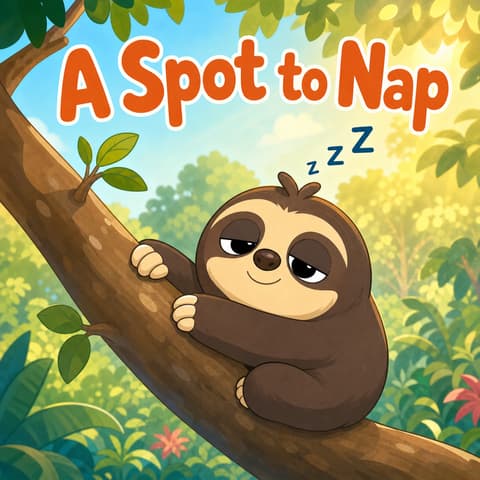
A Spot to Nap
Sloth is so tired his eyeballs feel like bowling balls, and all he wants is the perfect spot for a nap. But will the low branches be safe from a hungry giraffe? What about the buzzing bees, the grumpy snake, or that very loud bird? Can a sleepy sloth ever find somewhere quiet to curl up? This decodable reader practises VC/CV syllables through words like ‘perfect,’ ‘sudden,’ ‘problem,’ ‘hunker,’ and ‘bitten.’
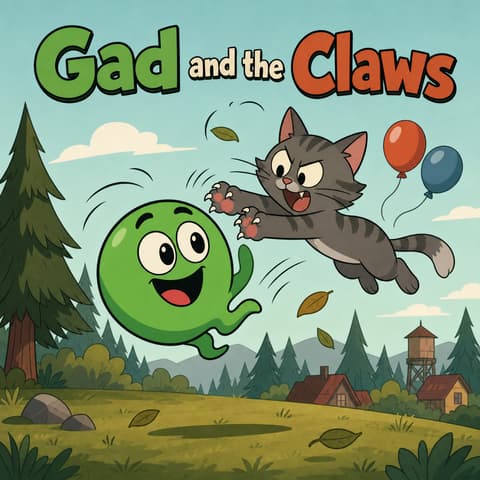
Gad and the Claws
Meet Gad, the friendliest ghost in the forest - but nobody wants to play with him! Can a lonely ghost find friends when everyone takes one look at his green skin and runs away screaming? Gad tries hiding in coconuts, floating with balloons, and dodging a very sharp-clawed cat. Will the kids ever stop being scared long enough to see how funny he really is? This decodable reader practises the aw/au phonogram in words like ‘yawn,’ ‘claws,’ ‘pause,’ and ‘haunt.’
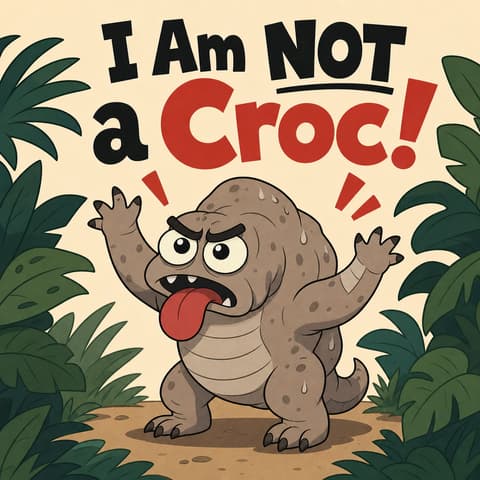
I Am NOT a Croc!
Goya is a proud Komodo dragon having the worst day ever. A storm has swept him far from his warm jungle rock, through a smelly drain, and straight into a schoolyard full of kids with brooms. Why are they screaming “CROCODILE!” at him? And how will a tired, grumpy lizard ever find his way back home? Join Goya on a muddy, mixed-up adventure! This decodable reader practises the ’ew’ phonogram in words like ‘blew,’ ‘flew,’ ‘knew,’ ’new,’ and ‘view.’
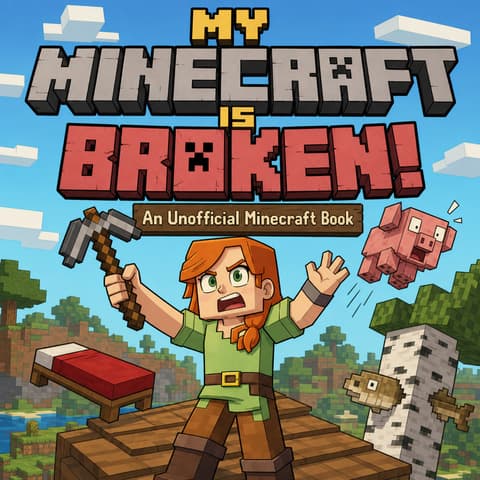
My Minecraft Is Broken!
All I wanted was a perfectly normal afternoon - finish my house, go mining, find some diamonds. Easy, right? So why is there a bed on my roof, a pig in my cave, and a fish stuck inside a tree? Something is absolutely, totally, ridiculously wrong with my Minecraft world today, and nobody seems to know how to fix it. Can I survive until tomorrow? This decodable reader practises 3+ syllable words such as ‘afternoon,’ ‘congratulations,’ ’enormous,’ and ‘ridiculous.’
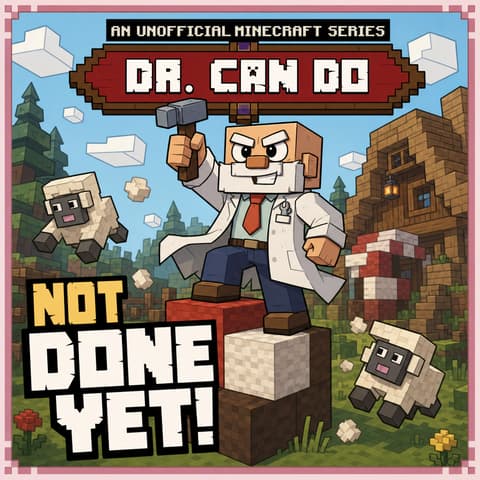
Not Done Yet!
Dr. Can Do is never, ever finished! His cottage has a cosy wool rug, but shouldn’t EVERY home have one too? Off he dashes to the sheep pen, then to build a clever tool, then a grand new shop made of wood - but can one busy inventor really do it all on his own? And when the work is done, will he finally rest? This decodable reader practises the ‘oo’ phonogram in words like ‘wool,’ ‘good,’ ‘zoom,’ ’nook,’ and ‘boom.’
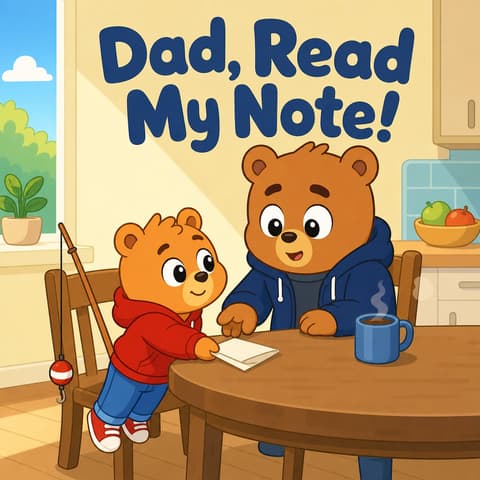
Dad, Read My Note!
Can one little note change everything? When Dad works so hard he falls asleep before he can even pick up his fishing rod, one determined kid decides it’s time for a plan. With a piece of paper and a few brave words, could a simple note finally bring Dad and his rod outside? And what surprises wait along the path through the green fields? This decodable reader practises the ‘ie’ phonogram in words like ‘brief,’ ‘piece,’ ‘fields,’ ‘cries,’ and ‘spied.’
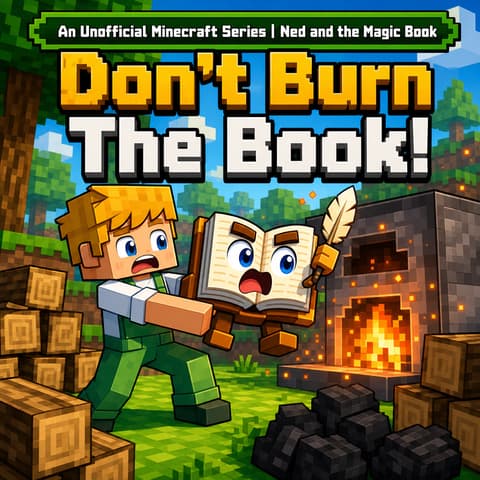
Don't Burn The Book!
Ned the maker is running low on coal, and the caves are far too dangerous to explore. Luckily, his friendly book-shaped helper has a clever idea: why not grow a whole forest of your very own? But can Ned really turn trees into fuel, and will bone meal truly make saplings shoot up in seconds? Join Ned as he digs, plants, and chops his way to a brilliant plan! This decodable reader practises suffixes in words like ‘boldly,’ ‘farmer,’ ’taller,’ and ‘hopeful.’
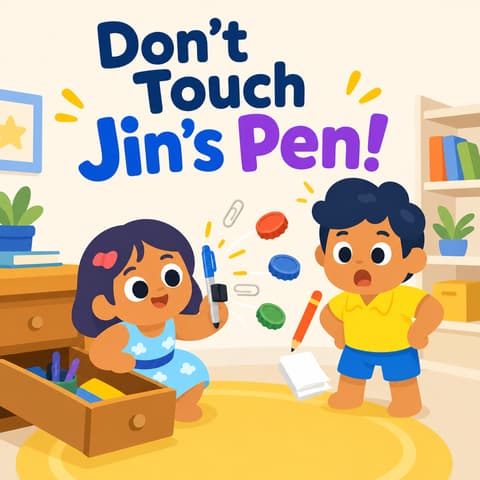
Don't Touch Jin's Pen!
Jin’s shiny ink pen is strictly off-limits - the sign on his desk says so! But when Rin sneaks into his drawer one quiet afternoon, she finds a mysterious little black block that makes paper clips leap through the air. What could it possibly be? And when Jin’s precious pen rolls somewhere it absolutely shouldn’t, can Rin’s clever discovery save the day? This decodable reader practises 3+ syllable words such as ‘afternoon,’ ‘mysterious,’ ‘caterpillar,’ and ‘discovery.’
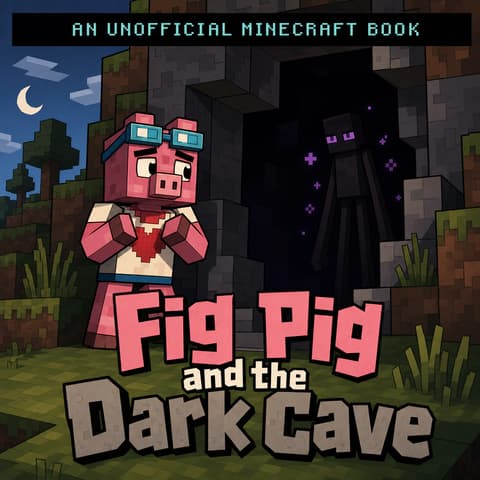
Fig Pig and the Dark Cave
When a tall, purple-eyed Enderman appears at Fig Pig’s window in the dead of night, he can’t stop wondering: why is it so angry? Why do Endermen steal blocks, and where do they take them? With his friend Player at his side, Fig Pig tiptoes into a shadowy cave to uncover the truth behind the screams - but what will he find lurking in the dark? This decodable reader practises VC/CV syllables in words like ‘common,’ ‘hidden,’ ‘follow,’ and ‘sudden.’
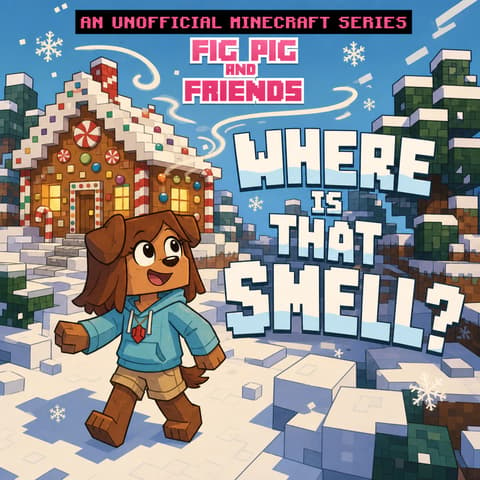
Where Is That Smell?
Tip’s nose wakes her up with a smell she has never sniffed before - cold, clean, and wild. What is falling from the sky? And later, when a warm, spicy scent drifts past her twitching nose, where on earth is it coming from? With Brat Cat acting very suspiciously and Fig Pig busy with the lights, Tip follows her nose on a snowy Christmas adventure. This decodable reader practises the ’ew’ phonogram in words like ’new,’ ‘crew,’ ‘grew,’ ‘knew,’ and ‘stew.’
Frequently Asked Questions
What should a 2nd grader be reading?
By second grade, most children are moving from ’learning to read’ toward ‘reading to learn’ — what Jeanne Chall’s Stages of Reading Development (1983) calls the ‘confirmation and fluency’ stage. They should be practising with texts that include digraphs, vowel teams, r-controlled vowels, and multi-syllable words while building speed and expression. Our scope and sequence shows how these skills are organised.
How do decodable books help 2nd graders build fluency?
Decodable books give 2nd graders practice with words they can genuinely sound out, which builds the automatic word recognition that underlies fluent reading. A meta-analysis by Ehri et al. (2001) found that systematic phonics instruction produces significant reading gains through sixth grade — and decodable books are the bridge between phonics lessons and real reading. Learn more about what decodable books are.
Are these 2nd grade books free?
Many books are available on the Bookbot website, with a number of titles free to read online. Select books also offer PDF downloads or read-aloud features with word-by-word highlighting.
How do I choose the right reading level for my 2nd grader?
Listen to your child read aloud — if they can decode most words accurately but still encounter a few that require effort, the level is about right. Stanovich (1986) showed that children who read at the right level of challenge develop vocabulary and comprehension faster than those reading material that is too easy or too hard. You can filter by grade and reading level to narrow down the options.
What topics are available for 2nd grade readers?
The collection includes stories across adventure, animals, science, fantasy, friendship, sports, and many more topics. Offering a variety of subjects is important because children read more when the content interests them — see our tips on engaging reluctant readers for more strategies.