


Science Books for 1st Graders
We’re passionate about ensuring literacy is accessible to every child, as it is essential for a happy, successful life. Discover fascinating science books for 1st graders ages 5-6. Our children’s books feature experiments, discoveries, and how things work perfect for beginning readers. These picture books and storybooks build reading confidence through scientific exploration.
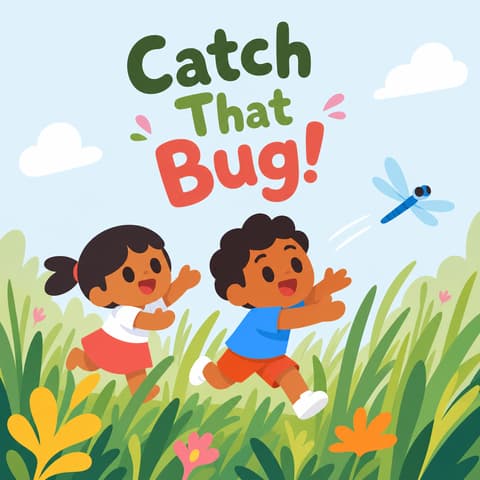
Catch That Bug!
Have you ever tried to catch the fastest bug in the playground? When the teacher sets a bug-catching task, two friends pick the trickiest target of all - a dazzling dragonfly that zips, darts, and dodges every grab. Can leaves, a spider’s web, and a whole lot of teamwork outsmart a bug that seems to read minds? This decodable reader practices the ‘ch’ sound in words like ‘catch,’ ‘chase,’ ‘branch,’ and ‘snatch.’
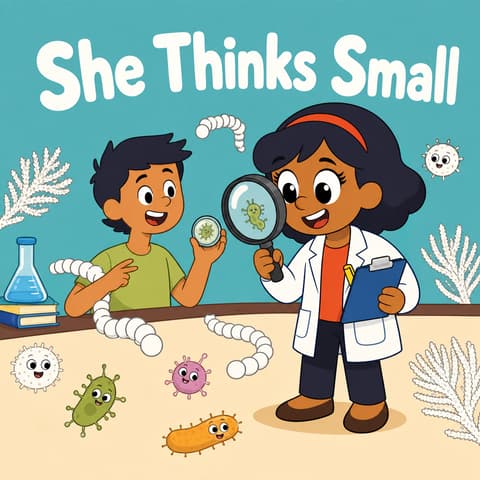
She Thinks Small
Zara has one big dream: to discover a brand new microbe that nobody has ever seen before. But where do you start hunting for something so tiny? When a stinky smell drifts out of the lab fridge, Zara’s super-powered nose gets to work. Could this gross, fuzzy fruit really be hiding a scientific treasure? Join Zara as she sniffs, tests, and investigates. This decodable reader practises the th phonogram in words like ’that,’ ’then,’ ’these,’ and ’thinks.'
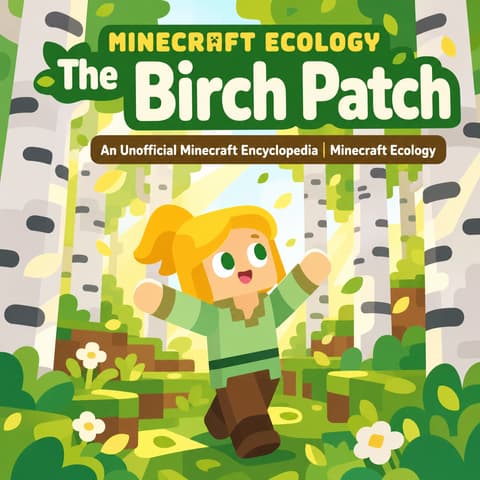
The Birch Patch
Have you ever stood beneath a tall birch tree and felt the cool shade on your face? Step into the forests of Minecraft, where each patch of trees holds charm, chill, and surprise! Why do players chop so much wood in their very first minutes? What hides behind the trunks of a dark oak forest, waiting to make you flinch? Grab your axe and reach for adventure! This decodable reader practices the ‘ch’ sound in words like ‘birch,’ ‘chop,’ ‘chunk,’ and ‘patch.’
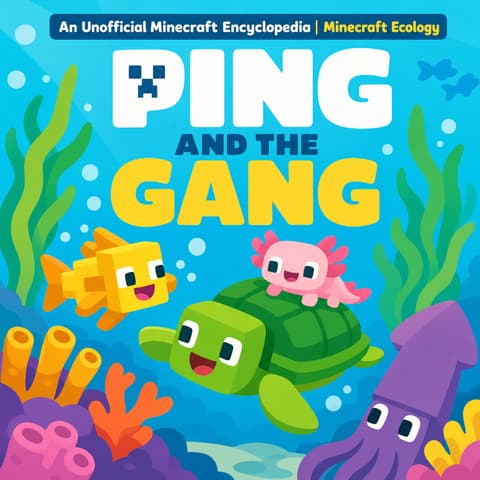
Ping and the Gang
Dive beneath the waves with Ping the fish! From warm, sunny reefs where pink things cling to the rocks, to icy seas where cod and squid hang on in the deep, the Minecraft ocean is full of wonder. But what happens when junk starts to wreck the sea? Can Ping, Tang, and their gang help life spring back to all things? This decodable reader practices the ’ng’ sound in words like ‘cling,’ ‘spring,’ ‘strong,’ and ‘brings.’
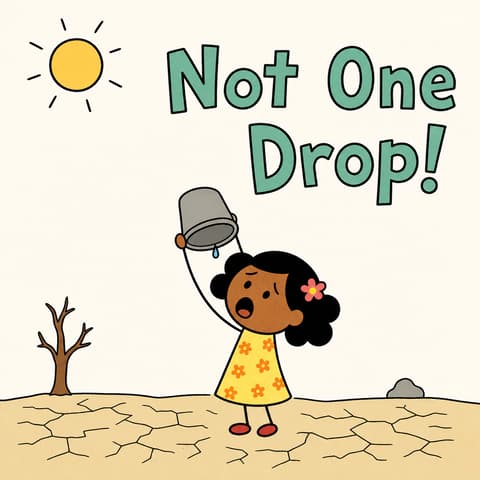
Not One Drop!
Girl is thirsty - the thirstiest she has ever been! But when she grabs her pail, only one tiny drop falls out. Where has all the water gone? The pump is dry, the tank is empty, and even the river has nothing left to give. Will Girl find a drink before she gives up? And why won’t that one little cloud do its job? This decodable reader focuses on the ‘wh’ sound in words like ‘what,’ ‘when,’ ‘where,’ and ‘while.’
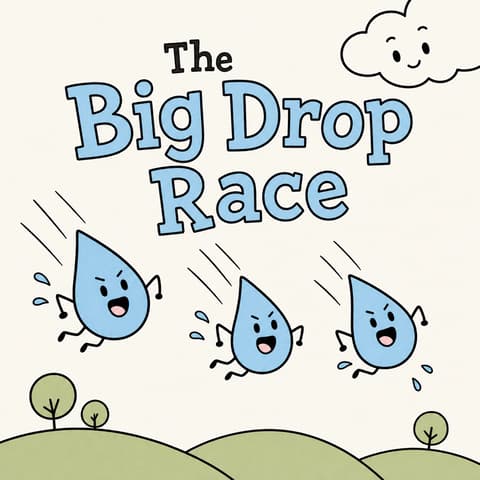
The Big Drop Race
High up in the sky, thousands of tiny raindrops are jostling at the edge of a grumpy cloud, ready for the wildest race ever. Who will splash down first? Who will reach the sea? And what happens when the hot sun starts to shine on the winners? Tumble down hills, rush through rivers, and discover a surprise twist that turns the whole race upside down! This decodable reader practises the ’th’ sound in words like ’thick,’ ’thin,’ ’thud,’ and ’through.'
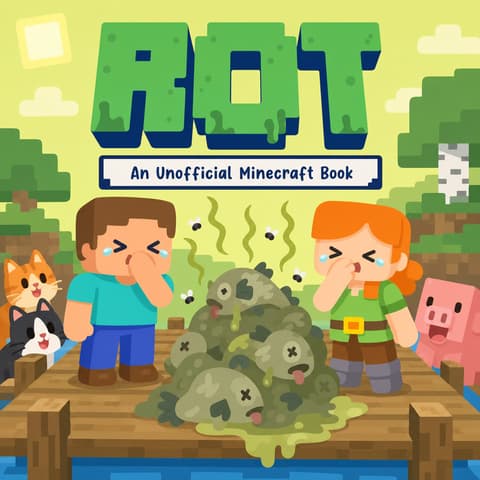
Rot
Steve and Alex catch WAY too much cod - and then make some truly terrible choices about what to do with the leftovers. What happens when fish is left to go bad? Why are cats suddenly swarming the yard, and what giant creature is snuffling around in the cave? Can two friends fix a stinky, slimy, oozy mess before the whole farm turns into an animal party? This decodable reader practises the ng phonogram in words like ‘bring,’ ‘cling,’ ‘strong,’ and ‘song.’
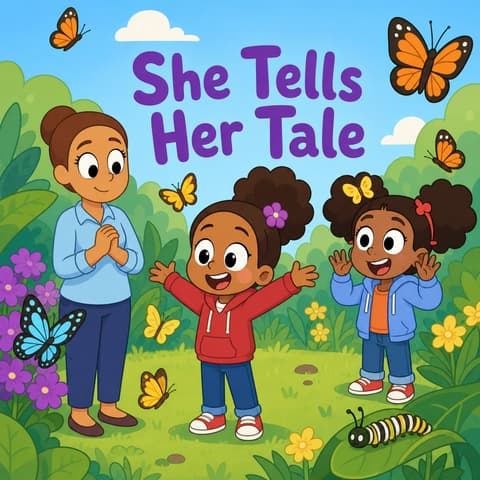
She Tells Her Tale
Diya knows more about butterflies than anyone in her school - but she’s far too shy to say a word. Then, on a class trip to the park, a fat striped caterpillar inches right past her feet, and fourteen facts bubble up to the tip of her tongue. Could one tiny creature help Diya finally find her voice? This decodable reader practises silent e words like ‘smile,’ ‘glide,’ ‘gaze,’ and ’tale.’
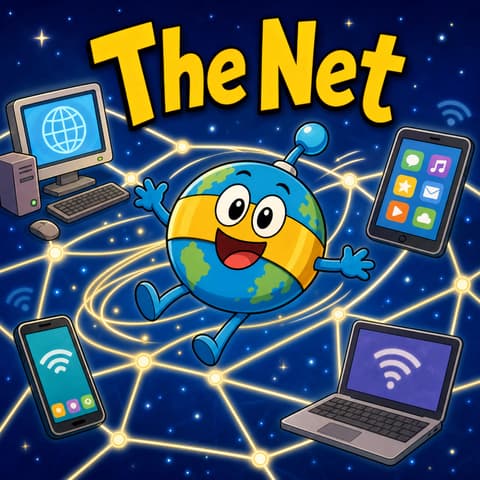
The Net
Meet Internet Mascot - a bouncy little globe with googly eyes who zips around the world on silvery web strands! Have you ever wondered how a silly cat video can travel across the planet in just one second? From dancing to music videos to cheering on a climber at the top of a snowy mountain, the internet connects us all. But how do we use it safely and kindly? This decodable reader focuses on the ’th’ sound in words like ‘both,’ ’these,’ ’through,’ and ’truth.’
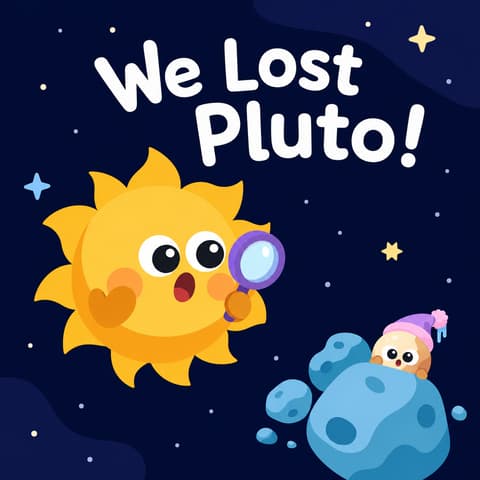
We Lost Pluto!
Has anyone seen Pluto? The Sun counts her planets and gets a shock - one is missing! Mercury is too hot, Venus can only see mist, and Earth is busy watching her humans. Why did little Pluto drift away to the cold, dark edge of everything? And can the whole solar system bring him home before he feels forgotten forever? This decodable reader practises the sh phonogram in words like ‘shook,’ ‘shrugs,’ ‘shade,’ ‘hush,’ and ‘shine.’
Frequently Asked Questions
How do science books strengthen reading comprehension for 1st graders?
Science books for 1st graders build the background knowledge that Scarborough’s Reading Rope (2001) identifies as essential for skilled comprehension. When a child reads about animals, weather, or plants, they create mental frameworks that make future texts on those topics easier to understand. Bookbot’s science picture books for first grade deliver this knowledge through decodable text matched to 1st grade phonics levels, so children build content knowledge and decoding skills at the same time.
Are science books for 5 year olds appropriate for children still learning to decode?
Science books for 5 year olds on Bookbot are written with controlled vocabulary that follows a phonics-based scope and sequence, progressing from CVC words to consonant blends and digraphs. The National Reading Panel (2000) confirms that systematic phonics instruction is most effective when children can apply it in meaningful reading, and science topics like dinosaurs, space, and ocean life provide exactly that motivation. Many titles are available to read for free on the Bookbot website.
Why is it important to introduce informational science text in 1st grade?
Early exposure to informational text prepares children for the academic reading demands they will face from 3rd grade onward. Wang (2025) highlights the role that varied text exposure plays in cognitive and literacy development during early childhood. Science books for beginning readers on Bookbot introduce features like labeled diagrams and simple factual sentences, all within decodable text that first graders can read independently. For more on how decodable books work, see our parent guide.
How can parents use science picture books for first grade to spark curiosity at home?
Parents can pair a science picture book with a simple hands-on activity, such as observing insects after reading about habitats or mixing colors after reading about light. Takacs and Bus (2020) found that multimedia and interactive elements significantly enhance learning from stories. Bookbot’s science books for 1st graders are available on the website, with many titles free to read online and select titles offering word-by-word highlighted read-aloud, making it easy to weave reading into everyday discovery.