


Science Books for 2nd Graders
We’re passionate about ensuring literacy is accessible to every child, as it is essential for a happy, successful life. Discover science children’s books designed for 2nd graders ages 6-7. These discovery picture books feature experiments, fascinating concepts, and explorations of how our world works that ignite curiosity and scientific thinking.
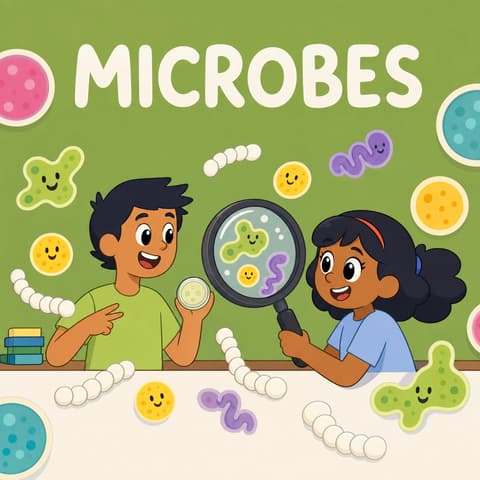
Microbes
Zara has one wild dream - to discover a brand new microbe that nobody has ever found before. When a stinky green cloud rolls out of the lab fridge, most people pinch their noses and run. But Zara? She leans in and sniffs. Could a rotten piece of fruit really be hiding a secret creature waiting to be named? This decodable reader practises 2-syllable open words such as ’tiny,’ ‘over,’ ‘data,’ and ‘going.’
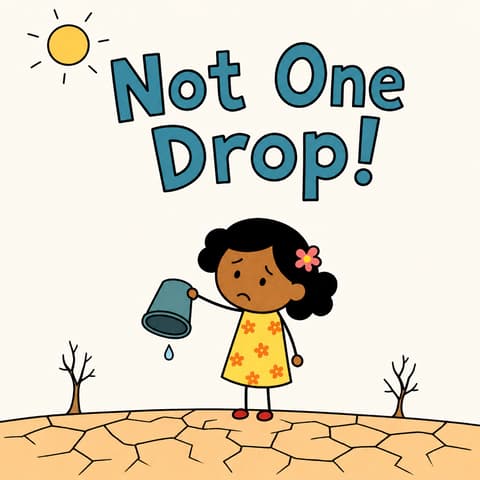
Not One Drop!
Girl is thirstier than she has ever been, and there is not one drop of water left anywhere! The pump is dry, the tank is empty, and even the creek has cracked in the sun. Will she find a sip to drink? Can a single silent cloud in the open sky really hear her shouting? A decodable reader practising 2-syllable open words like ‘baking,’ ‘open,’ ‘silent,’ ’tiny,’ and ‘water.’
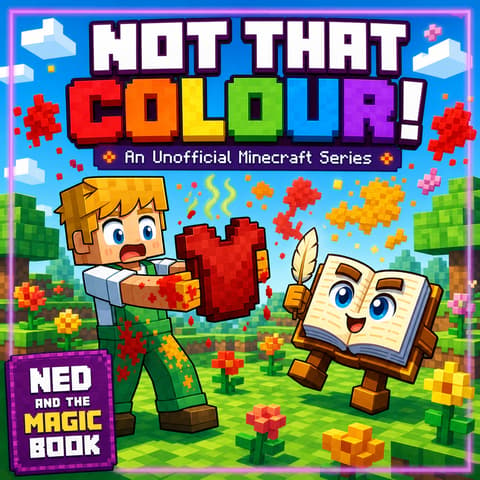
Not That Color!
Ned the farmer has a problem - his new leather armor is plain, boring brown, and he wants to look AMAZING. Can red flowers help? What about yellow ones? When Ned crushes petals into dye, something surprising happens on his workbench, and soon The Book is helping him cook up a whole rainbow of colors for his fashion show. This decodable reader practices suffixes in words like ‘farmer,’ ‘handful,’ ’lovely,’ and ‘brightly.’
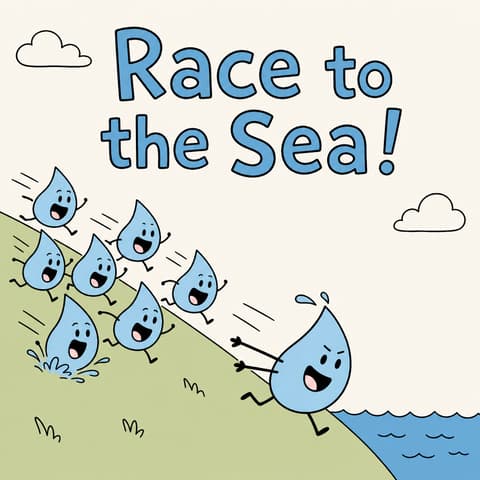
Race to the Sea!
Have you ever wondered what happens to a raindrop once it tumbles from a cloud? High above the hills, thousands of raindrops are lined up for the greatest race in the world - first one to the sea wins! But what is the prize, and does anyone actually know the rules? Tumble, splash, and roll along for a wild ride. This decodable reader practises ci/si/ti making /sh/ in words like ‘mission,’ ’location,’ ‘vacation,’ and ‘migration.’
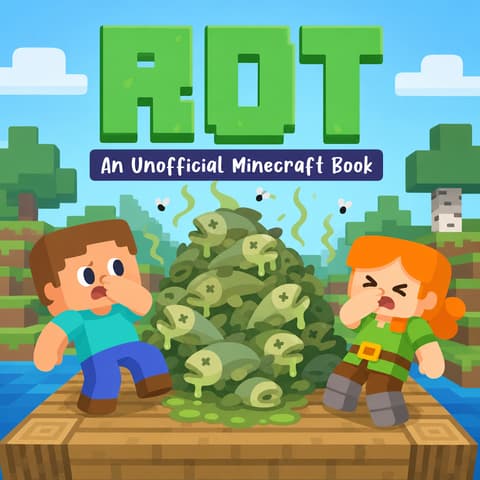
Rot
Steve and Alex caught WAY too many cod - and now a giant, stinky pile of fish is rotting on their dock! What happens when they leave food out instead of storing it properly? Can a roaring fire and a quiet cave really make the problem disappear, or will the awful whiff bring every hungry hog and curious cat running straight to their farm? This decodable reader practises vowel team syllables in words like ‘quiet,’ ‘giant,’ ‘fuel,’ ‘chaos,’ and ‘ruins.’
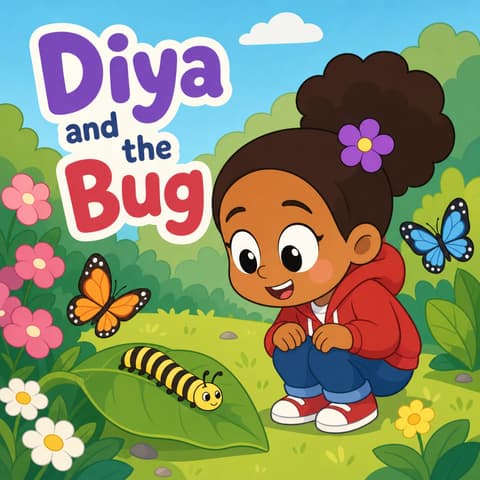
Diya and the Bug
Diya knows more about butterflies than anyone in her whole school - but she’s far too shy to say a word in class. What happens when her teacher takes the class to the park, and Diya spots a fat striped caterpillar wriggling along a leaf? Could this be the day she finally finds her voice? This decodable reader practises the le/al/el/il endings in words like ‘gentle,’ ‘sparkle,’ ‘giggle,’ ‘crumpled,’ and ‘medal.’
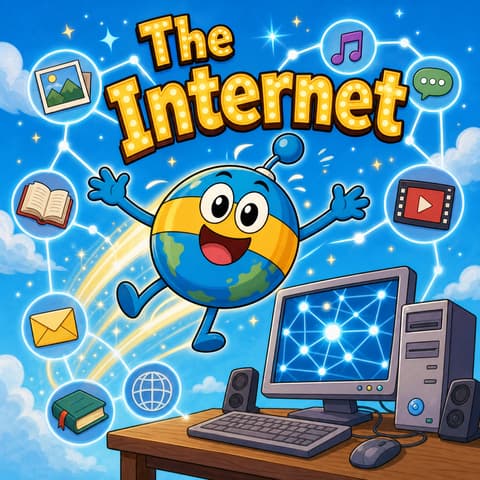
The Internet
Meet Internet Mascot, a googly-eyed globe who zips around a glowing web that wraps the whole planet! Want to know how a silly cat video can travel across the world in one second, or how a mountain-top photograph can reach every continent in minutes? From amazing animals to musical dance parties, this cheeky guide shows how to explore the web wisely - and kindly. This decodable reader practises 3+ syllable words such as ‘computer,’ ‘congratulations,’ ‘afternoon,’ and ‘incredible.’
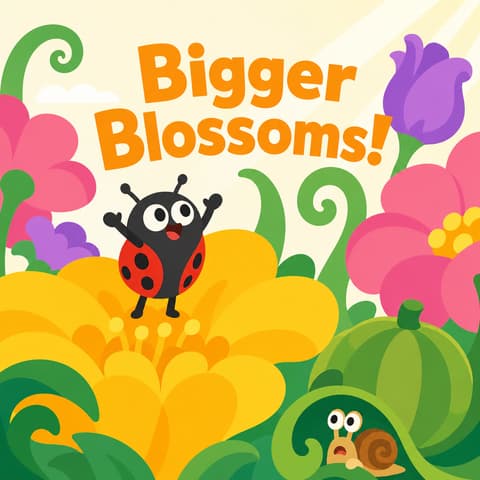
Bigger Blossoms!
Ladybug has found a teeny, tiny vine in the yard, and she is certain she can grow it into the most magnificent garden anyone has ever seen. But have you ever watched a vine climb a little too quickly? What happens when golden blossoms, fat pumpkins, and curling tendrils start wrapping around everything in sight? Snail tries to warn her, but Ladybug has big plans! This decodable reader practices suffixes in words like ‘brightly,’ ‘proudly,’ ‘quickly,’ ‘growers,’ and ’lovely.’
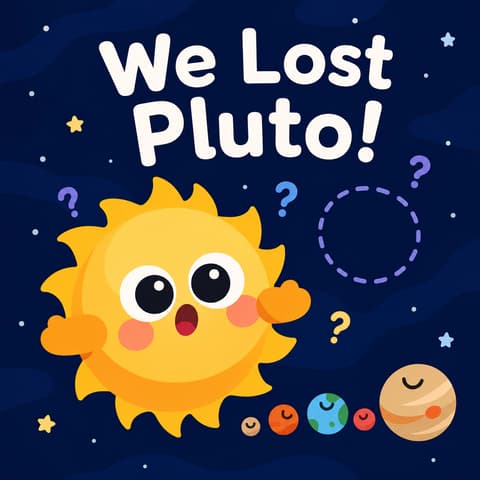
We Lost Pluto!
One morning, the Sun counts her planets and gets a terrible shock - Pluto is missing! Where could a whole planet hide? Mercury is too hot, Venus is too cloudy, and Earth is too busy watching her humans. Together, the planets set off on a long, chilly trek past the asteroid belt and beyond, searching every corner of space for their smallest friend. Will they find him way out in the frozen dark? This decodable reader practises 2-syllable open words such as ‘begin,’ ‘focus,’ ‘open,’ and ‘moment.’
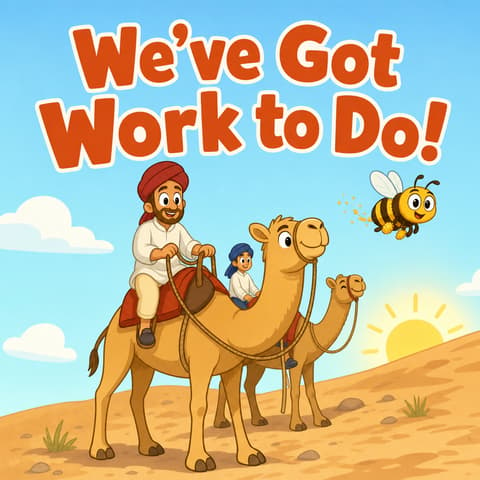
We've Got Work to Do!
Who wakes up the farm before the sun is even awake? Who guards the gate at midnight, carries tiny scrolls across the sky, or weaves a nest fit for a palace? From busy bees and humble earthworms to patient camels crossing the desert, every creature has a job to do - and some jobs are quieter than others. Can you guess which worker has the hardest job of all? This decodable reader practises 3+ syllable words such as ‘magnificent,’ ‘dependable,’ ‘remarkable,’ and ‘diligently.’
Frequently Asked Questions
How do science books strengthen reading comprehension in 2nd graders?
Science books for 2nd graders build background knowledge about the natural and physical world, which directly supports reading comprehension. Scarborough’s Reading Rope (2001) identifies background knowledge as one of the essential strands of skilled reading, and science-themed texts are one of the most effective ways to develop it at this age. On Bookbot, science picture books for second grade are leveled by phonics patterns such as vowel teams and r-controlled vowels, so children expand their understanding of the world while practicing age-appropriate decoding. For more on the reading process, see our article on how do children learn to read.
What science topics are covered in Bookbot's books for 2nd graders?
Science books for 6 year olds on Bookbot cover topics including life cycles, weather and seasons, habitats, states of matter, the solar system, and the human body, reflecting what children encounter in second grade classrooms. Snow, Burns, and Griffin (1998) emphasize that connecting literacy instruction to content areas strengthens both reading skill and subject knowledge. Browse books on the Bookbot website by grade and skill level, with many titles free to read.
Can science books help reluctant 2nd graders become better readers?
Science books for 2nd grade readers can engage children who find fiction uninteresting by offering real-world facts, experiments, and discoveries that match their curiosity. Stanovich’s (1986) Matthew Effect research shows that the more a child reads, the faster their vocabulary and fluency grow, so finding the right topic to spark interest has a lasting impact. Bookbot’s science picture books for second grade are organized by a phonics scope and sequence that ensures the reading level matches the child’s ability, and our article on reluctant readers offers further strategies for encouraging hesitant readers.
Are Bookbot's science books for 2nd graders free?
Science books for 2nd graders are available on the Bookbot website, with many titles free to read. Manu et al. (2019) found that book access is one of the strongest predictors of reading achievement, and Bookbot makes science books for 6 year olds and science books for 2nd grade readers accessible to every family.