


Science Books for Kids
We’re passionate about ensuring literacy is accessible to every child, as it is essential for a happy, successful life. This collection sparks curiosity about how the world works for readers ages 5 to 9. Each book introduces scientific concepts in accessible ways that encourage questions and wonder.
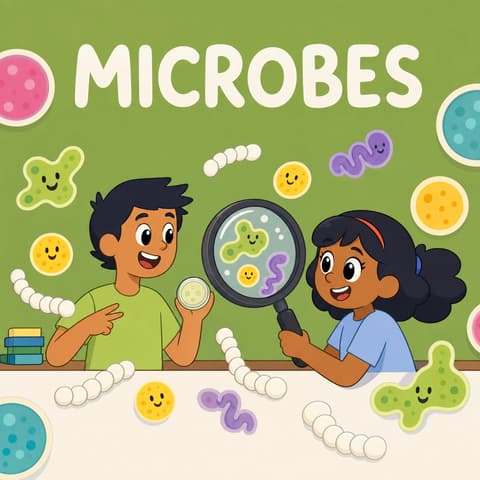
Microbes
Zara has one wild dream - to discover a brand new microbe that nobody has ever found before. When a stinky green cloud rolls out of the lab fridge, most people pinch their noses and run. But Zara? She leans in and sniffs. Could a rotten piece of fruit really be hiding a secret creature waiting to be named? This decodable reader practises 2-syllable open words such as ’tiny,’ ‘over,’ ‘data,’ and ‘going.’
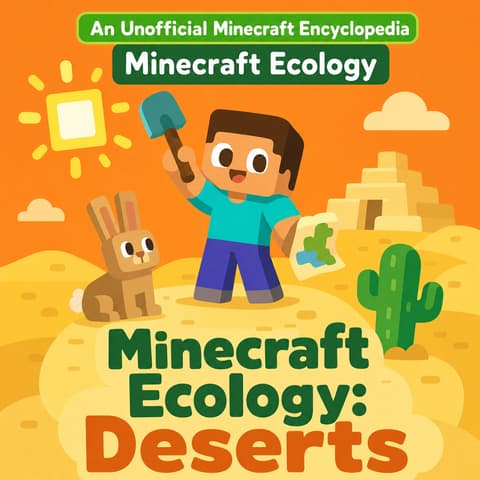
Minecraft Ecology: Deserts
Could you survive a day in the blazing Minecraft desert? Sand stretches in every direction, the sun climbs to a dizzying height, and the air feels weirdly still. Where do husks hide when the heat gets too strong? How do rabbits stay cool, and what hidden treasures wait beneath the dunes? Grab a shovel, pack a map, and seize the chance to explore this foreign land! This decodable reader practices the ’ei’ phonogram in words such as ‘weird,’ ‘height,’ ’neither,’ and ‘seize.’
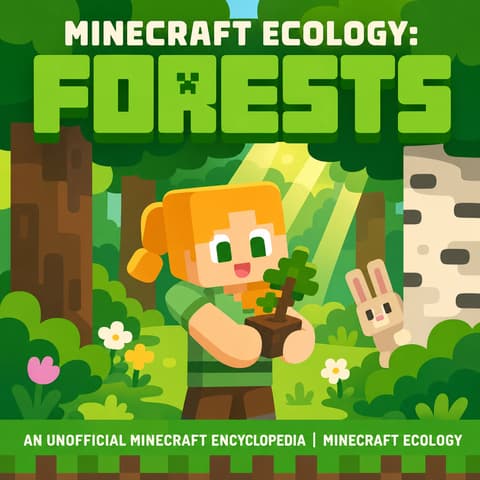
Minecraft Ecology: Forests
Step into the shady world of Minecraft forests, where oak and birch trees pack tight and the floor stays cool and dim. Can Alex keep her wits about her when thick leaves block her view and mobs lurk behind every trunk? Why is wood the most treasured thing in the game, and what happens when too many trees fall? Gather provisions, spot rare dark oaks, and help replant a greener world. This decodable reader practices si making /zh/ in words like ’treasure,’ ‘vision,’ ‘unusual,’ and ‘decision.’
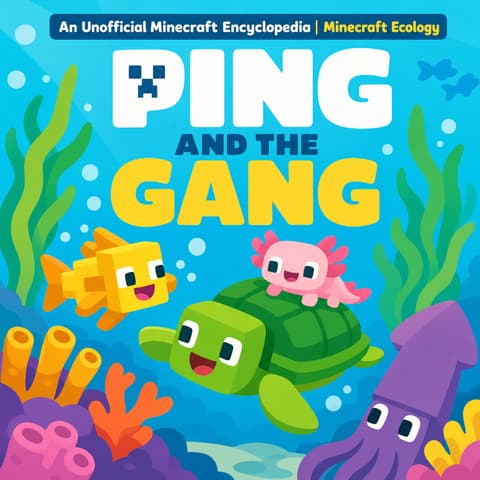
Ping and the Gang
Dive beneath the waves with Ping the fish! From warm, sunny reefs where pink things cling to the rocks, to icy seas where cod and squid hang on in the deep, the Minecraft ocean is full of wonder. But what happens when junk starts to wreck the sea? Can Ping, Tang, and their gang help life spring back to all things? This decodable reader practices the ’ng’ sound in words like ‘cling,’ ‘spring,’ ‘strong,’ and ‘brings.’
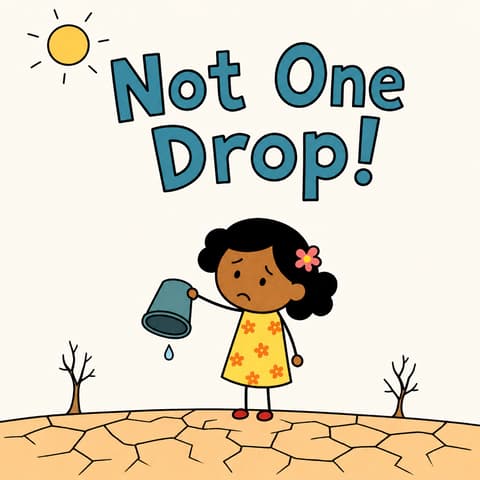
Not One Drop!
Girl is thirstier than she has ever been, and there is not one drop of water left anywhere! The pump is dry, the tank is empty, and even the creek has cracked in the sun. Will she find a sip to drink? Can a single silent cloud in the open sky really hear her shouting? A decodable reader practising 2-syllable open words like ‘baking,’ ‘open,’ ‘silent,’ ’tiny,’ and ‘water.’
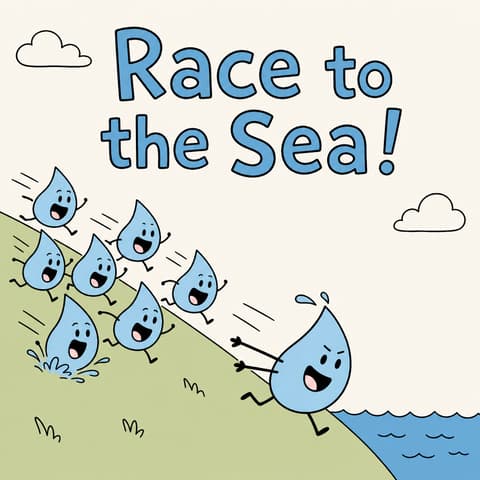
Race to the Sea!
Have you ever wondered what happens to a raindrop once it tumbles from a cloud? High above the hills, thousands of raindrops are lined up for the greatest race in the world - first one to the sea wins! But what is the prize, and does anyone actually know the rules? Tumble, splash, and roll along for a wild ride. This decodable reader practises ci/si/ti making /sh/ in words like ‘mission,’ ’location,’ ‘vacation,’ and ‘migration.’
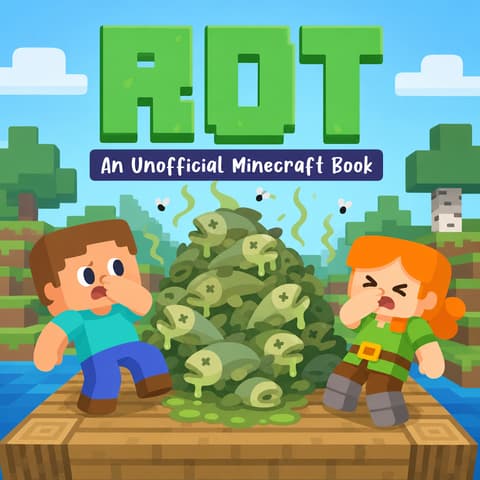
Rot
Steve and Alex caught WAY too many cod - and now a giant, stinky pile of fish is rotting on their dock! What happens when they leave food out instead of storing it properly? Can a roaring fire and a quiet cave really make the problem disappear, or will the awful whiff bring every hungry hog and curious cat running straight to their farm? This decodable reader practises vowel team syllables in words like ‘quiet,’ ‘giant,’ ‘fuel,’ ‘chaos,’ and ‘ruins.’
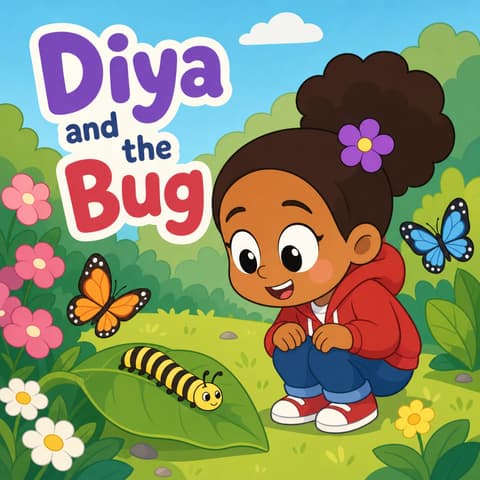
Diya and the Bug
Diya knows more about butterflies than anyone in her whole school - but she’s far too shy to say a word in class. What happens when her teacher takes the class to the park, and Diya spots a fat striped caterpillar wriggling along a leaf? Could this be the day she finally finds her voice? This decodable reader practises the le/al/el/il endings in words like ‘gentle,’ ‘sparkle,’ ‘giggle,’ ‘crumpled,’ and ‘medal.’
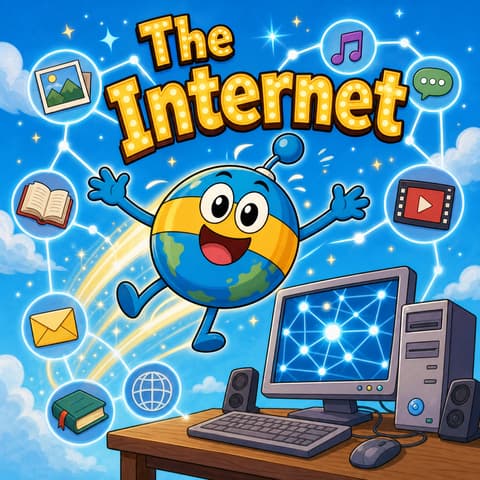
The Internet
Meet Internet Mascot, a googly-eyed globe who zips around a glowing web that wraps the whole planet! Want to know how a silly cat video can travel across the world in one second, or how a mountain-top photograph can reach every continent in minutes? From amazing animals to musical dance parties, this cheeky guide shows how to explore the web wisely - and kindly. This decodable reader practises 3+ syllable words such as ‘computer,’ ‘congratulations,’ ‘afternoon,’ and ‘incredible.’
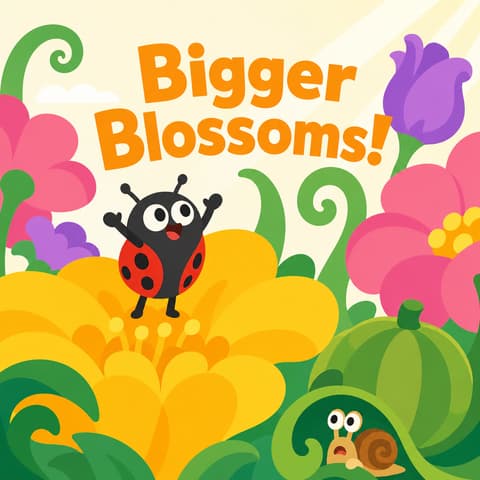
Bigger Blossoms!
Ladybug has found a teeny, tiny vine in the yard, and she is certain she can grow it into the most magnificent garden anyone has ever seen. But have you ever watched a vine climb a little too quickly? What happens when golden blossoms, fat pumpkins, and curling tendrils start wrapping around everything in sight? Snail tries to warn her, but Ladybug has big plans! This decodable reader practices suffixes in words like ‘brightly,’ ‘proudly,’ ‘quickly,’ ‘growers,’ and ’lovely.’
Frequently Asked Questions
How do science books help children build vocabulary?
Science books introduce specialized words — habitat, metamorphosis, evaporation — in context, which is one of the most effective ways for children to expand their vocabulary. The National Council of Teachers of English notes that nonfiction literature increases students’ ability to make inferences and strengthens literal comprehension. Because these books use decodable text, children practice phonics skills at the same time.
Why should children read nonfiction alongside fiction?
Children who read a variety of text types develop stronger overall reading skills. Background knowledge — the kind built by reading about science, nature, and the world — is a core strand of Scarborough’s Reading Rope (2001), which describes how comprehension depends on both decoding ability and content knowledge working together. Mixing science books with story books gives children practice with both narrative and informational text structures.
Are science picture books suitable for beginning readers?
Yes. The science books here pair simple, decodable text with illustrations that help explain concepts visually. Research in npj Science of Learning (Takacs & Bus, 2020) found that clear, well-designed illustrations improve both attention and comprehension in beginning readers — an especially valuable support when the subject matter is new.
What science topics are covered for children ages 5 to 9?
Topics include animals, plants, weather, the human body, the solar system, and basic biology. Each book is designed to answer the kinds of questions young children naturally ask — why leaves change color, how fish breathe, what makes a volcano erupt — while keeping the reading level manageable.
Can I download these science books as PDFs?
Yes. Science books are available to read on the Bookbot website, with many titles free to access. Depending on the title, you may also find options such as PDF downloads, printable versions for classroom or home use, audiobooks, or read-aloud mode with word-by-word highlighting.