


STEM Books for Kids
We’re committed to helping every child discover the joy of reading through stories they love. This collection introduces science, technology, engineering, and math for readers ages 5 to 9. Each book makes complex concepts accessible and exciting through engaging stories that encourage problem-solving and innovation.
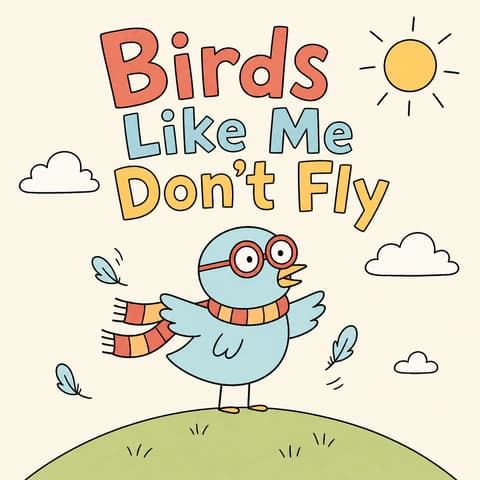
Birds Like Me Don't Fly
Hank has one enormous dream - he wants to fly! But his wings are small, his body is big, and his feet just won’t leave the ground. When the other birds laugh and say birds like Hank don’t fly, will he give up on his dream? Or could a plank, some tape, and a very big idea change everything? Grab your goggles and find out! This decodable reader practices the nk sound in words like ‘bank,’ ‘clank,’ ‘shrink,’ and ’think.’
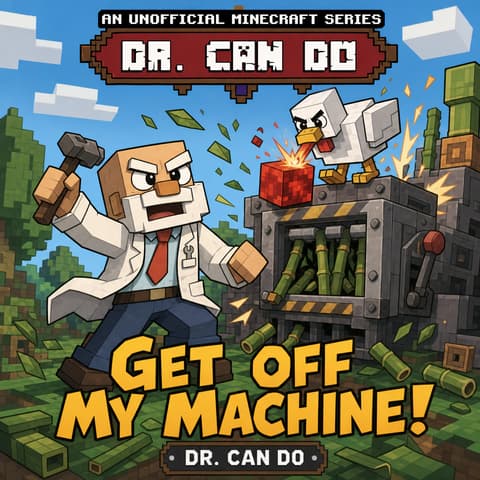
Get Off My Machine!
Dr Can Do’s furnace is always hungry, and the coal is nearly gone! Luckily, Jill has a bright idea - why not build a machine that grows and cuts bamboo all by itself? But just as the clever contraption is ready, a cheeky chicken hops right on top and starts pecking at the red stone. Can anything keep this feathery escape artist away? This decodable reader practises the soft c sound in words such as ‘face,’ ‘fence,’ ‘piece,’ and ’nice.’
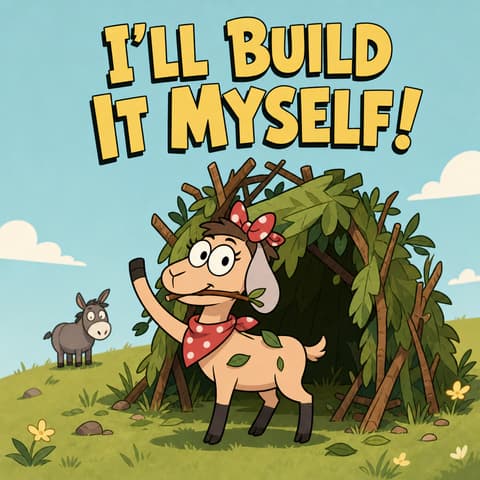
I'll Build It Myself!
It’s the hottest afternoon of the summer, and Gilly the goat is absolutely miserable. The stream is too wet, the shrubs are too small, and shade fit for a goat is nowhere to be found! But when Gilly spots a family building a real house in town, a wild idea starts fizzing in her brain. Could a goat actually build her own shelter? This decodable reader gives kids practice with 3+ syllable words such as ‘afternoon,’ ‘miserable,’ ‘congratulations,’ and ‘particular.’
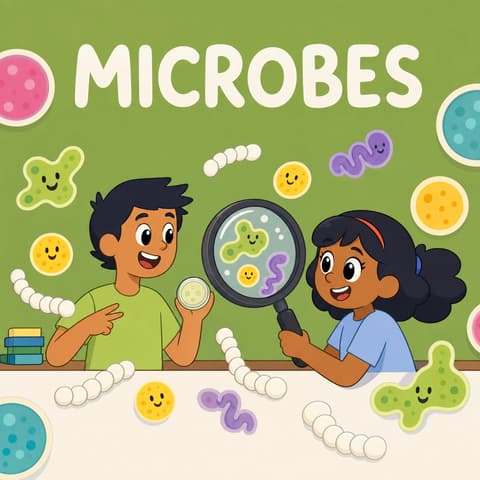
Microbes
Zara has one wild dream - to discover a brand new microbe that nobody has ever found before. When a stinky green cloud rolls out of the lab fridge, most people pinch their noses and run. But Zara? She leans in and sniffs. Could a rotten piece of fruit really be hiding a secret creature waiting to be named? This decodable reader practises 2-syllable open words such as ’tiny,’ ‘over,’ ‘data,’ and ‘going.’

More Coal!
Dr. Can Do’s furnaces are hungry, and his coal is almost gone! The villagers can’t help, and the mine is a long, dusty walk away. But what if a clever inventor could build something faster than feet? Can Dr. Can Do lay the perfect track, spark every torch, and zoom to the mine before his work is left undone? Hammers up - it’s time to invent! This decodable reader practises prefixes in words like ‘dislikes,’ ‘recharge,’ ‘redo,’ and ’nonstop.’

No More Torches!
When Dr. Can Do marches into a village lit by smoky, drippy torches, he’s certain he has the answer to all their problems. But will the villagers trust his shiny new workshop on the hill? What happens when he flicks that mysterious switch on the wall? And can a man with a donkey, a grin, and a head full of wild ideas really change the face of this little village forever? This decodable reader practises the soft c sound in words like ‘ceiling,’ ‘chance,’ ’noticed,’ and ‘magnificent.’

The Internet
Meet Internet Mascot, a googly-eyed globe who zips around a glowing web that wraps the whole planet! Want to know how a silly cat video can travel across the world in one second, or how a mountain-top photograph can reach every continent in minutes? From amazing animals to musical dance parties, this cheeky guide shows how to explore the web wisely - and kindly. This decodable reader practises 3+ syllable words such as ‘computer,’ ‘congratulations,’ ‘afternoon,’ and ‘incredible.’
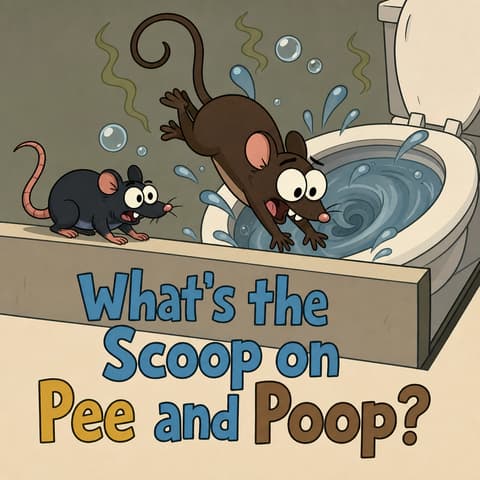
What's the Scoop on Pee and Poop?
Where does pee and poop actually GO? Pat the rat has a question nobody wants to answer, so he takes a deep breath and dives straight into the toilet! Down in the dark sewer, a cheerful rat offers to show him everything. Can Pat follow the water through tanks, filters, and pipes all the way to the sea? This decodable reader practises 2-syllable open words such as ‘maybe,’ ‘only,’ ‘open,’ and ‘over.’
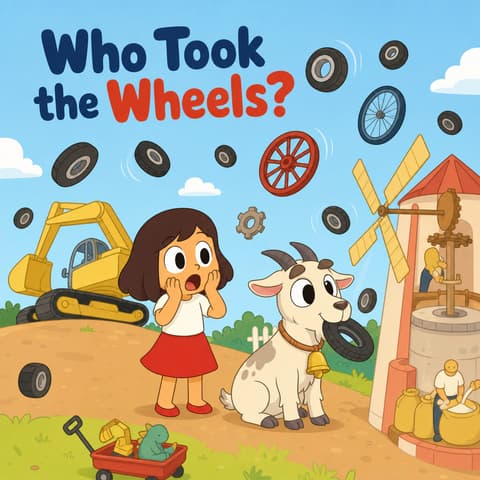
Who Took the Wheels?
Mia thinks wheels are the greatest invention EVER. Cars, clocks, ferris wheels - they spin the whole world! But what would happen if every single wheel suddenly vanished overnight? When Mia wakes up to find trucks flat on the ground and trains slumped on their tracks, she grabs a very unhelpful goat and sets off to solve the mystery. Could a quiet world actually be a better one? This decodable reader practises vowel team syllables in words such as ‘giant,’ ‘chaos,’ ‘create,’ ‘quiet,’ and ‘ruin.’
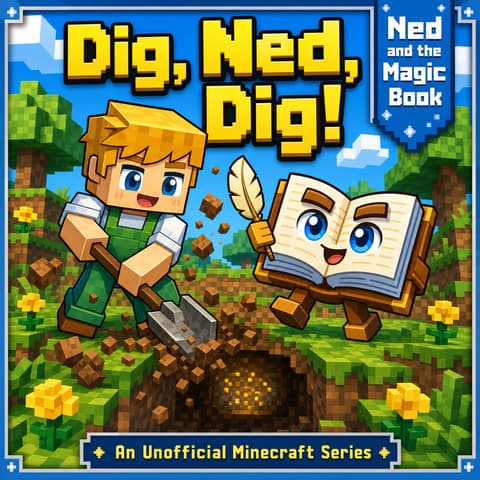
Dig, Ned, Dig!
Ned has built a cozy shed in an unknown world, but his magic book says it’s time to dig! Can Ned figure out which end of the shovel goes in the ground? And what happens when his trusty shovel hits something hard and golden deep beneath the hill? Grab a pickaxe and find out! This decodable reader practices the ‘kn’ phonogram in words like ‘knelt,’ ‘knuckles,’ ‘knock,’ and ‘knew.’
Frequently Asked Questions
What are STEM books and why do they matter for early readers?
STEM books introduce science, technology, engineering, and math concepts through stories that make complex ideas accessible to children ages 5 to 9. The National Council of Teachers of English identifies cross-curricular reading as essential for building the background knowledge that supports comprehension — and STEM books are a natural way to bring informational content into a child’s reading practice.
How do STEM story books support reading development?
STEM books build vocabulary, background knowledge, and critical thinking simultaneously — all components that Scarborough’s Reading Rope model (2001) identifies as essential for skilled reading. Words like experiment, observe, measure, and predict expand a child’s language well beyond everyday conversation, and the problem-solving narratives keep them engaged.
At what age can children start reading STEM picture books?
Children can enjoy STEM picture books from kindergarten, when their curiosity about how things work is at its peak. Ehri et al. (2001) found that systematic phonics instruction benefits children from kindergarten through sixth grade, and these STEM books use decodable text that puts that phonics knowledge into practice with real science content.
What formats are these STEM books available in?
STEM books are available to read on the Bookbot website, with many titles free to access. Depending on the title, children may also find options such as PDF downloads, printable versions, audiobooks, or read-aloud mode with word-by-word highlighting that follows along with the text.
What STEM topics and reading levels are covered?
The collection includes stories about animals, space, weather, plants, machines, inventions, and problem-solving. Reading levels range from simple CVC words for beginning readers through advanced phonics patterns for more fluent readers. You can filter by grade level or browse the scope and sequence.