


Animal Books for Kids
We believe every child deserves access to quality reading materials that nurture a lifelong love of learning. This collection features stories about animals of all kinds for readers ages 5 to 9. From beloved pets to wild creatures, each book introduces young readers to the animal kingdom through engaging narratives and memorable characters.
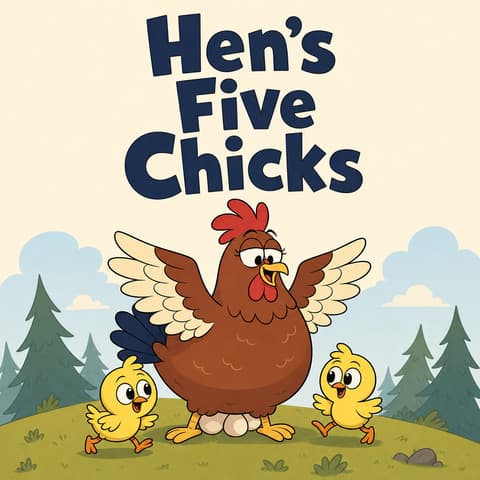
Busy Hen
Hen has five precious eggs in her cozy nest, and she is determined to be the best mom in the whole wide world. But what happens when the shells start to tap and crack? Can Hen keep up with five wiggly, giggly chicks who will not sit still for a single second? Settle in for a warm, funny farmyard adventure. This decodable reader practices the ‘ph’ sound in words like ‘phew,’ ‘photograph,’ ’telephone,’ and ‘phenomenal.’
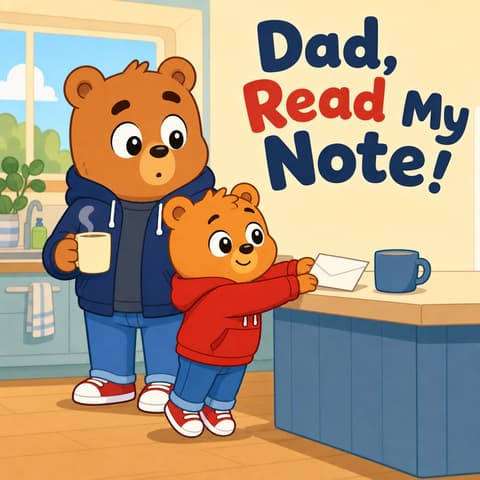
Dad, Read My Note!
What do you do when your dad is the best dad in the whole neighborhood, but he’s also too tired to go fishing? One clever kid has tried tugging, begging, and waving a fishing rod in the air - nothing works! So he writes a secret note and slips it next to Dad’s morning mug. Will the note finally get Dad off the couch, and what woodland surprises wait on the path? This decodable reader practices the eigh phonogram in words like “eight,” “neighbor,” “weighed,” and “sighed.”
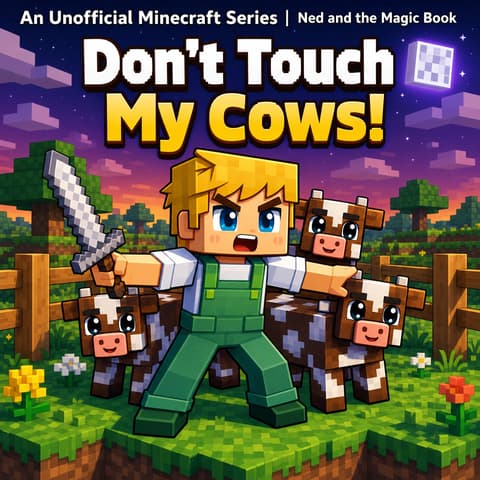
Don't Touch My Cows!
Ned is DONE with fighting monsters - from now on, he’s a man of peace who bakes magnificent cakes! But cakes need milk, and milk needs cows, and cows need a pen… so what happens when darkness falls before the fence is finished? Can Ned bravely protect his new herd through a long, sleepless night? This decodable reader practises words with suffixes such as ‘bravely,’ ’tightly,’ ‘hopeful,’ ‘golden,’ and ’thankful.’
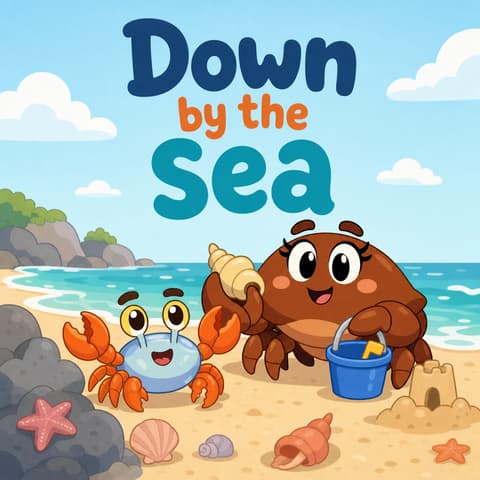
Down by the Sea
Nip the
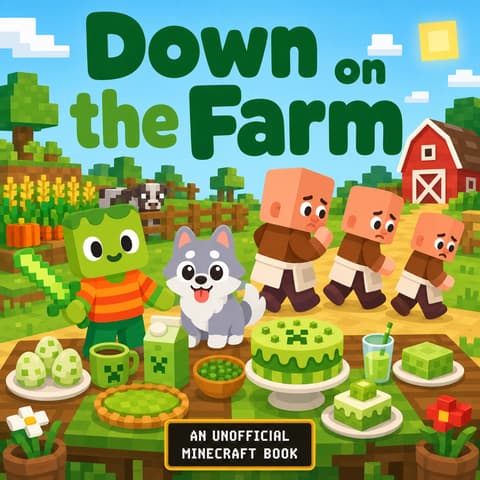
Down on the Farm
What happens when villagers who have never touched a chicken sign up for a farm stay with Zom the zombie farmer? Could mucking out pig sties, milking bleating sheep, and scooping horse droppings really be worth it for a big country breakfast? And when a phenomenal spread finally appears on the table the next morning, why is every single dish a strange shade of green? This decodable reader practises the ‘ph’ sound in words like ‘pamphlet,’ ‘phantoms,’ ‘phosphate,’ and ‘phrase.’
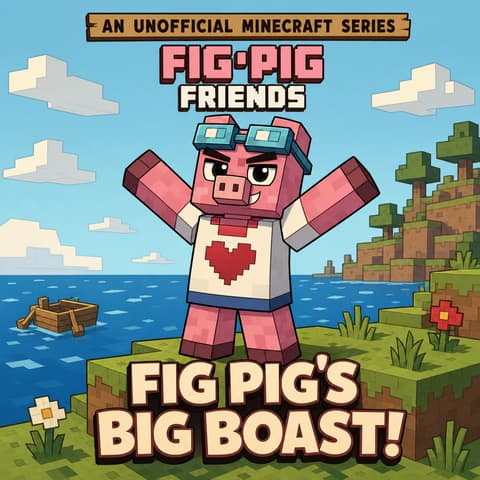
Fig Pig's Big Boast!
Fig Pig puffs out his chest and promises Brat Cat the most AMAZING thing in the whole wide world! But what could possibly be amazing enough? Will he find it among the spotty mushroom cows, the shivery polar bears, or the sizzling desert sand? Join Fig Pig as he sails the seas, laughs at the wind, and hunts high and low for the perfect surprise. This decodable reader practises the augh phonogram in words like ‘caught,’ ’laugh,’ ‘haughty,’ and ’naughty.’
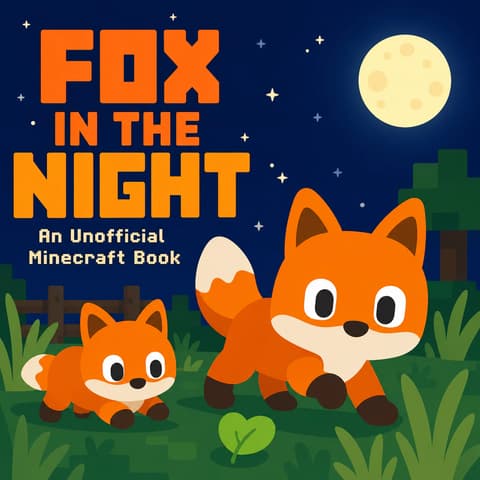
Fox in the Night
Zom’s chickens keep vanishing, and a weird fox is to blame! He’s already lost eight hens to her sneaky night-time visits. Can new planks, a heavy gate, and express freight deliveries outsmart a clever thief? Or will Zom need a wilder plan - one that involves hiding in the weeds and feigning a monster at the top of his lungs? What will Zom discover out in the moonlight? This decodable reader practises the ’ei’ phonogram in words like ’eight,’ ‘freight,’ ‘height,’ and ‘weird.’
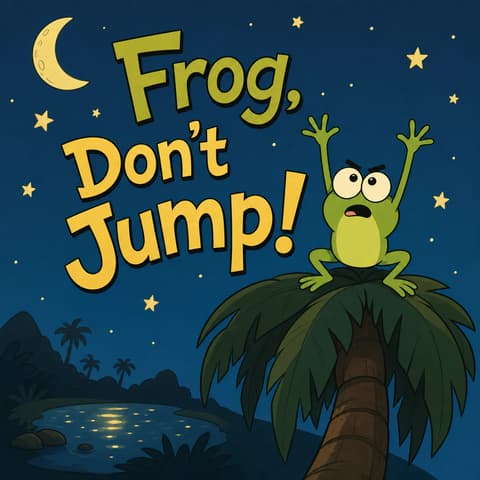
Frog, Don't Jump!
Frog gazes up at the glowing stars every night and dreams of holding just one. But when his short arms and tallest hills aren’t enough, he spots a giant palm tree - could climbing to the very top finally bring him close to those shining lights? And what are those tiny golden glimmers twinkling in the pond far below? Join Frog on a brave, starry adventure! This decodable reader practises vowel team syllables through words like ‘giant,’ ’lion,’ ‘quiet,’ and ‘ruin.’

Get Off My Back!
Deep in a dark cave, Ned’s metal armour sparkles as he swings his pickaxe, dreaming of treasure. But what happens when a little chest holds something stranger than gold - a floppy leather lump? And when Ned spots a beautiful white horse in a nearby stable, can he learn to be gentle enough to ride it, or will he tumble right off? This decodable reader practises the le/al/el/il phonogram in words like ‘apple,’ ‘saddle,’ ‘gentle,’ ‘metal,’ and ‘signal.’

Get Off My Machine!
Dr Can Do’s furnace is always hungry, and the coal is nearly gone! Luckily, Jill has a bright idea - why not build a machine that grows and cuts bamboo all by itself? But just as the clever contraption is ready, a cheeky chicken hops right on top and starts pecking at the red stone. Can anything keep this feathery escape artist away? This decodable reader practises the soft c sound in words such as ‘face,’ ‘fence,’ ‘piece,’ and ’nice.’
Frequently Asked Questions
Why do children love reading about animals?
Animals are one of the most universally appealing topics for young readers because children form strong emotional connections with creatures — both real and fictional. A meta-analysis by Bus, van IJzendoorn and Pellegrini (1995) found that when children are engaged with book content, shared reading has a significantly stronger effect on language and literacy development. Animal stories tap into that natural curiosity, making reading practice feel effortless.
How do animal picture books support vocabulary growth?
Animal books introduce words children rarely encounter in everyday conversation — terms like habitat, predator, nocturnal, and migrate. Stanovich (1986) showed that reading is the primary way children build vocabulary beyond basic speech, and topic-rich books about animals accelerate that process. Each new word strengthens what Scarborough (2001) calls the ’language comprehension’ strand of skilled reading.
What formats are these animal books available in?
Animal books are available on the Bookbot website, with many titles free to read online. Select books also offer PDF downloads or read-aloud features with word-by-word highlighting — useful for children who are still building decoding confidence.
Are animal books effective for children who don't enjoy reading?
High-interest topics like animals are one of the most reliable ways to engage a reluctant reader. When children care about the subject, they are more willing to work through unfamiliar words. Research on picture book reading found that illustrations matched to the text improve learning and comprehension (Wang, 2025), making animal picture books especially accessible.
What reading levels are these animal books written at?
The collection ranges from simple CVC words (like cat, dog, bug) for beginning readers through consonant blends, digraphs, and multi-syllable words for more advanced readers. You can filter by grade level or browse the scope and sequence to find the right starting point for your child.