


SEL Books for Kids
We believe every child deserves access to quality reading materials that nurture a lifelong love of learning. This collection helps children ages 5 to 9 understand feelings, build relationships, and develop self-awareness. Each book addresses emotions, empathy, and social skills through relatable stories.
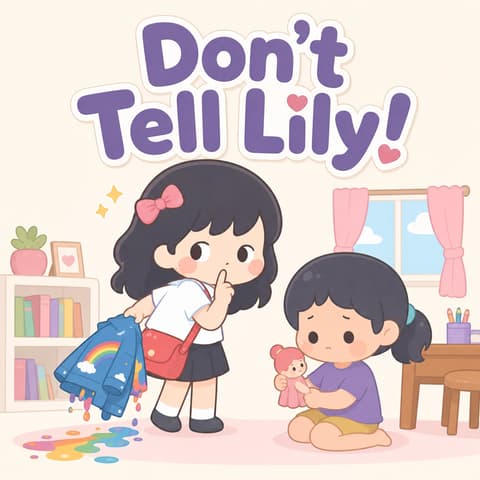
Don't Tell Lily!
Mia spots Lily’s shiny new birthday jacket hanging on the bedspread and just HAS to try it on - only for a second, right? But what happens when paint spills all over it in the classroom? Can Mia hide it in the microwave, scrub it clean in the bathtub, and keep her sister from finding out? Or will the truth come tumbling through the doorway? This decodable reader practices compound words such as ‘bedspread,’ ‘classroom,’ ‘microwave,’ ‘bathtub,’ and ‘birthday.’
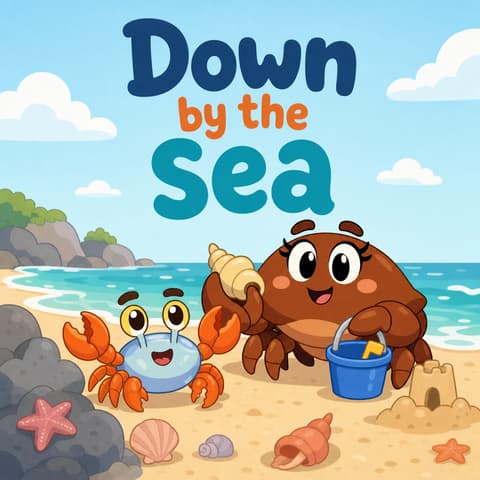
Down by the Sea
Nip the
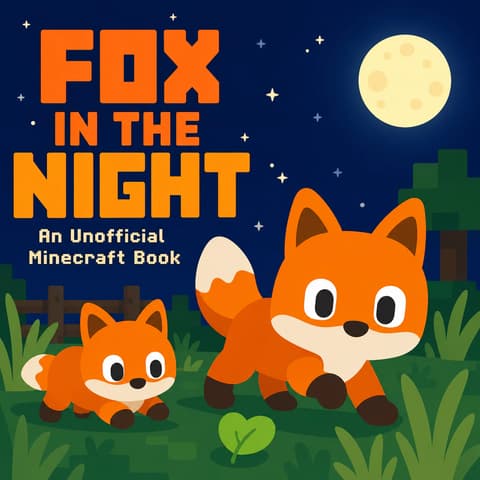
Fox in the Night
Zom’s chickens keep vanishing, and a weird fox is to blame! He’s already lost eight hens to her sneaky night-time visits. Can new planks, a heavy gate, and express freight deliveries outsmart a clever thief? Or will Zom need a wilder plan - one that involves hiding in the weeds and feigning a monster at the top of his lungs? What will Zom discover out in the moonlight? This decodable reader practises the ’ei’ phonogram in words like ’eight,’ ‘freight,’ ‘height,’ and ‘weird.’
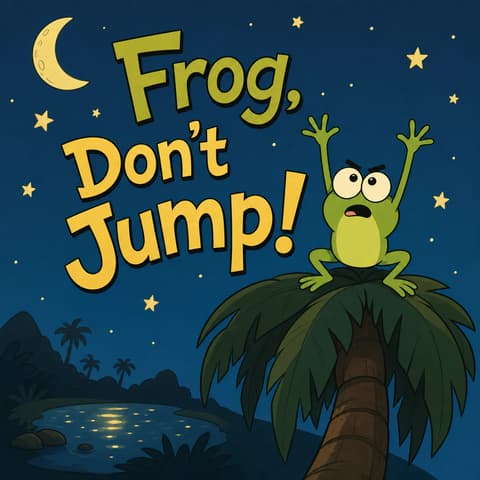
Frog, Don't Jump!
Frog gazes up at the glowing stars every night and dreams of holding just one. But when his short arms and tallest hills aren’t enough, he spots a giant palm tree - could climbing to the very top finally bring him close to those shining lights? And what are those tiny golden glimmers twinkling in the pond far below? Join Frog on a brave, starry adventure! This decodable reader practises vowel team syllables through words like ‘giant,’ ’lion,’ ‘quiet,’ and ‘ruin.’
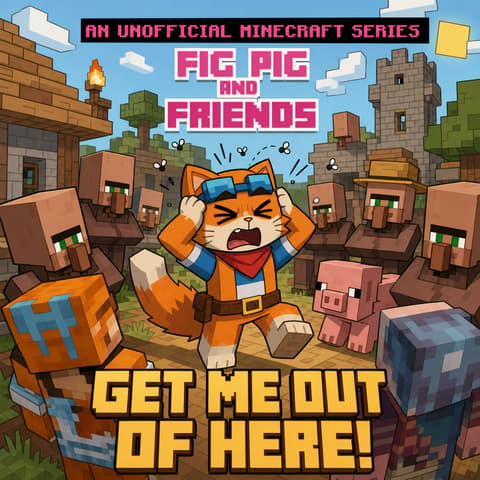
Get Me Out of Here!
The town is hot, the crowds are loud, and gnats are buzzing right in Brat Cat’s ears - can she find a quiet place before her whiskers snap? Deep in a peaceful wood, she spots the perfect clearing and dreams up a cosy little hut. But will Fig Pig and Tip help her build it just right? This decodable reader practises the ‘gn’ sound in words like ‘gnats,’ ‘gnash,’ ‘sign,’ ‘design,’ and ‘aligned.’
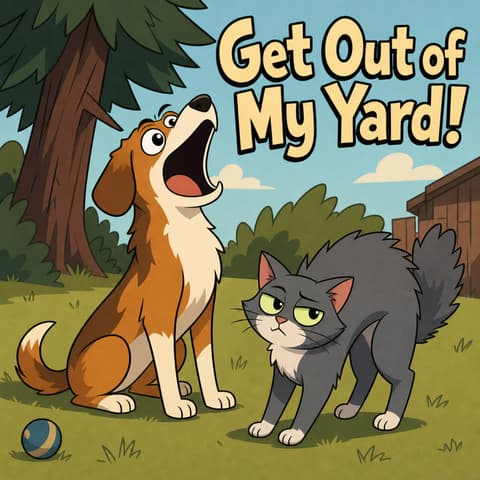
Get Out of My Yard!
Dog and Cat were the very best of friends - napping under the big tree, sharing meals, and batting their little ball back and forth. But when the people scoop Cat up to live inside the house, Dog is left alone in the yard. Can two friends find their way back to each other after angry words drive them apart? This decodable reader practises prefixes in words such as ‘dislike,’ ‘indoors,’ ‘retreat,’ ‘undone,’ and ‘unfair.’
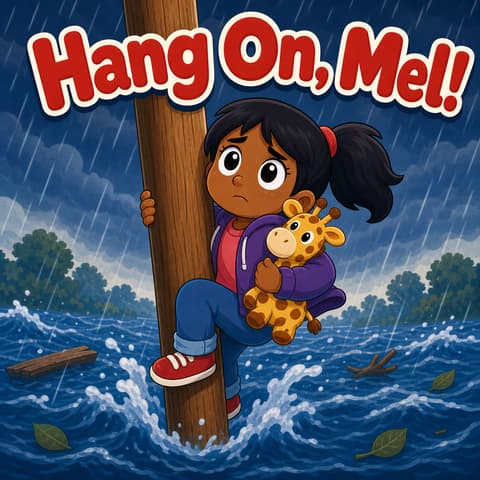
Hang On, Mel!
The water rises fast, swallowing streets and rooftops, and all Mel has left is a wooden pole and her toy giraffe, Gus. When a kind helper named Jen pulls her to safety, can Mel find the courage to speak, to eat, and to help the other frightened kids at the shelter? And will Jen keep her biggest promise of all? This decodable reader practises the ’ei’ phonogram in words like ‘weight,’ ‘ceiling,’ ’eiderdown,’ and ‘feisty.’
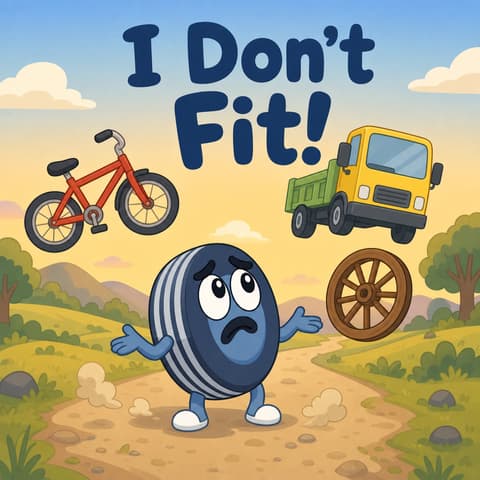
I Don't Fit!
The Tire is tired of the bumpy road, the heavy boxes, and all the crashes! Could a truck be a better home? Maybe a bike? Or a cart with wooden wheels? Poor Tire rolls past bushes and ditches, making wishes for a place where he truly fits - but where could that be? This decodable reader practises es plurals in words like ‘bushes,’ ‘crashes,’ ‘ditches,’ and ‘wishes.’
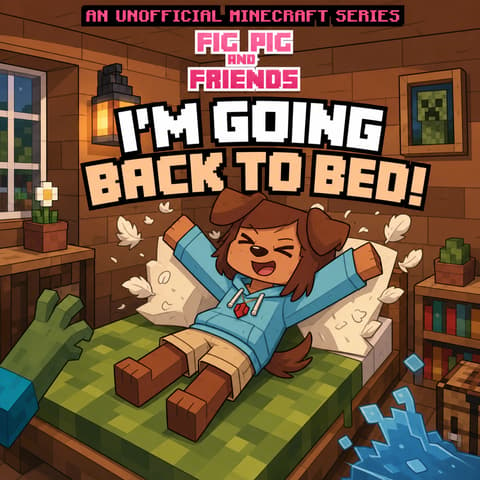
I'm Going Back to Bed!
Have you ever had a day so bad you just wanted to hide under the blanket? After an onslaught of zombies and a flooded farm, poor Tip has decided her bed is the only safe place left in the world. But when Brat Cat and Fig Pig come knocking with a red tulip and glowing vines, can they cheer her up? This decodable reader practises the ‘augh’ phonogram with words like ‘caught,’ ’taught,’ ’naughty,’ and ‘distraught.’
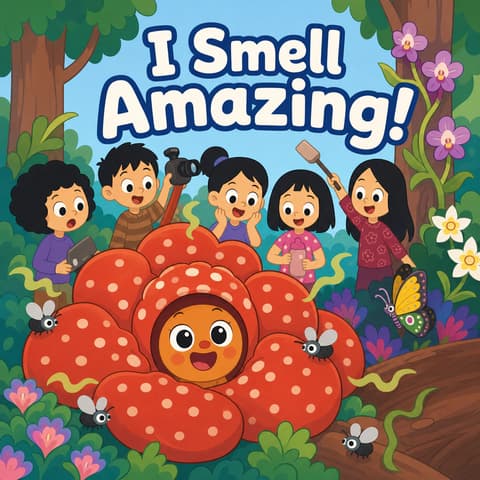
I Smell Amazing!
Deep in the jungle lives Rafa, a huge red flower with bumpy, spotted petals and a smell so strong it can curl your toes! The orchids gnash their teeth, the roses turn up their noses, and the butterflies fly right past. But why do clouds of gnats adore her? And could Rafa’s stinky cologne actually be her greatest gift of all? This decodable reader practises the gn phonogram in words like ‘sign,’ ‘design,’ ‘reigns,’ and ‘gnaw.’
Frequently Asked Questions
What is social-emotional learning (SEL)?
Social-emotional learning is the process through which children develop skills in self-awareness, self-management, social awareness, relationship building, and responsible decision-making. Stories are one of the most natural ways to introduce these concepts — research shows that social-themed picture books significantly improve prosocial behavior in young children (Li et al., 2025).
How do picture books help children develop empathy?
When children follow characters through emotional situations — a disagreement with a friend, feeling left out, or showing courage — they practice perspective-taking in a safe context. Research shows that narrative fiction helps children simulate social worlds and understand other people’s intentions and feelings (Tabullo et al., 2022). Discussing the story afterwards deepens this effect.
What SEL topics do these books cover?
The books explore themes including identifying and managing emotions, kindness, friendship, dealing with frustration, self-confidence, sharing, and inclusion. Each story is written in decodable text, so children build reading skills alongside social-emotional understanding.
Can reading together improve my child's social skills?
Yes. Shared reading naturally prompts conversations about feelings and behavior — research by Bus, van IJzendoorn, and Pellegrini (1995) found that joint book reading has a significant positive effect on children’s language and emotional development. Reading an SEL story together gives you a starting point to talk about real situations your child might face. See our guide on the benefits of reading aloud.
Are SEL books available at different reading levels?
Yes. The SEL books here are organized by phonics level, from simple CVC words through advanced patterns, so children from first through third grade can find stories about feelings and relationships that match their reading ability.