



I first came across the term ‘phonics’ when my little Bookbotter Archie was in prep.

We were moving overseas and his teacher said, ‘Whatever you do, find a school that teaches phonics.’
How I wish I had paid more heed, found out what she meant and followed her advice…
The first question I should have asked was, ‘What is phonics’?
For those of you who are starting their phonics journey, here are the answers to the questions I should have asked.
I wish I could present a simple definition of phonics and be done with it. But, as with many things concerned with teaching and learning, it’s not quite that simple.
I think when I heard Archie’s teacher say ‘phonics’, I thought I knew what she was talking about:
That thing when letters have sounds as well as names and they fit together to make words.
Simple, I thought.
I’ll pop that it in the ‘done’ pile and get on with packing.

I honestly think that naivety cost Archie a few years in his reading journey.
It turned out that my chosen school did not, in fact, teach an effective phonics program but that took me a while to discover.
When we are talking about phonics as a tool to teach reading there are two main types:
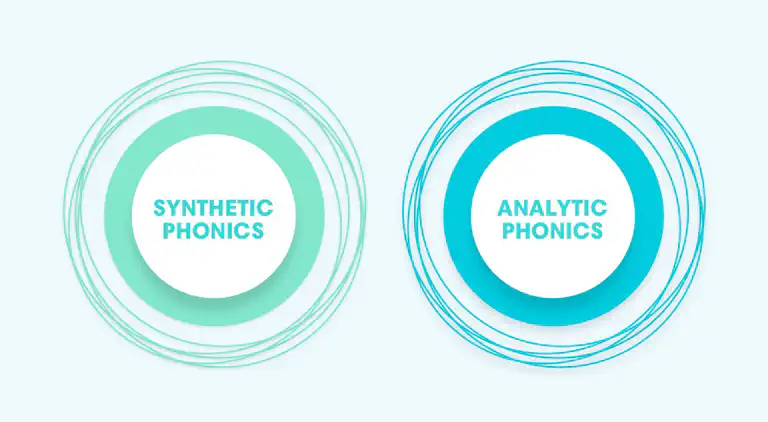
Current research into the effectiveness of each type pretty consistently comes out on the side of synthetic phonics.
Analytic Phonics
This is the more traditional approach. This method gets children to ‘analyze a word’.
To do this they use clues like looking at the shape of the word, the initial sound and the context (pictures, what word came before etc).
This part of the process becomes about memorizing the look of the whole word and is a bit of a guessing game.
Only later are they asked to break down the words into smaller units of sound, and letter sounds are taught after reading has begun.
These later stages are not explicitly taught and it is not always the case that children will pick up these skills.
This leads to a wide difference in their understanding of the implicit rules of the English alphabet.
Synthetic phonics
It has nothing to do with nylon and all about sounding out every letter in a word and blending them together to read.
Synthetic Phonics Teaches Children:
- That spoken words are composed of sounds (phonology)
- The 44 sounds of the English language
- To blend sounds in words to read
- To listen for sounds in words to spell
- All the different ways each sound can be represented, e.g. the sound /a/ as in ‘acorn’ can be spelled (‘ay’ like in ‘play, ‘ai’ like in ’laid’, ‘a’ like in ‘acorn’, ’eigh’ like in ‘sleigh’ and so on…)
- Irregular words (sometimes called tricky words or red flag words) that don’t follow the rules
- The sound first and then the letter name
Here’s a handy comparison of the two approaches:
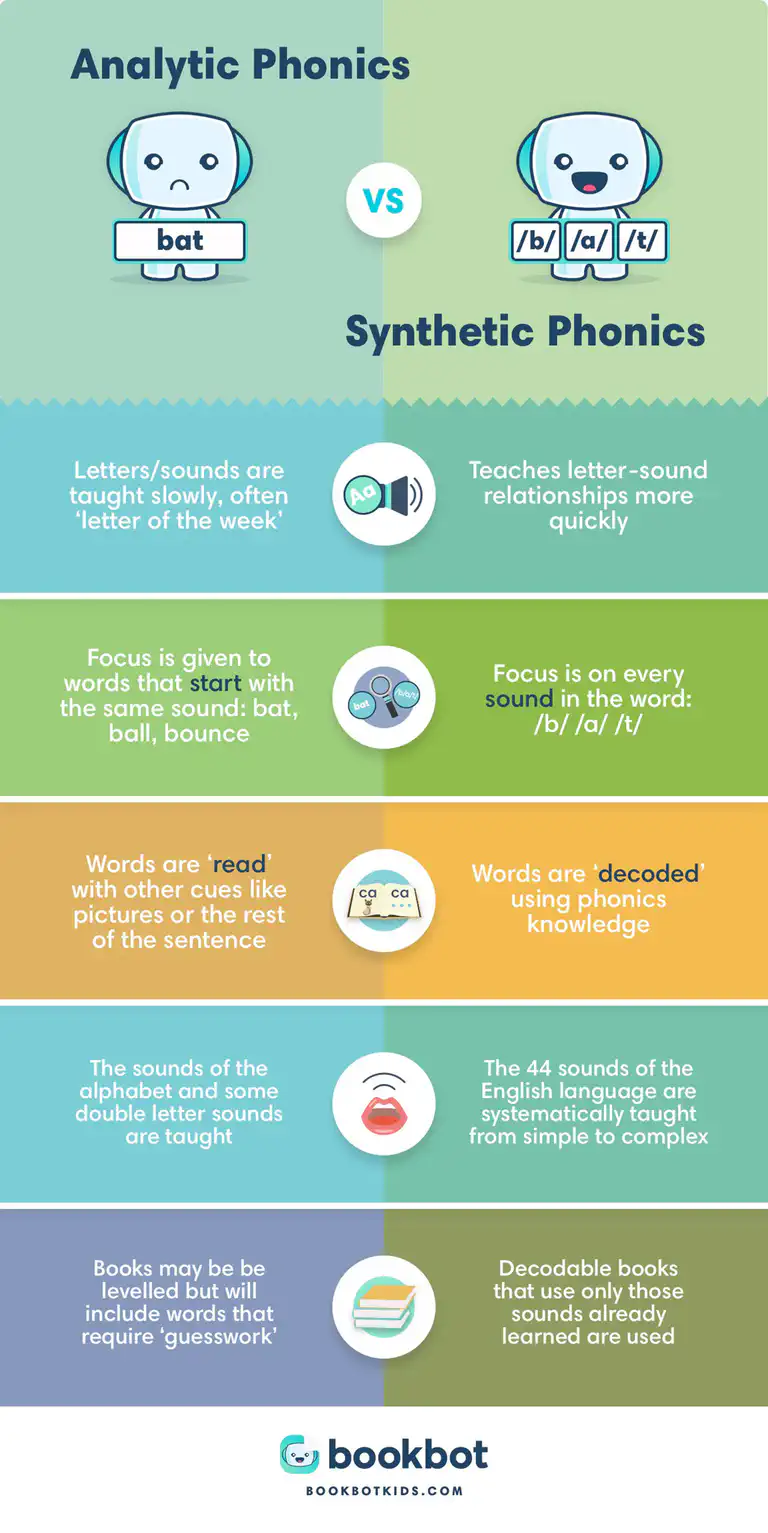
The balance of evidence tips in favor of synthetic phonics: explicit instruction involving the systematic and sequential teaching of the letter-sound relationships in written English.
Put simply, readers are taught a code that allows them to decode words.
I’m glad we got that cleared up.
So, all I needed to know when selecting that school for Archie was: Do they teach Synthetic Phonics?
Simple.
Not so. Phonics instruction is most effective when it is part of a comprehensive literacy program: it’s only part of the jigsaw.
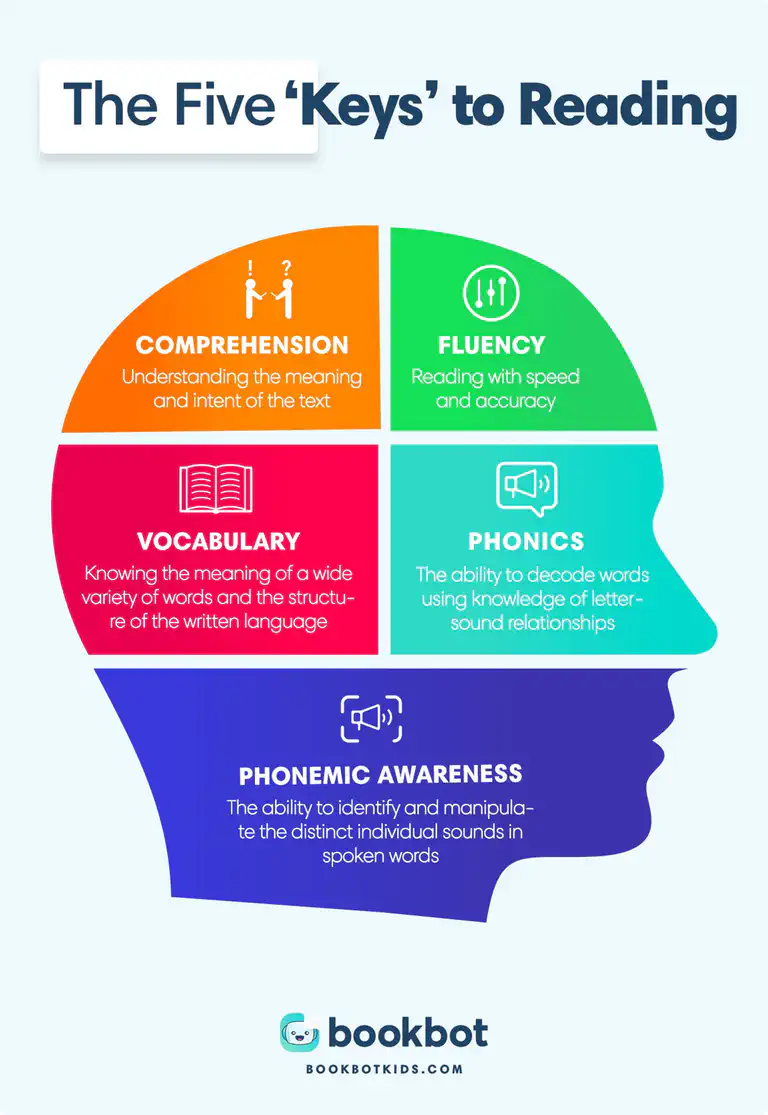
Only when all five of those parts of the jigsaw are pieced together will a child be given the best possible chance of becoming a competent reader.
So, phonics is a method of teaching reading, synthetic phonics being the most effective program according to current research.
Synthetic phonics should not work in isolation: a comprehensive literacy program should be in place to create the optimum learning experience.
If I ever find myself moving overseas again I shall be far more prepared.
References
The International Dyslexia Association (IDA). (2015). Effective Reading Instruction
Five from Five - an initiative of the Center for Independent Studies, Sydney, Australia