


Some projects make you grin the moment you walk into the room. This is one of them.
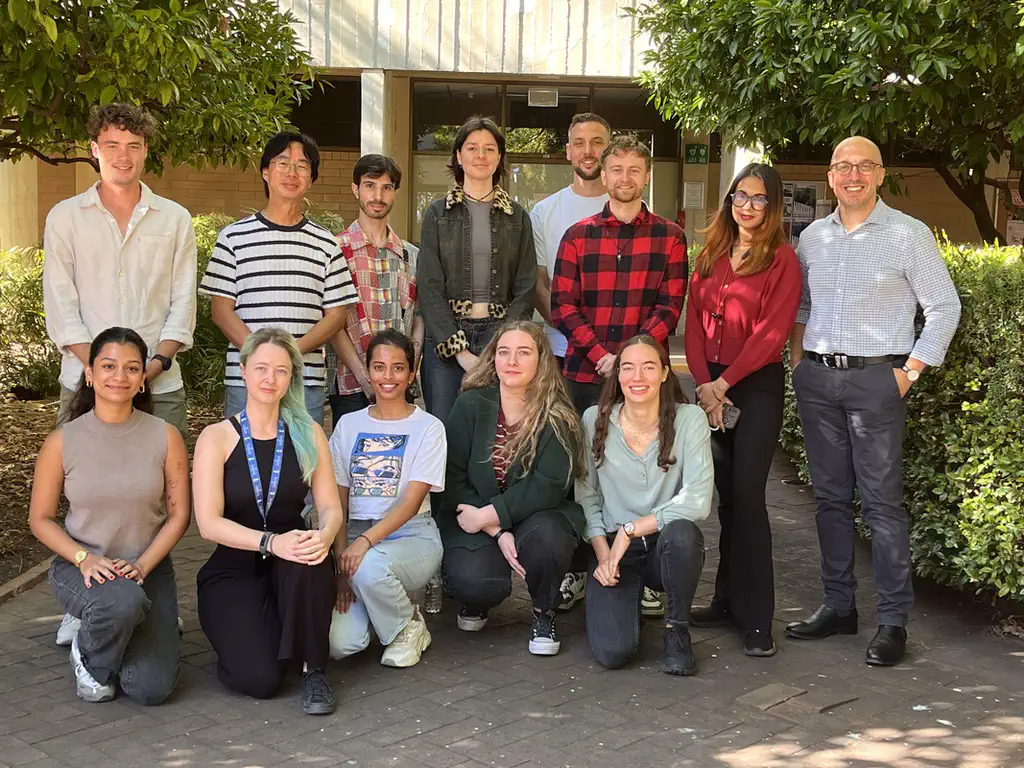
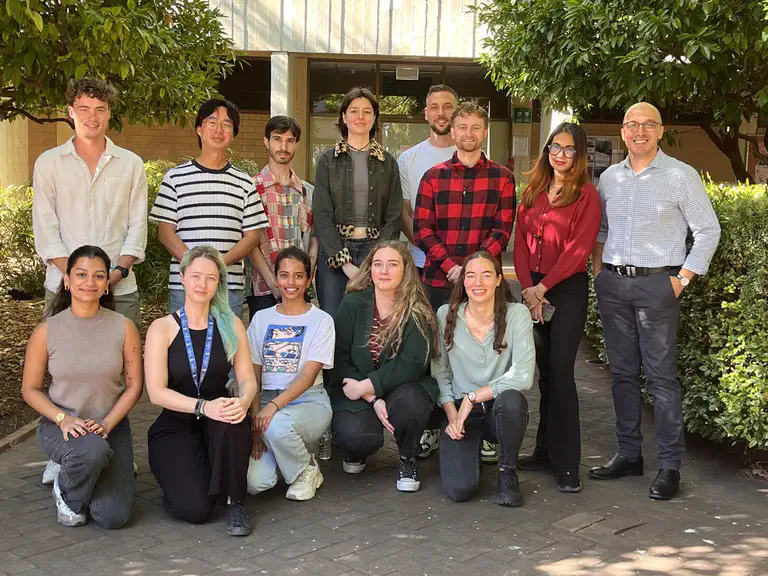
We have started working with Dr. Nathan Caruana and his team at the HAVIC Lab, part of Flinders University in Adelaide, on something we have wanted to try for a long time. We are putting Bookbot on a social robot. Not a character on a screen or a cartoon on a tablet, but a physical robot that sits on the desk, looks a child in the eye, and listens while they read.
Bookbot, meet Maki
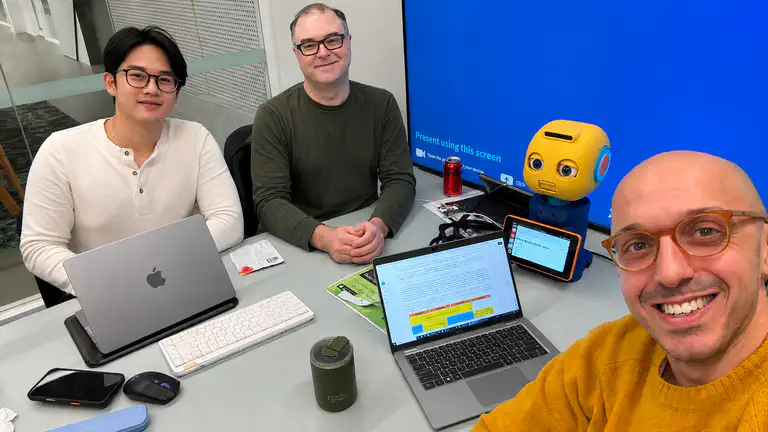
The robot we are building with is called Maki. If you have met Bookbot before, you already know the friendly yellow face. Now picture that face on a robot that can turn its head, hold your gaze, and react to what you are doing. That is what we spent our first sessions bringing to life: giving Bookbot a body.
Bookbot already listens to children read aloud and gives them gentle, immediate feedback using speech recognition (the technology that lets the app hear which words a child gets right). Moving that onto Maki changes the feeling of the whole thing. A child is no longer reading to an app. They are reading to a character who is paying attention, nodding along, and celebrating with them when they land a tricky word.
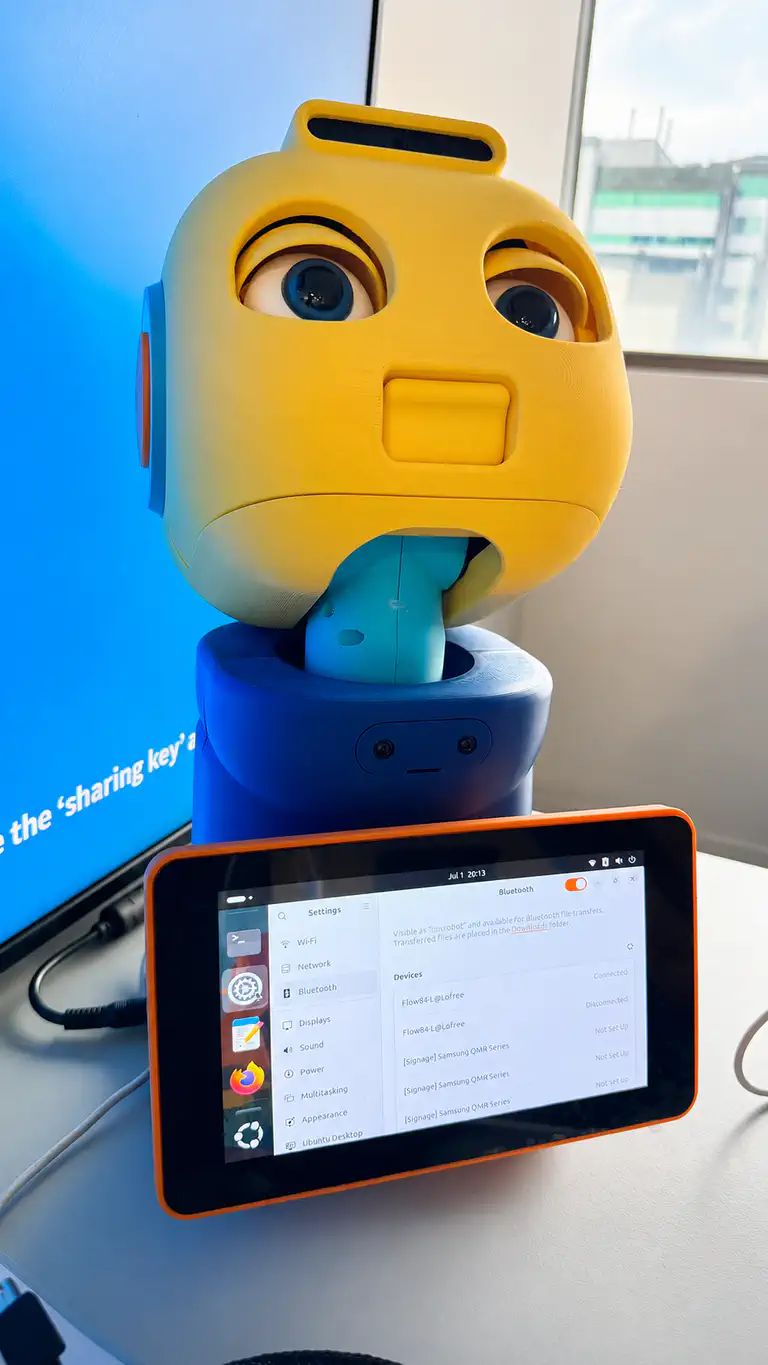
It is fiddly, hands-on work. There were plenty of cables, settings screens, and “let’s try that again” moments. But watching Bookbot blink and look around for the first time was one of the most fun days we have had in ages.
Why a reading robot, and why now
The reason we are doing this goes well beyond the novelty of a cute robot.
Nathan and the HAVIC Lab study how people interact with machines, and how a robot’s social presence changes the way we learn and pay attention. Together, we want to understand how a reading robot can support Indigenous children, who are too often left out of the tools built for early literacy. If a warm, patient robot can help a child feel confident reading out loud, that could matter enormously for kids who have not always seen themselves reflected in the technology handed to them.
That is the heart of it for me. Bookbot has always been about helping every child become a confident reader, especially the children who are hardest to reach. A social robot gives us a new way to meet them where they are.
What’s next
We are still early. Over the coming months we will keep refining how Bookbot behaves on Maki, then study how children actually respond to reading with a robot beside them. The research questions are the exciting part: does a social robot help children read more, worry less, and stick with it longer?
A huge thank you to Dr. Nathan Caruana and everyone at the HAVIC Lab for making this so collaborative and, honestly, so much fun. It is different, it is ambitious, and it is exactly the kind of project that reminds me why we do this work.
Bookbot is becoming an actual social robot. We cannot wait to see what the children think.