



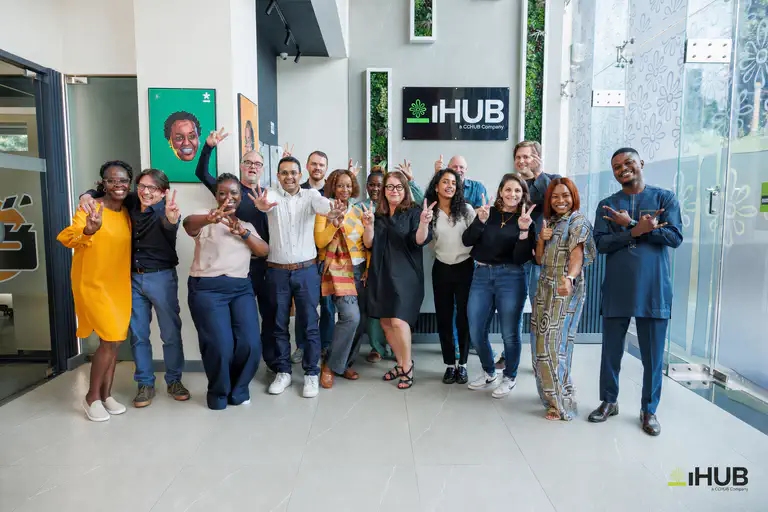
Six weeks ago I was in Nairobi, in a room at iHUB with the rest of our new cohort around a long white table. We had all flown in for the same three days, and by the second morning it had stopped feeling like a meeting and started feeling like a plan.
We were there to kick off the Sub-Saharan Africa EdTech Fund, or SEF, a venture studio run by CcHUB. SEF backs a small group of companies building AI-powered tools for foundational literacy and numeracy: the reading and maths skills that everything else at school is built on. Bookbot is one of them.
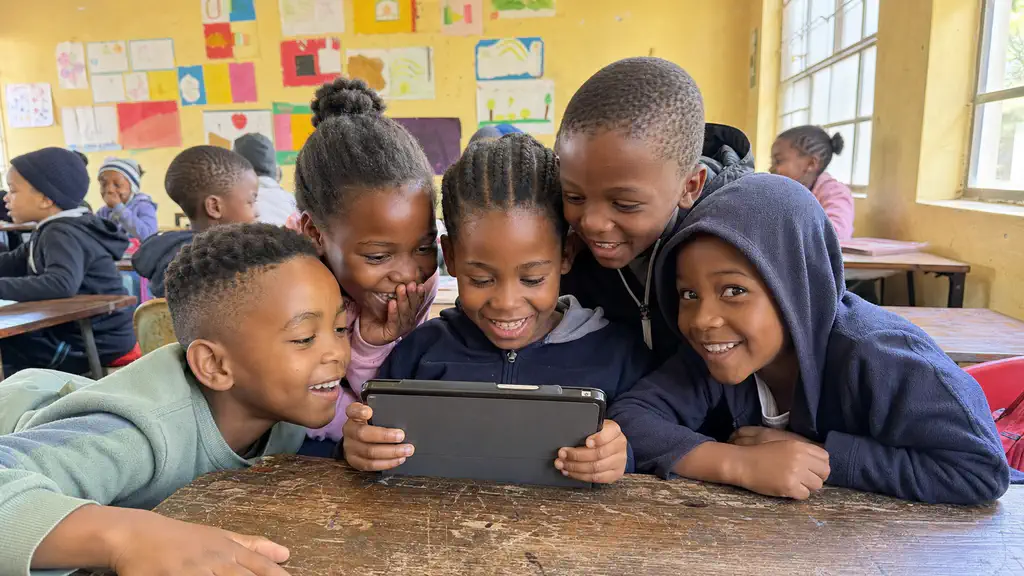
And we came away with news I have wanted to share for a while. Bookbot is going into 120 schools in South Africa, and this time we are going to measure exactly what it does.
I have not written about it until now for the most ordinary of reasons. It has been a flat-out rush ever since to get everything ready for the programme.
Three Days in Nairobi
The room was small and the ambition was not. Alongside Bookbot were two other edtech teams we were glad to share the fund with, GraphoGame and Tangerine Central, plus the partners who make a rollout like this actually happen: Laterite, a research and data firm that has been running education studies across East Africa since 2010, and Head Start, our implementation partner in South Africa.
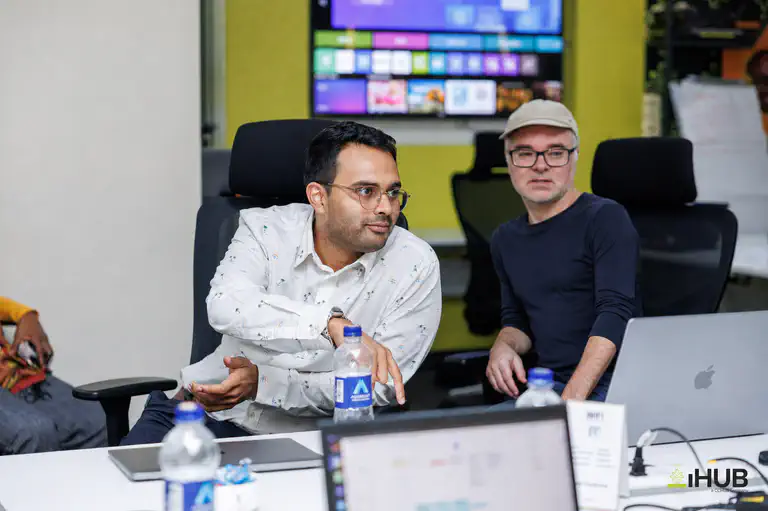
We spent the days doing the unglamorous work that decides whether a project sinks or swims. How do you get an app onto school devices that were not bought for this? What happens when the connection drops halfway through a lesson? Who trains the teachers, and what do they actually need on a Monday morning? These are not questions you solve on a video call. You solve them in a room, with the people who will be there when something breaks.
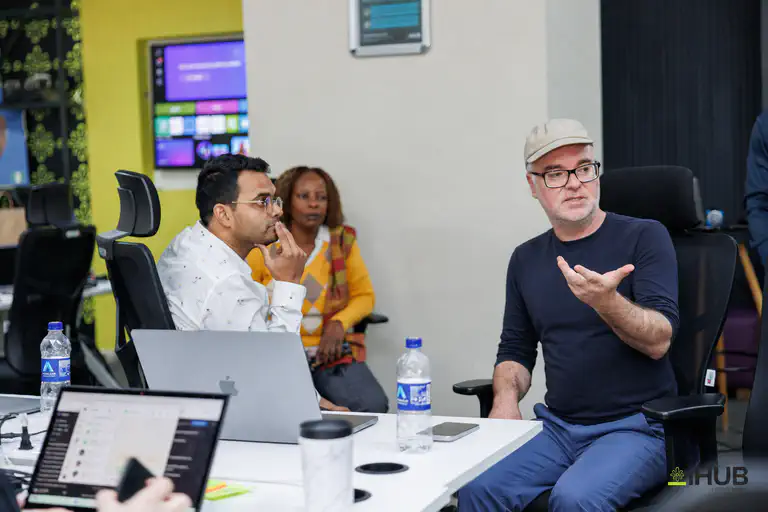
By the end, we had a shared map: who does what, in what order, and how we will know it is working.
Why 120 Schools, and Why a Study
Bookbot is already used by children around the world. So the news here is not that we are arriving. It is the scale, and the rigour.
Getting into 120 schools is a big step for a small company. But the part I care about most is the study that comes with it. Laterite will run an efficacy study, which is a careful, structured way of asking a simple question: are children who use Bookbot actually reading better, and by how much?
We have done this once before, in Indonesia. This time the question is about South African children, in South African classrooms, learning to read.
There is a nice puzzle buried in here. Bookbot is built to work offline, which is exactly what a school with patchy internet, or no internet, needs. A child can read with it all day without a single bar of signal. But a study runs on data, and the data sits on the device. So one of the real problems we chewed on in Nairobi was a deceptively simple one: how do you get a term’s worth of reading records out of a classroom that has no way to send them?
That question is easy to ask and hard to answer honestly. Plenty of education tools can show you download numbers. Far fewer can show you that a child who could not sound out a word in March can read a sentence in September. Bookbot listens as a child reads aloud, keeps them on track, and gives feedback in the moment, one child at a time, as many times as they need. A study tells us whether that daily practice adds up to real reading gains, in real classrooms, with the constraints those classrooms have.
If it does, we have evidence we can take to the next 120 schools, and the 120 after that. If parts of it do not, we would rather know early and fix them.
What’s Next
The work now moves out of the Nairobi meeting room and into South African schools. Head Start leads the ground game of getting Bookbot into classrooms, Laterite sets up the study, and our job is to make sure the app holds up on the devices and connections that real schools have, not the ones we wish they had.
None of this happens in isolation. The effort to get proven reading tools into African classrooms has real weight behind it, including support from the Gates Foundation, and it was good to spend a few days in Nairobi with people who care about the same outcome we do.
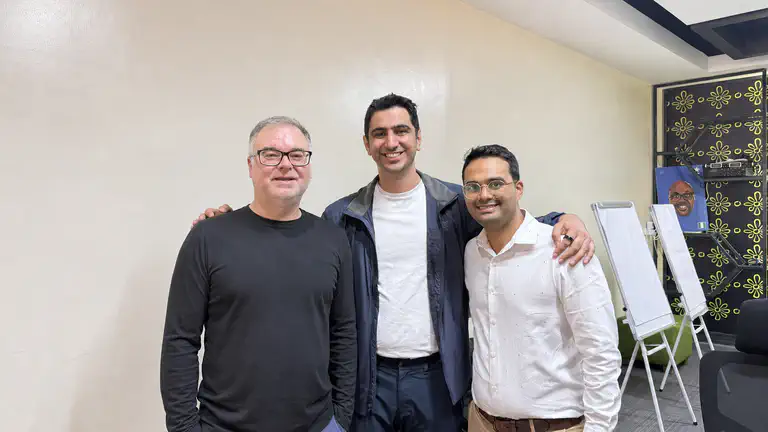
Thank you to CcHUB and the SEF team for pulling this cohort together, and to Laterite, Head Start, GraphoGame and Tangerine Central for three genuinely good days. It is a rare thing to sit in a room where everyone is pointed at the same goal: more children reading, sooner.
More soon, once the first schools are up and running. For now, it is good to have a plan and good people to build it with.