


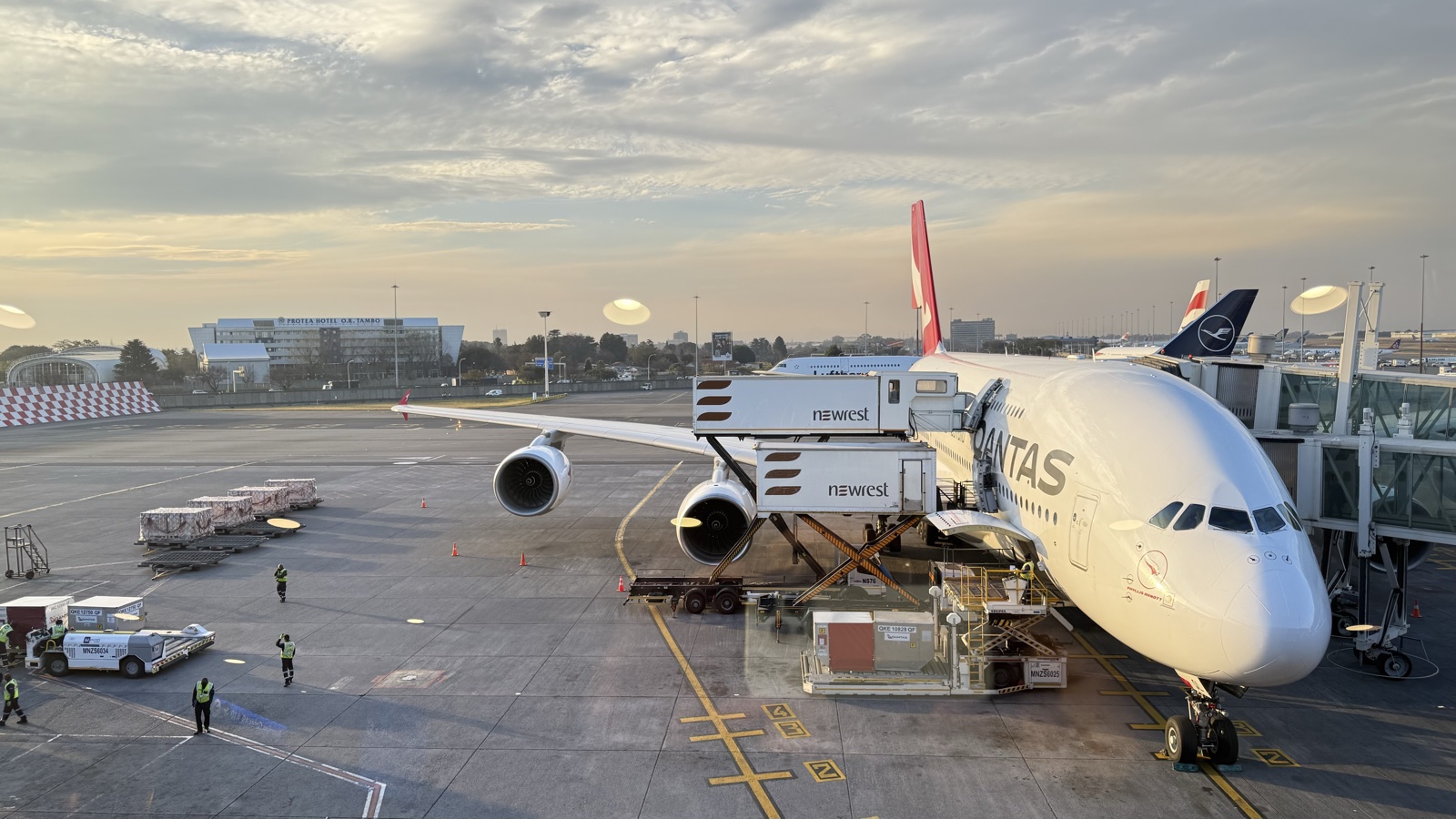

Some partnerships you only really understand once you are in the room with the people. I have just come back from a trip across Africa with the two teams we are building this next chapter with, Head Start and Project Isizwe, and I came home more convinced than when I left.
Getting Bookbot into 120 South African schools takes more than an app that works. It takes someone who can get the technology through the school gate and onto real devices, and it takes a way to get those schools online in the first place. Head Start and Project Isizwe are those two things. This is the story of why I trust them with it.
Head Start, and Why Shivad Built It
Head Start is led by Shivad Singh, and the reason it exists is worth telling.
When Shivad was starting out, Investec gave him a full academic scholarship that covered his entire university education. It is not lost on him what that did. Education is the thing that changed the shape of his life, and he can point to the exact moment someone decided to invest in him. There is family history behind it too. His great-grandfather was the first South African Indian to pass high school, back in 1925, at a time when that door was barely open. Shivad grew up knowing what it costs to be first through it, and what it gives you.
So he built Head Start to hand that same chance to as many children as possible. The company has been called the “Netflix for Education”, and it works as a gateway to Africa for the best education technology in the world, getting proven apps onto school devices, training the teachers who use them, and sorting out the unglamorous plumbing of data and devices that decides whether any of it survives contact with a real classroom. For Bookbot, Head Start is the partner on the ground making the rollout actually happen.
The Connectivity Problem Project Isizwe Solves
There is a number that stops you when you first hear it. More than 16,000 schools in South Africa have no internet access at all. Not slow internet. None. Across sub-Saharan Africa the picture is starker still, with roughly nine in ten children unconnected at home.
Bookbot was built for exactly this world. It works fully offline, so a child can read with it all day without a single bar of signal. But connectivity still matters for everything around the reading itself: getting content and updates onto devices, letting teachers see how their class is doing, and, further out, opening up the wider promise of what technology can do in a school. A classroom that is completely dark to the internet is a classroom cut off from a lot of that.
This is the gap Project Isizwe exists to close. Shireen Powell, its CEO, and Gabby Powell, its Marketing and Communications Lead, are behind a mission that is simple and stubborn: meaningful, affordable and sustainable connectivity for underserved schools and communities in rural areas and townships. They have built a model that gets schools online and keeps them online, and Shireen is leading a push to connect those 16,000-plus schools that currently have nothing. Sitting with them, you get the sense of people who have decided that “no internet” is not a fact of life but a problem with an address.
Visiting the Schools
Shivad and I spent days going from school to school, and they were nothing alike. Different buildings, different resources, different amounts of everything except the thing that mattered.
One of them was a Bridge International Academies school. Bridge builds and runs low-cost schools in some of the most marginalised communities in East Africa, hundreds of them, reaching well over a hundred thousand children, and what struck me was the sheer commitment to getting education to children who might otherwise have none. Their teachers were the highlight. Standing in a classroom with them, you stop thinking about models and logistics and remember what the whole thing is for.
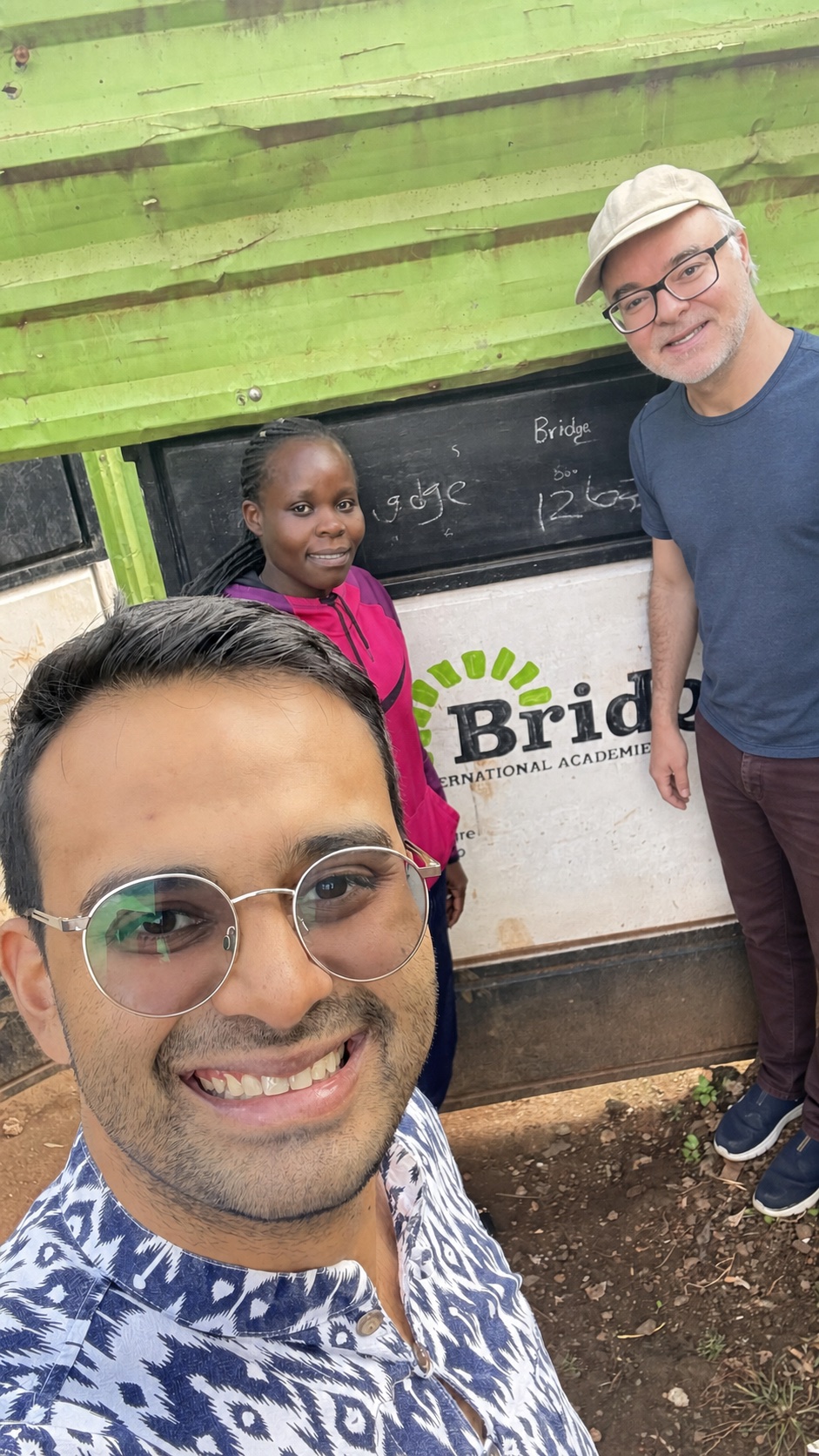
Every school we walked into sharpened the same conviction: the children are ready, the teachers are extraordinary, and the missing pieces are the ones we can actually help supply.
Building a Model to Accelerate
That is what this partnership is really about. On their own, each piece is useful. Together they start to look like a repeatable way to reach schools that the usual routes never get to. Bookbot brings the reading practice. Head Start gets it into classrooms and behind the teachers who deliver it. Project Isizwe brings the connectivity that widens what any of it can do.
We are not just trying to reach more schools. We are trying to build a model for reaching them, one we can run again and again, so that “the next 120 schools” stops being a stretch goal and becomes a routine.
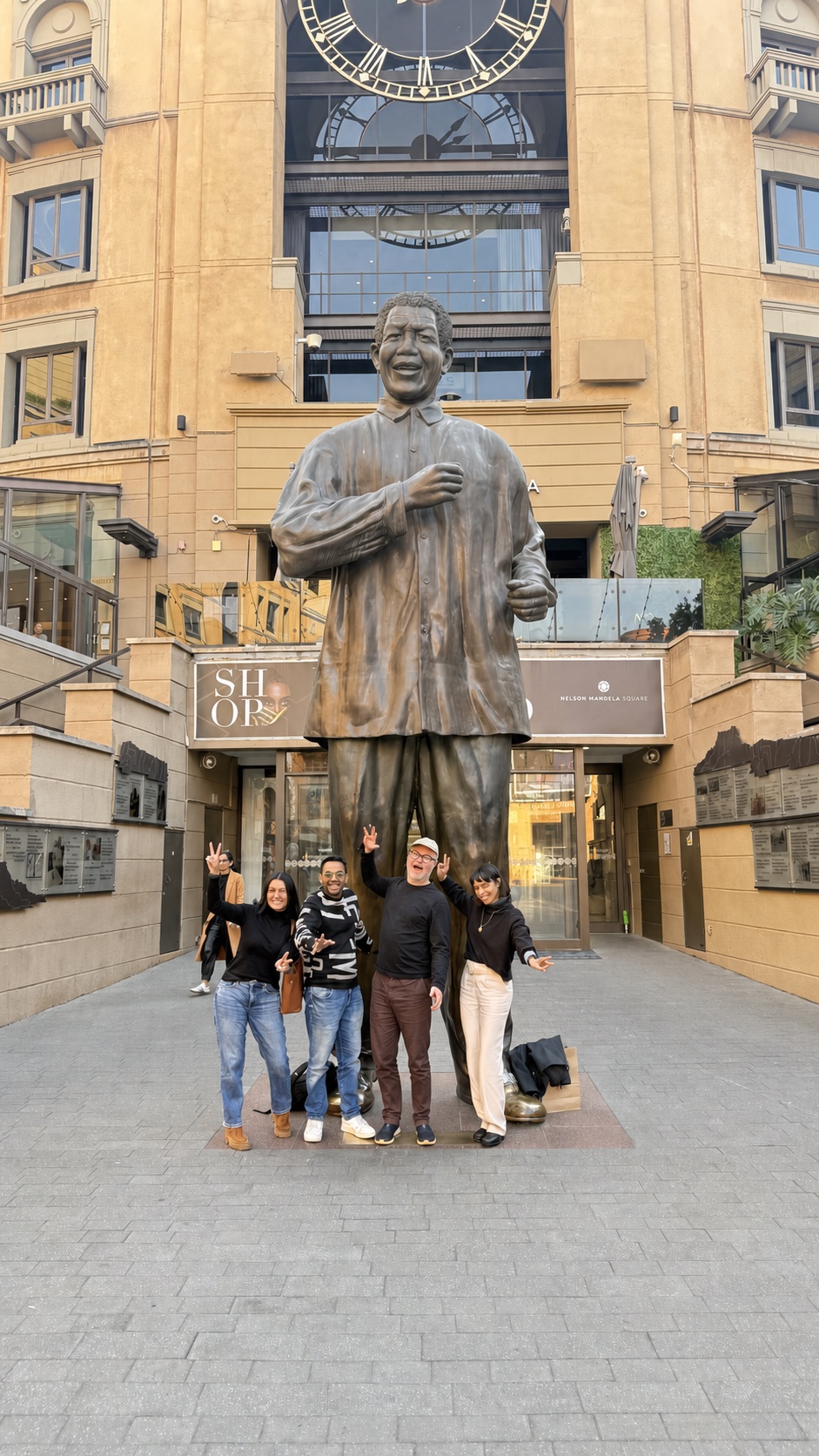
There is a long way to go, and I would rather be honest about that than tidy it up. But it was an inspiring trip, and I came back sure of the people. On our last day in Johannesburg we stopped at Nelson Mandela Square, under the statue of a man who spent his life on the belief that education is the most powerful weapon you can use to change the world. It felt like the right place to end up.
More soon, as the first schools come online.