


Turn! (V/V syllable division)
 Adapted from "The World Without Wheels" by Aniek Wijaya and Rama Indra. Licensed under CC BY 4.0.
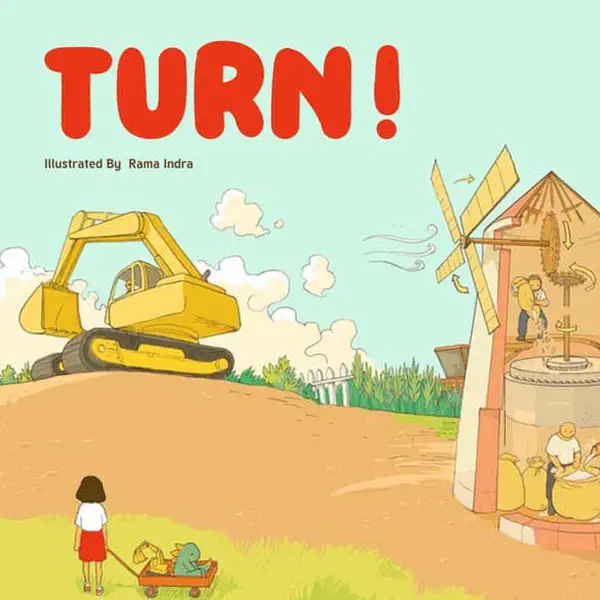
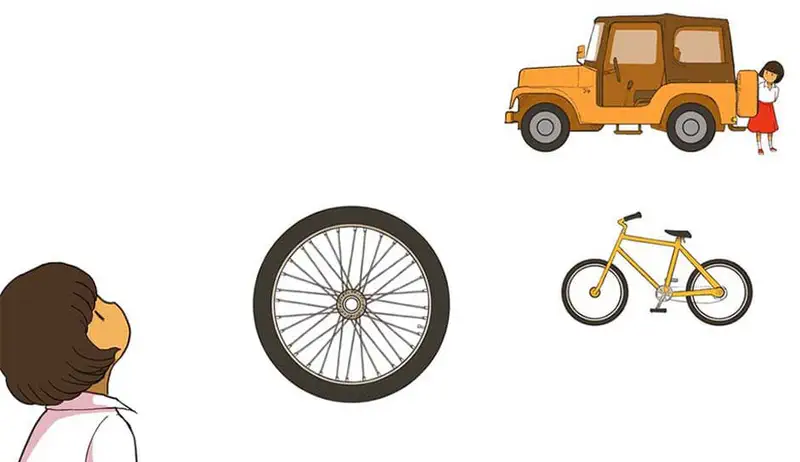
There are a lot of things in our world that have wheels. They make machines work. Different kinds of wheels are made for different jobs.
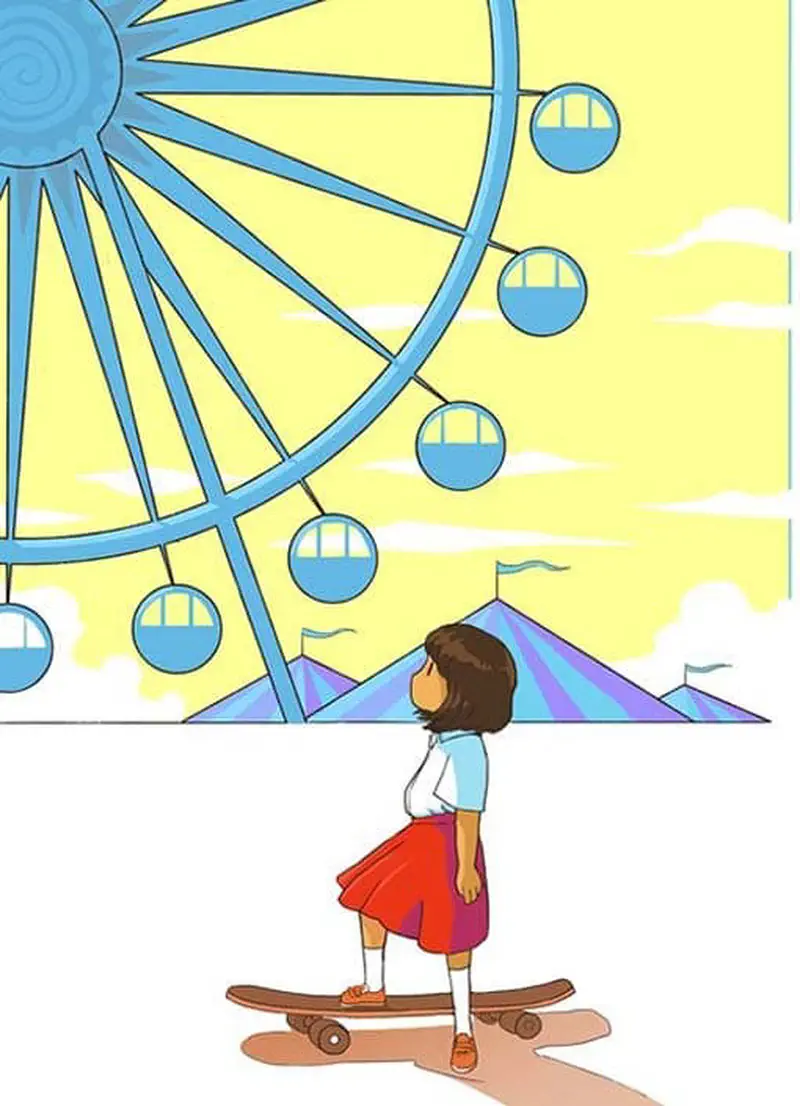
Some wheels, like the ones on her skateboard, are small. Some wheels are very large, like the giant ferris wheel behind her.
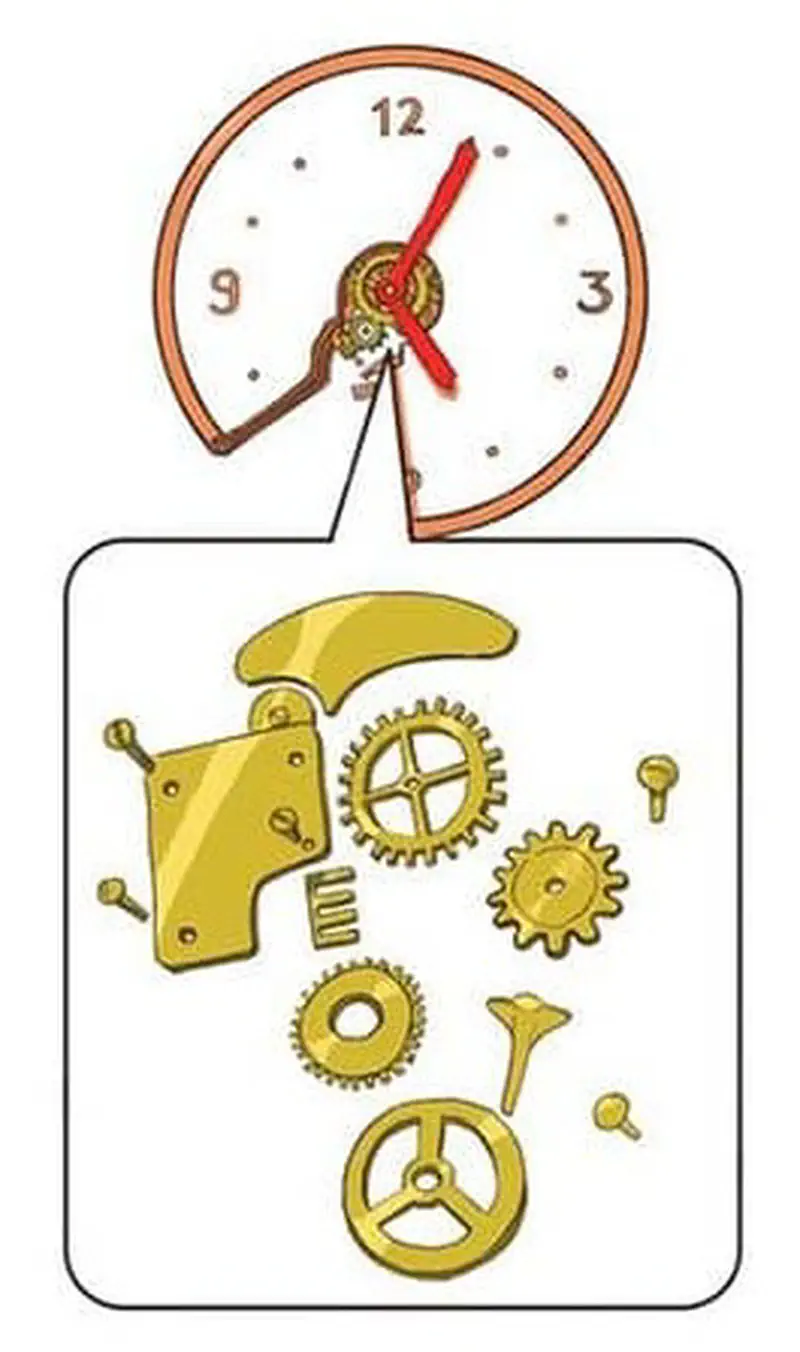
Clocks have a lot of small wheels in them. They allow the clock to keep the time. They also move the hands so that we can read the time.
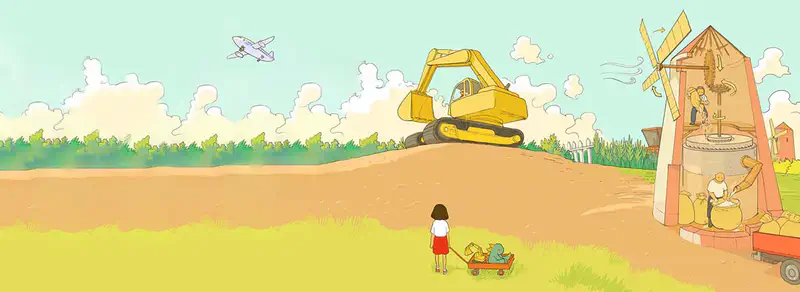
If you have a look at work sites and farms, you will see a lot of wheels. There are wheels that allow this digger to move. There are wheels inside the silo.
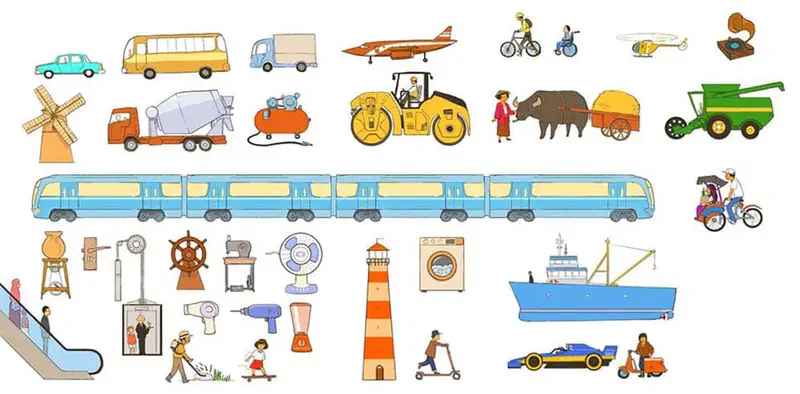
There are wheels all over the world. They are in the house. They are in forms of transport. They help us get jobs done and move from spot to spot.
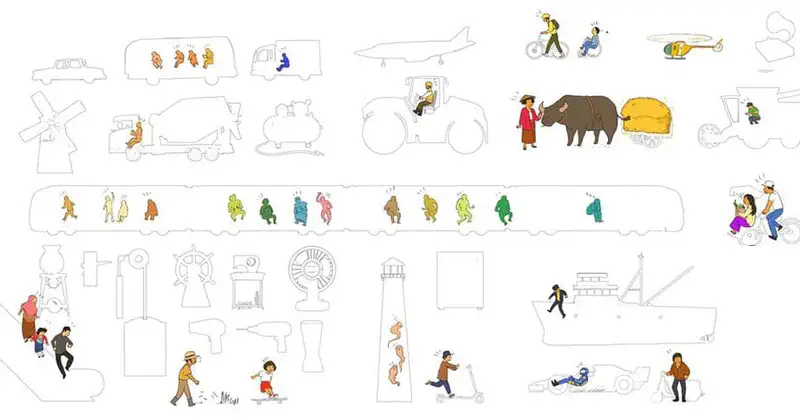
If we had no wheels, what would life be like? Could we still get our work done and move from place to place, or would the world be in ruins?
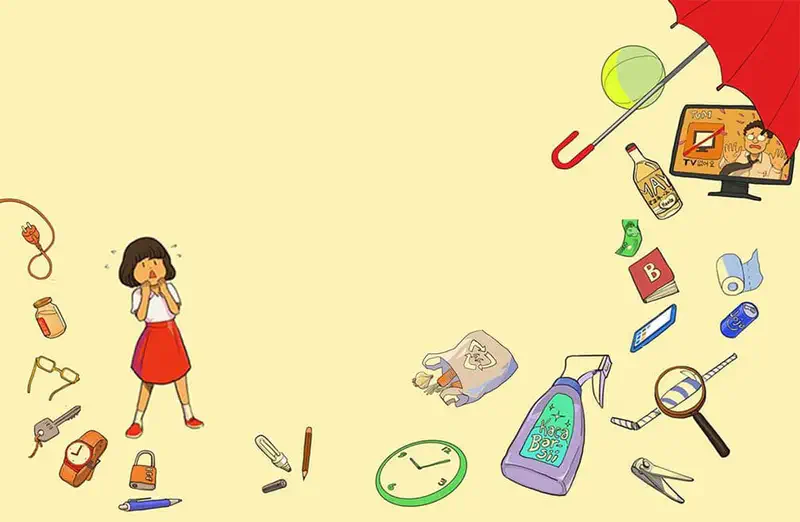
There are a lot of things made in factories that we would have to go without. Factories need wheels to turn out products like these ones.
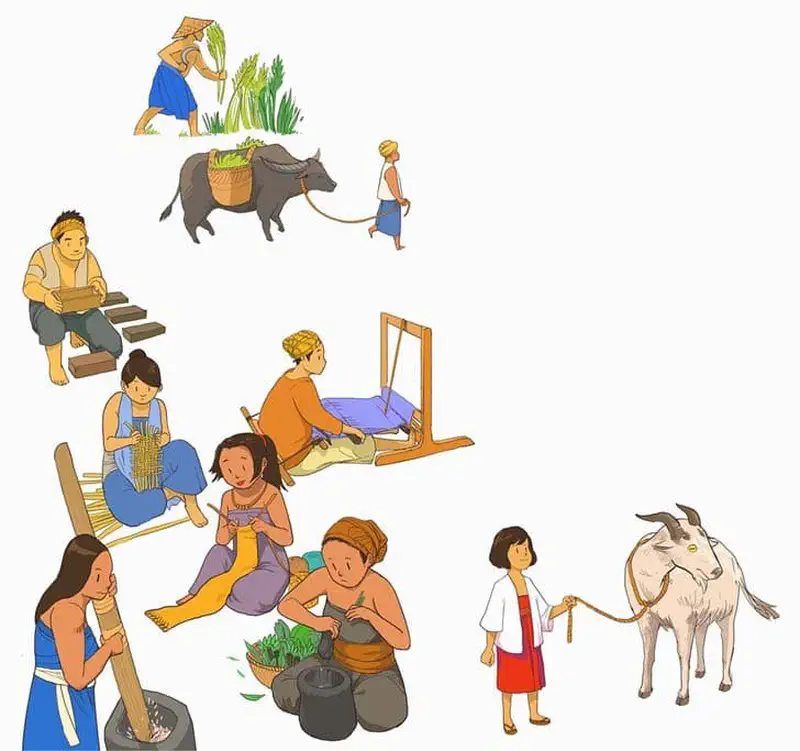
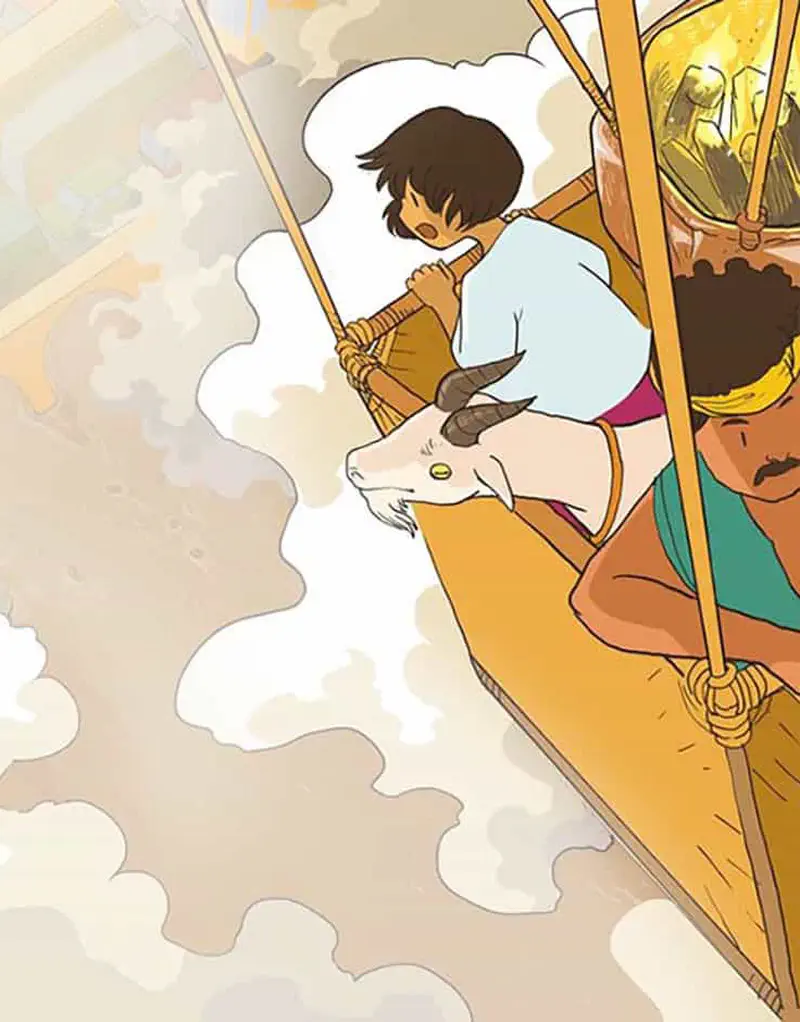
We would have to make all of our food and clothing by hand. We would have to use what we can grow, so we would have a different diet. Animals would be the main way to move goods from town to town.
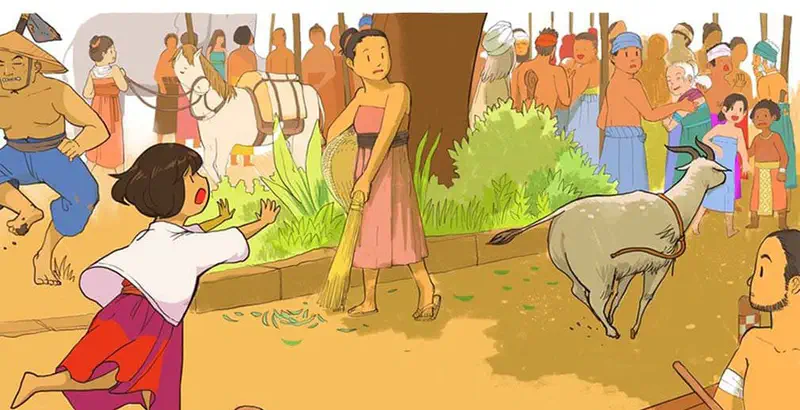
While it might sound fun, it can be hard to work with animals all of the time. Sometimes they do not want to do what we say.
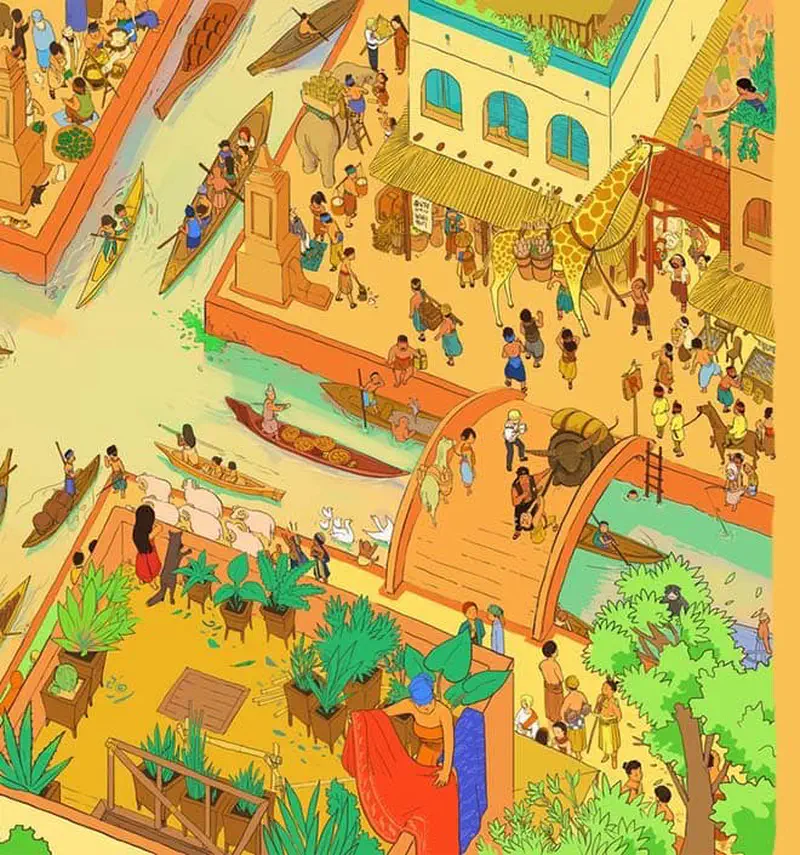
We would have to go back to the ways that things used to be. It would be best to live by rivers so that we could use small boats for trade.
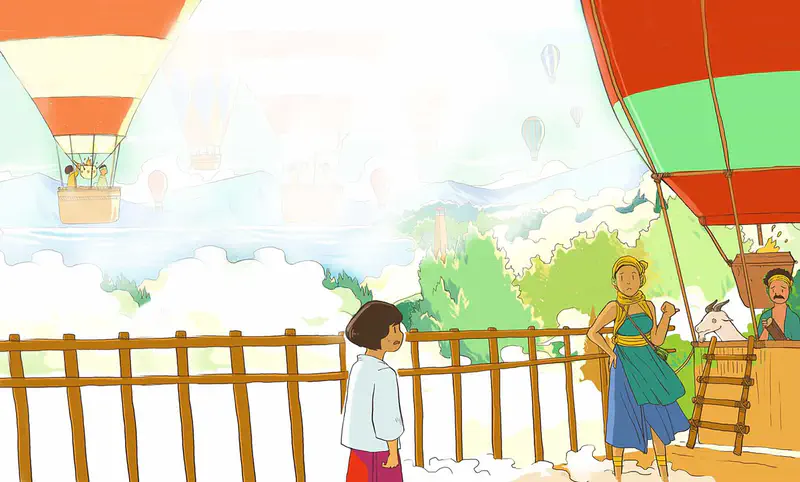
There are a lot of things we would have to do without, but not everything would be a trial. There are some things that do not have wheels.
If we did not have machines, a lot of pollution would start to go away. It would take a long time to break down, but the world would be in better health.
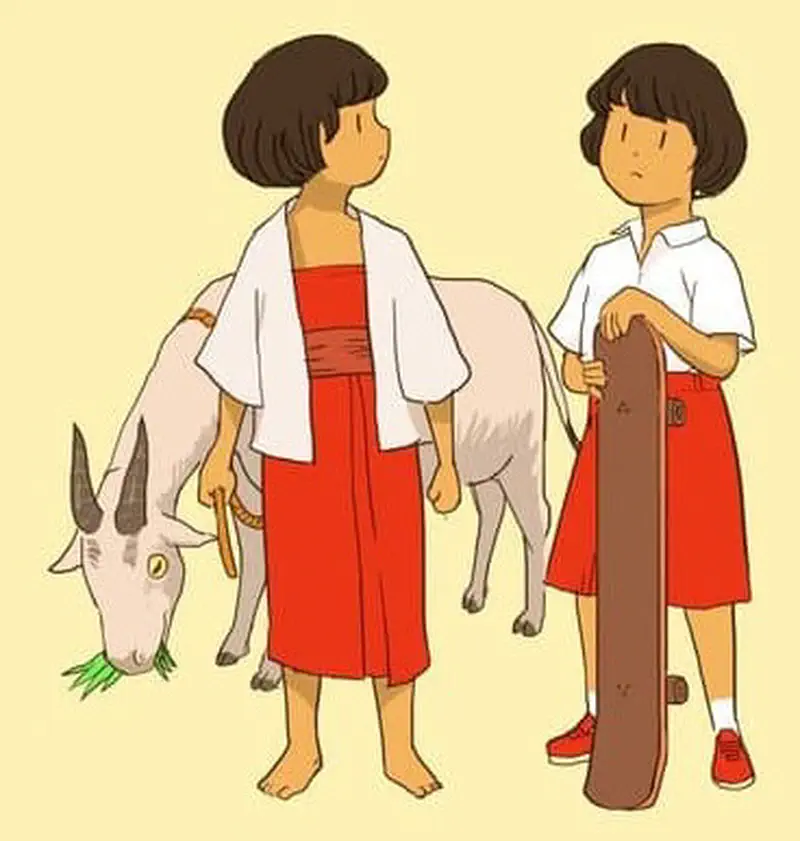
Which way would you like to live? With wheels or without? There are pros and cons to both ways of living.