


Roar Roar Dinosaurs (3+ syllables)
 Licensed under CC BY 4.0.
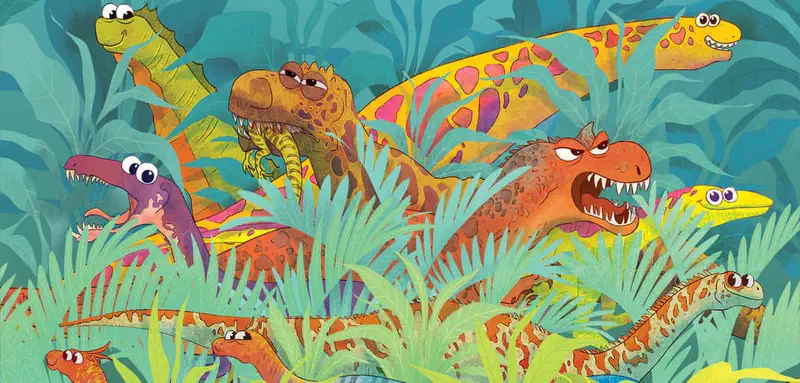
Roar! Dinosaurs! We have learnt a lot from fossils. They have helped us to guess at the ways that different dinosaurs acted. The more fossils that we find, the more accurate our thinking becomes.
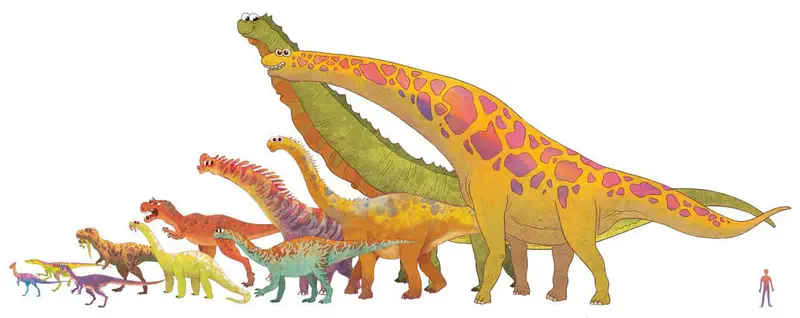
We live in an amazing time for fossil hunting. There has been a big boom in our understanding of dinosaurs and the ways that they led their lives. We can also connect the ways that animals live today with the bodies of dinosaurs to pinpoint how they might have lived.
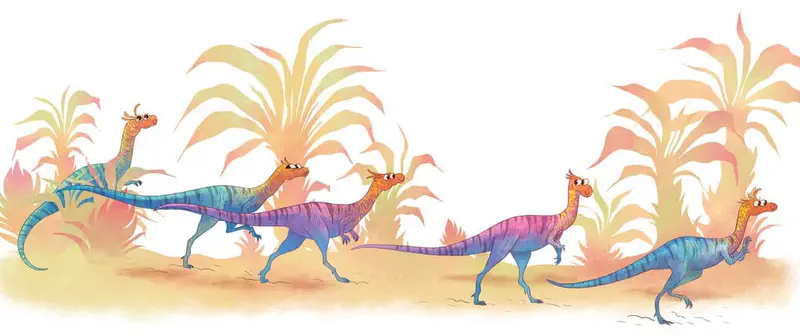
We have found out that some dinosaurs lived and hunted in packs. We can tell this because we have found nests full of bones from different individuals but the same type of dinosaur. They may have worked together the way that predators like hyenas do.
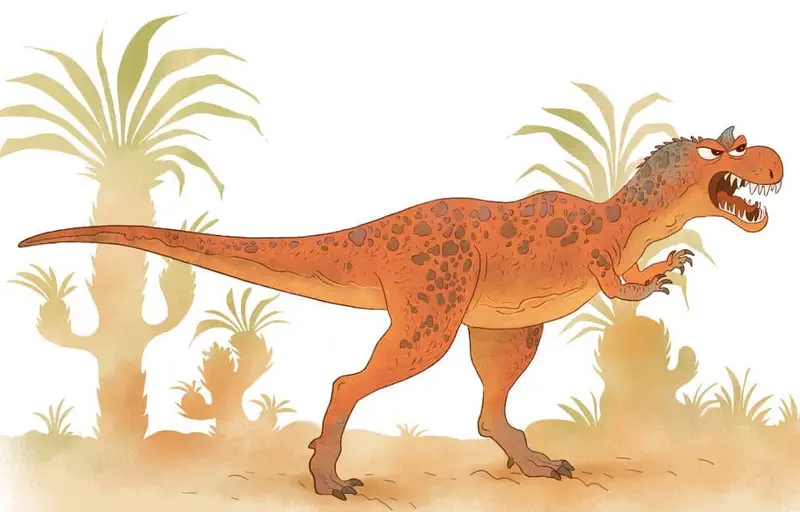
Some preferred to hunt alone. We can get clues from a dinosaur's teeth and bones about what sort of diet they had. Carnivores' mouths are full of teeth that rip and tear. They don't need any of the flat, grinding teeth that herbivores use to chew on plants.
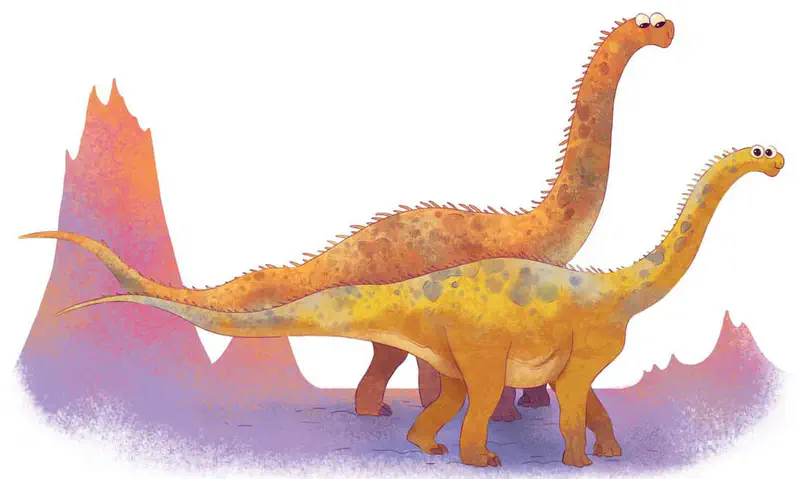
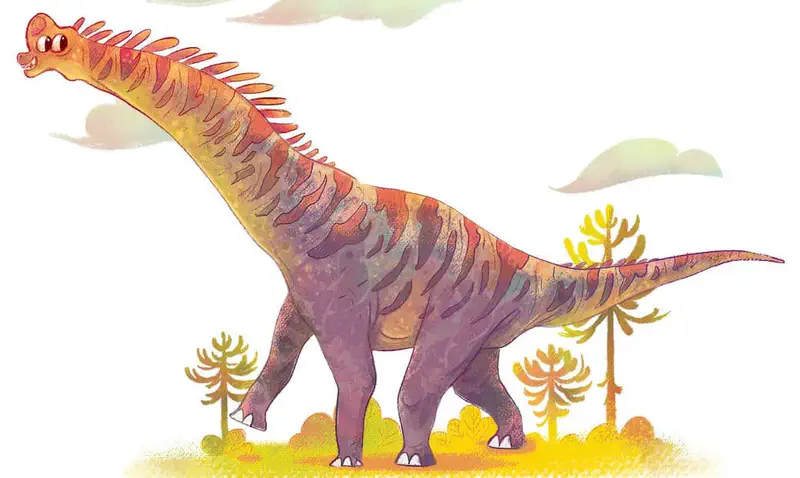
The color of a dinosaur's skin is something that we have guessed at. This is because of how fossils form and how different parts of the body rot over time. Dinosaurs lived such a long time ago. Not all of them became fossils. We have found impressions of skin but no actual skin samples.
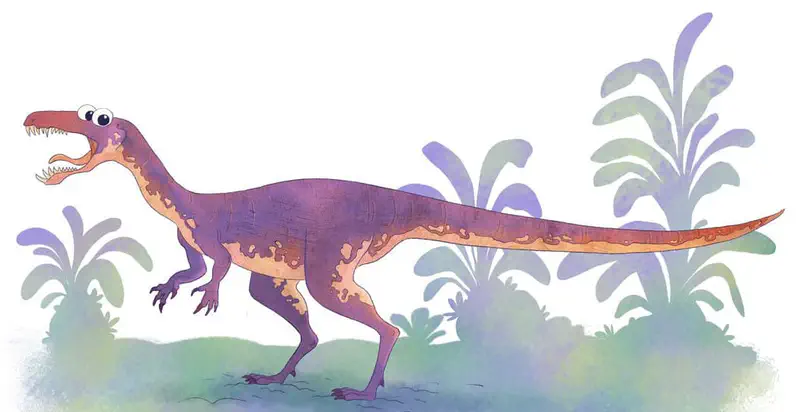
We used to think that theropod dinosaurs looked like this. However, we now understand that dinosaurs like T-rex and velociraptor had feathers. We can tell this from a line around their bodies in fossils where the feathers rotted away. Theropod dinosaurs got smaller over time and started to be able to fly. Over millions of years, they evolved into birds. Even chickens come from dinosaurs!
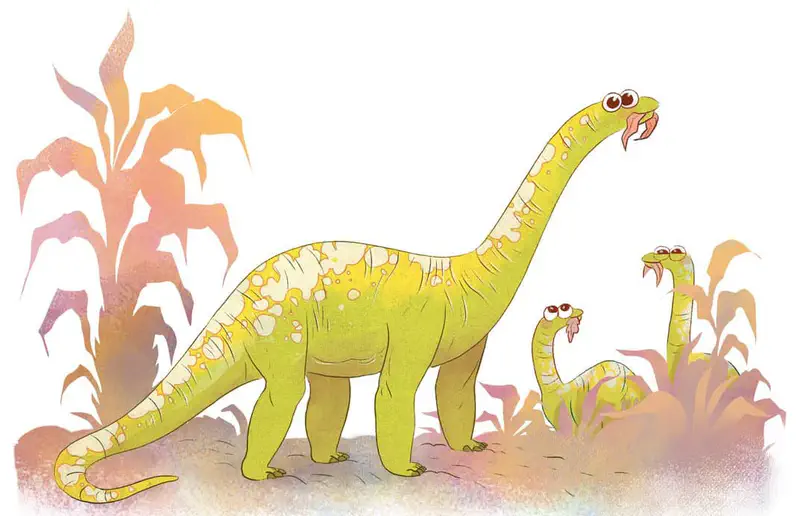
We can even get a sense of how some dinosaurs raised their young. Animals today vary a lot when it comes to looking after their babies. It was no different for the dinosaurs. We understand more about how plant-eating dinosaurs raised their young because there were a lot of them.
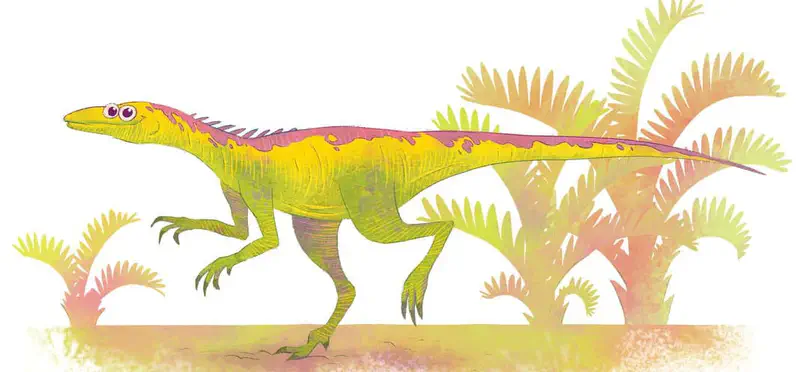
From a dinosaur's bones, we can make some educated guesses about the way that it moved. We can do this from clues in the bones with regard to how much weight they could hold on their limbs and also from footprints that have been preserved.
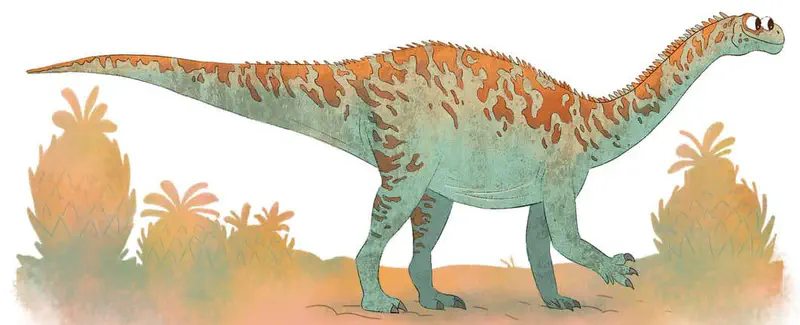
Some were able to walk on all four legs or stand up on their hind legs and use their front legs to manipulate objects. They could have grasped things. They could have defended themselves. It would have been very useful.
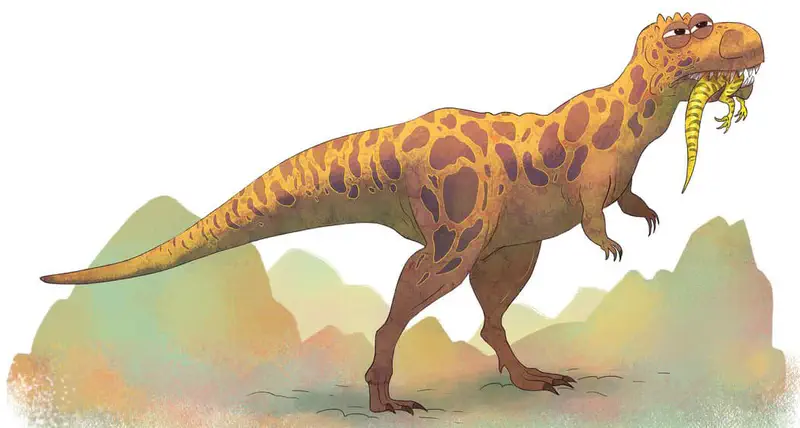
Some dinosaurs had funny parts, like the short arms on a T-rex. For a while we thought that these limbs were vestigial, which means that they were of less and less use over time as this animal evolved. However, these arms still helped T-rex to cling onto prey and mates to some degree.
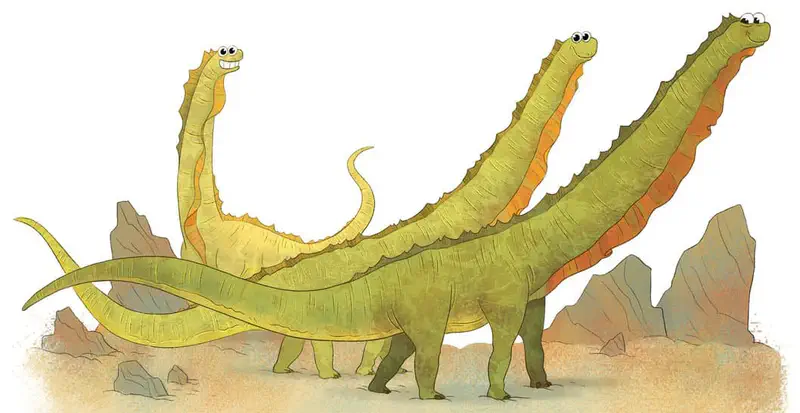
We need to remember that our understanding of dinosaurs is always changing. The more research that we do and fossils that we find, the more we can confirm different theories that have been put forward. It is so cool to live in the best time so far to understand dinosaurs!
Give a roar for dinosaurs! They were such amazing creatures, and an important part of our planet's history. Learning about dinosaurs is not just fun, it also helps us to advance the way that we understand evolution and the ways that our world changes.