


Insects! (Prefix)
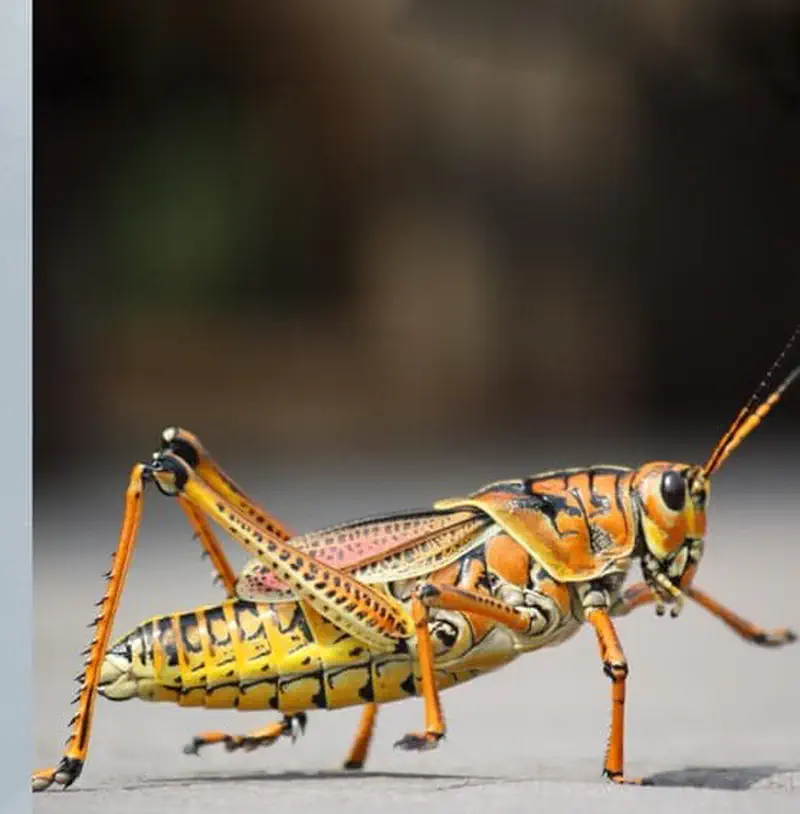
A grasshopper is an insect. It lives on the ground but can spring up high with its strong back legs. They also have wings for flying.
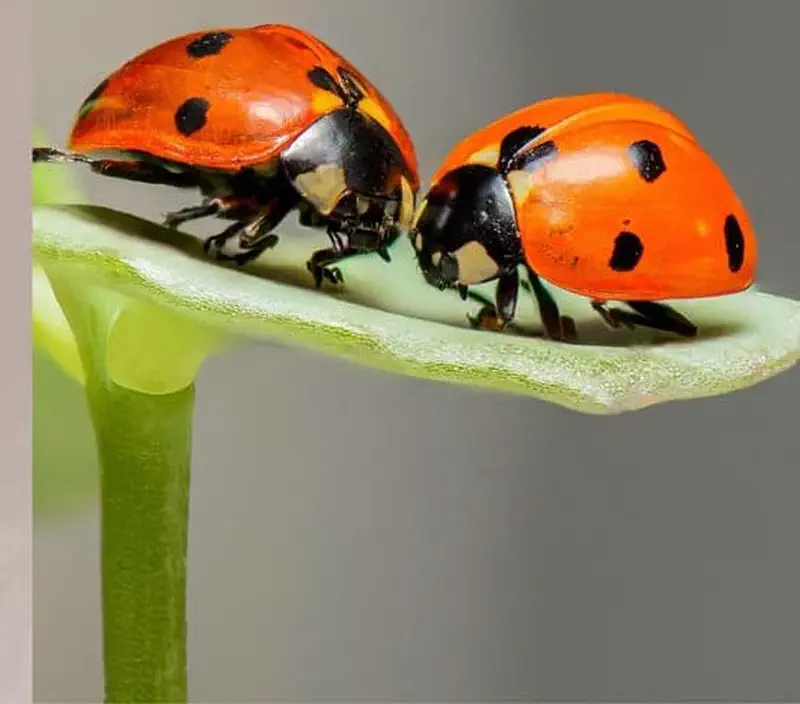
Ladybugs are insects. They are also called ladybirds and lady beetles. They have wings under their red and black shells. They are useful on farms as they prey on pests that are bad for crops.
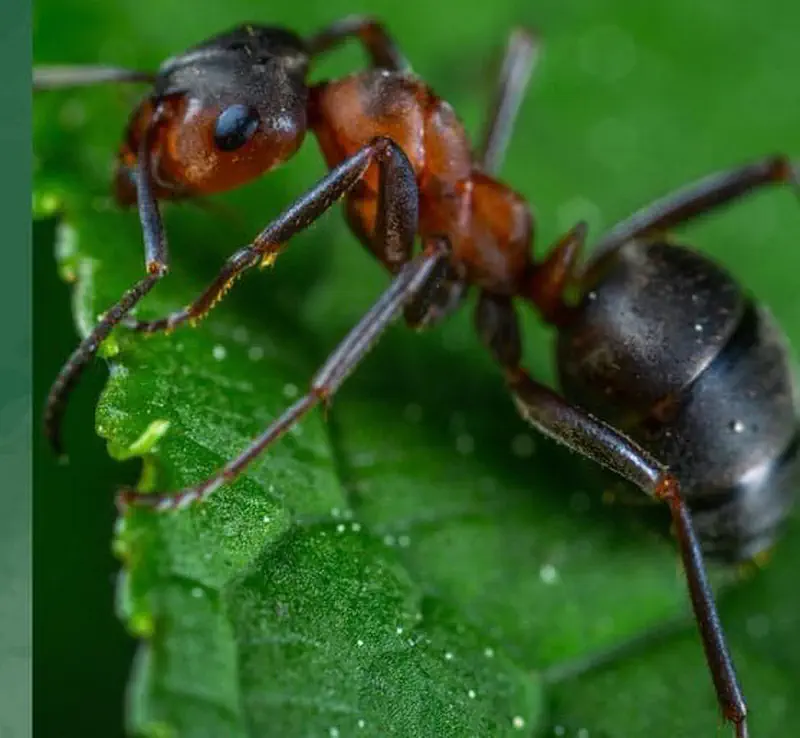
Ants are insects. We have named over thirteen thousand types of ants! Ants have roles in the nest, like being workers or soldiers.
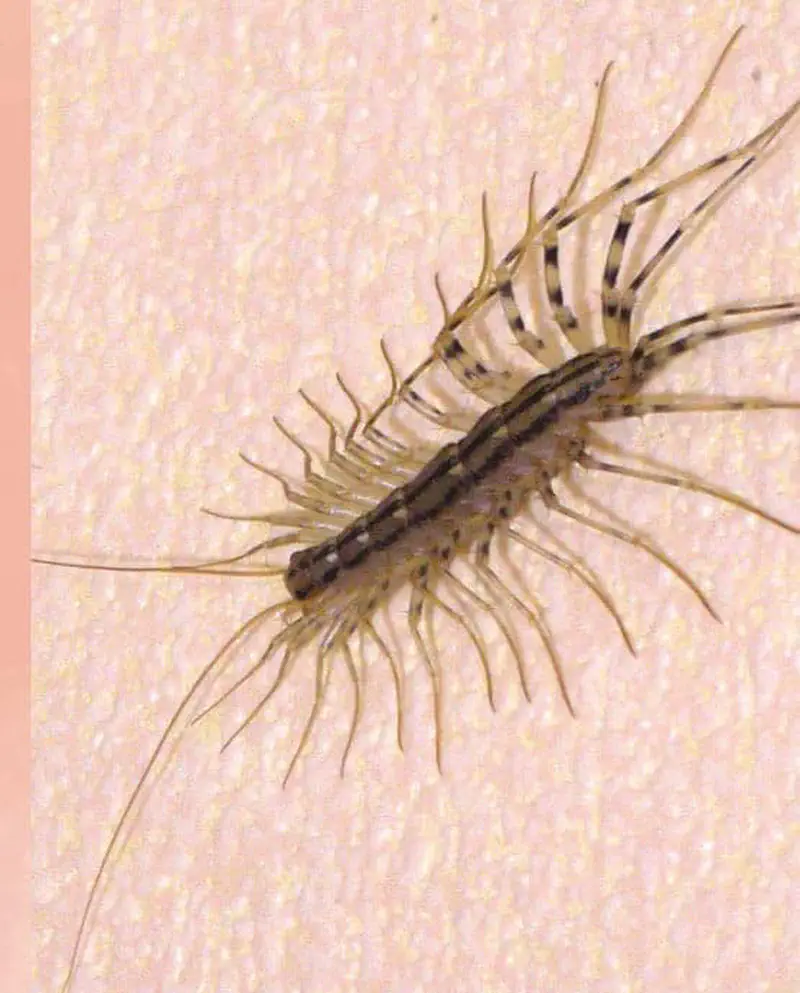
A house centipede is not an insect. It has too many legs. An insect only has six. A house centipede has up to fifteen sets of legs.
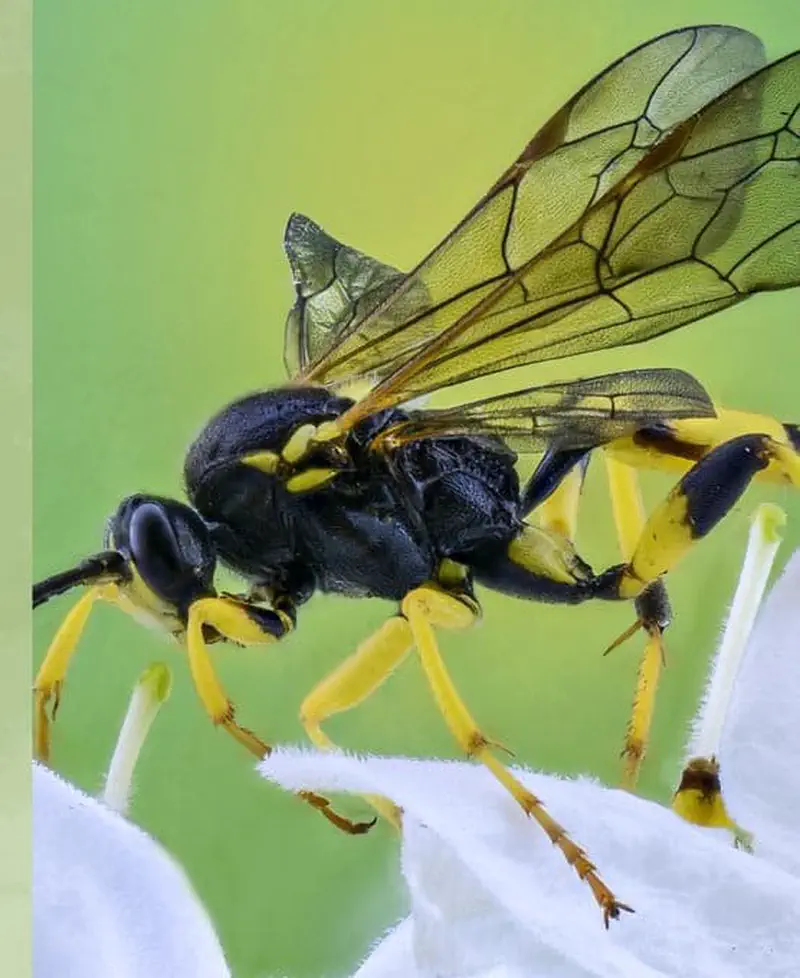
A wasp is an insect. They first appeared during the Jurassic era. Some kinds of wasps are social and like to be around other wasps. Others prefer to be alone.
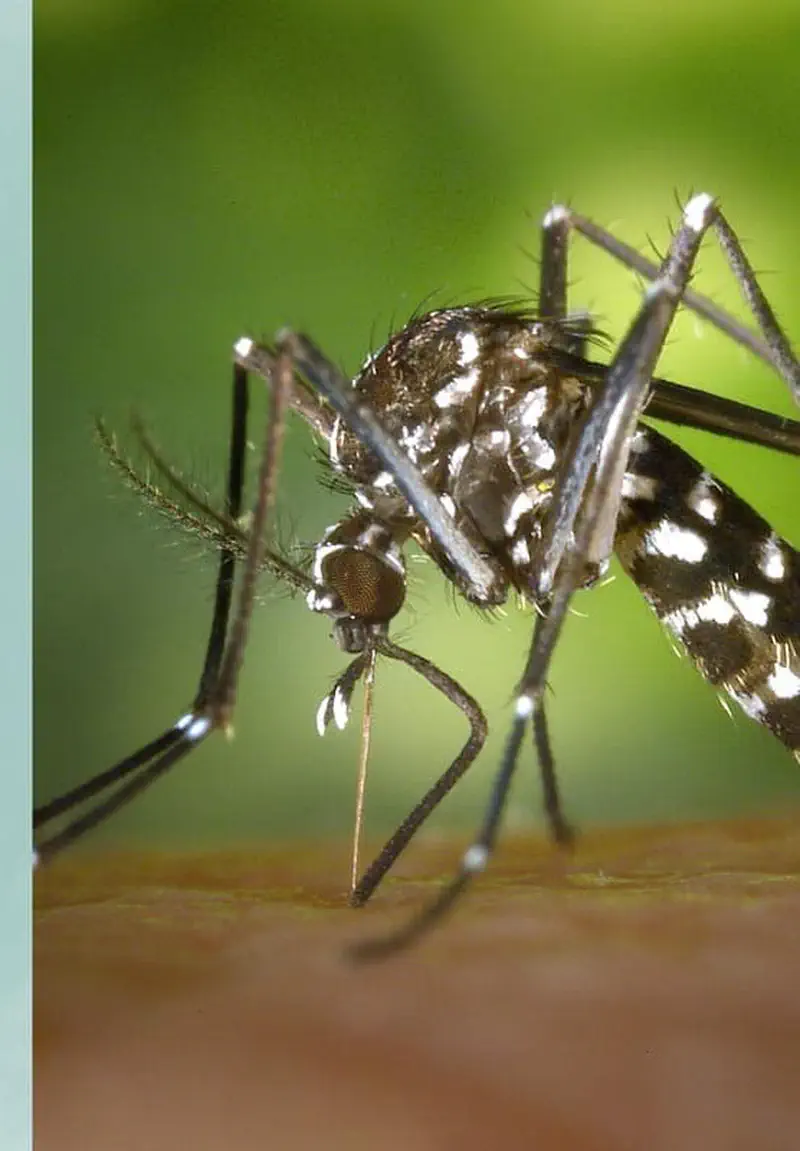
A mosquito is an insect. Both males and females eat nectar and plant sap. When the females drink blood, they can make eggs. Some kinds of mosquitos only get this 'blood meal' from one group of animals while others will suck blood from any animal that they find.
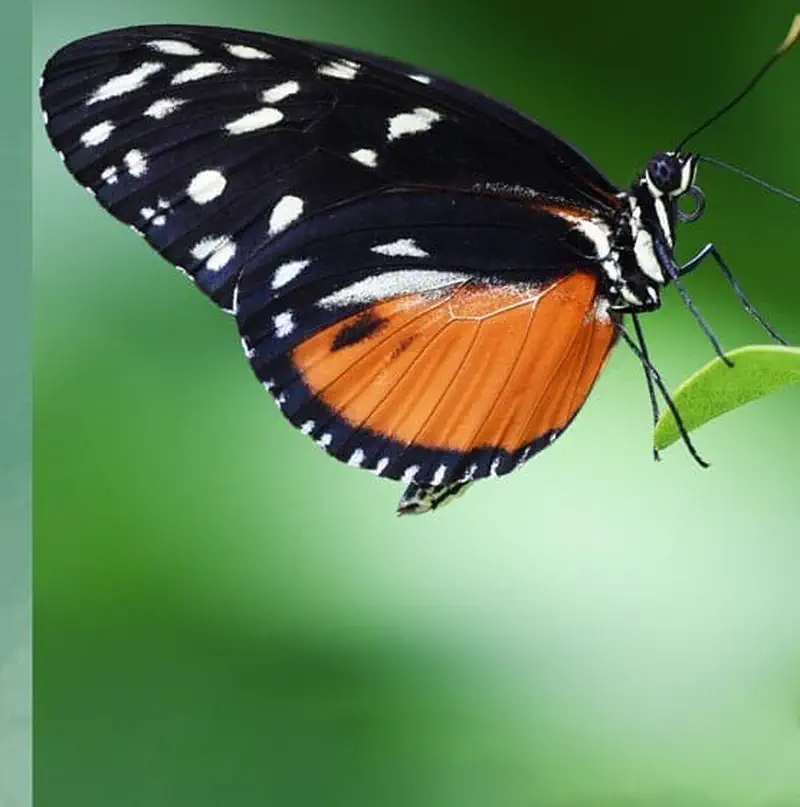
A butterfly is an insect. When it first comes out of the cocoon, its wings are not ready to fly. It pumps fluid into its wings as the outside of the wings dry. The wings get bigger and allow it to take flight.
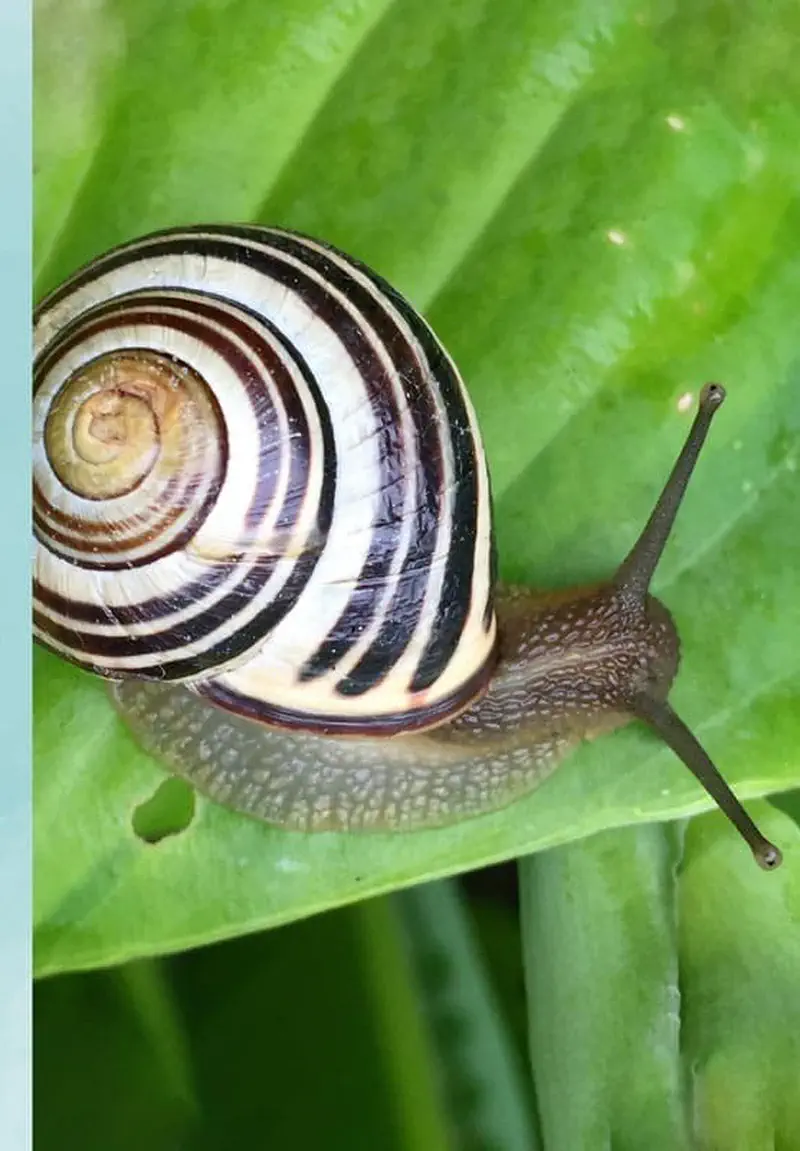
A snail is not an insect. Insects have six legs. A snail only has one foot. This is the whole underside of its body. This foot is very strong. The muscles in this foot allow the snail to move.
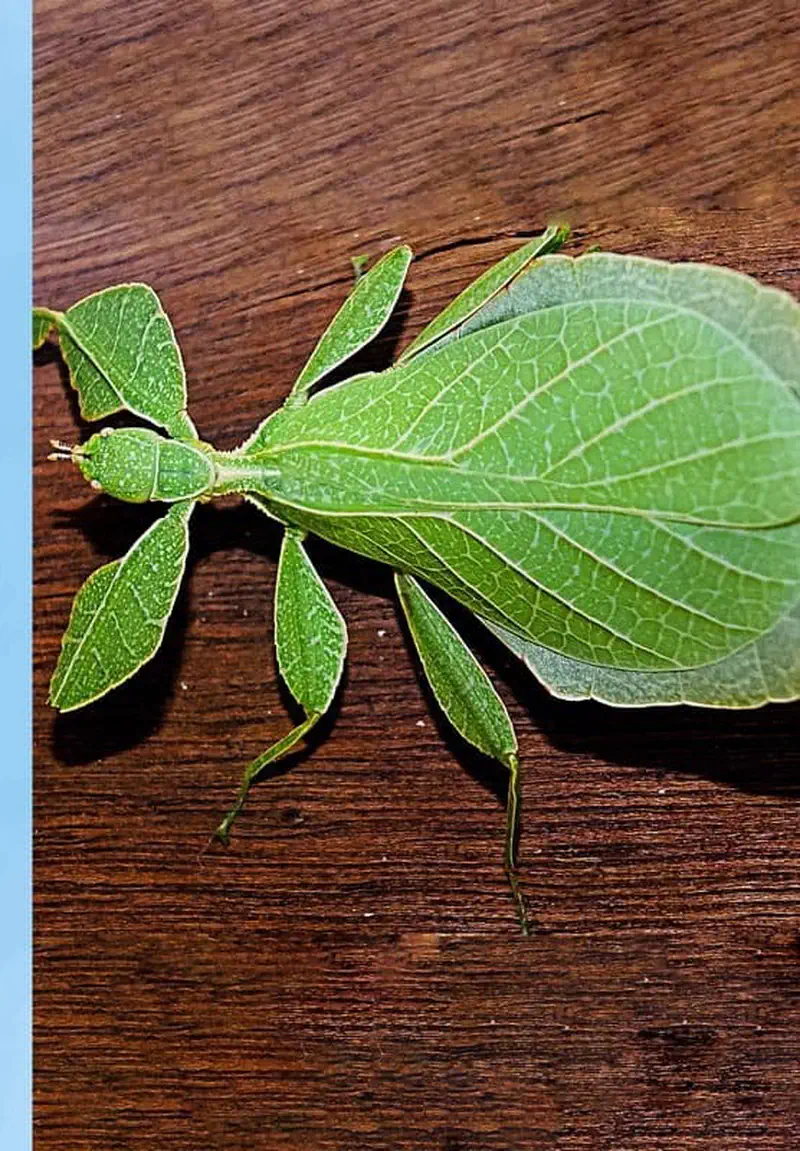
A leaf insect is... an insect! Its body looks so much like leaves that birds look past it when they are hunting for a snack. It is often called the 'walking leaf'.
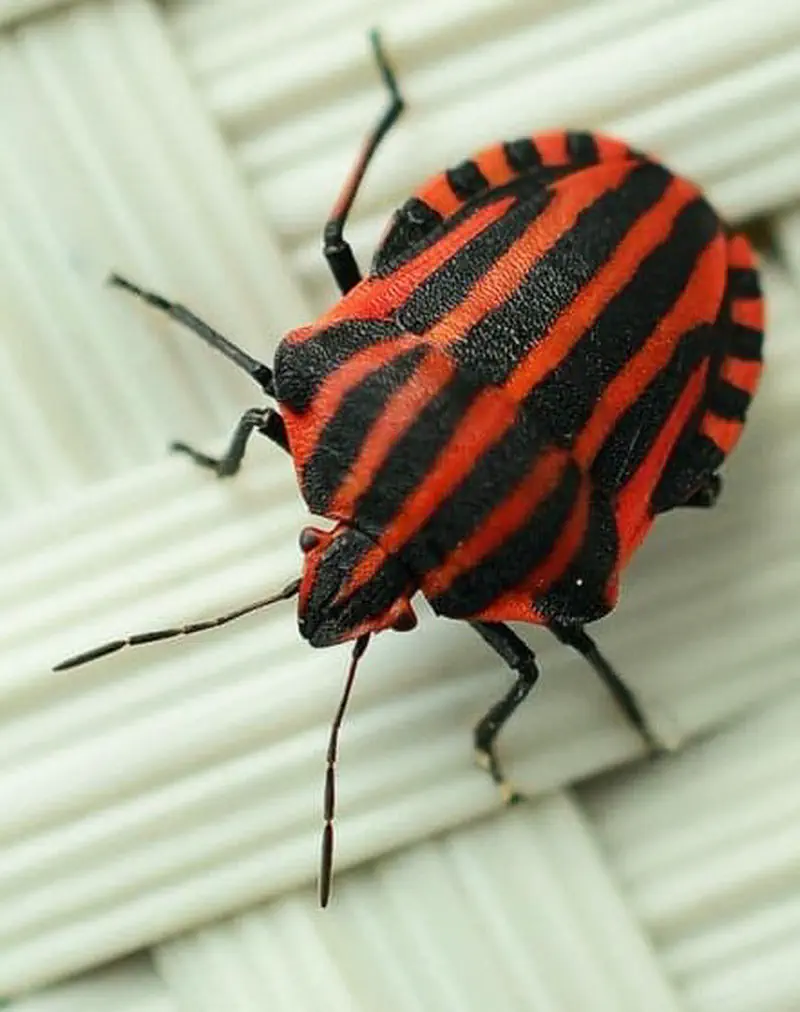
A stink bug is an insect. The bad smell that it makes lets it defend itself. If an animal tries to eat it, it can spray the gross smell. The animal will likely leave this smelly bug alone after that.
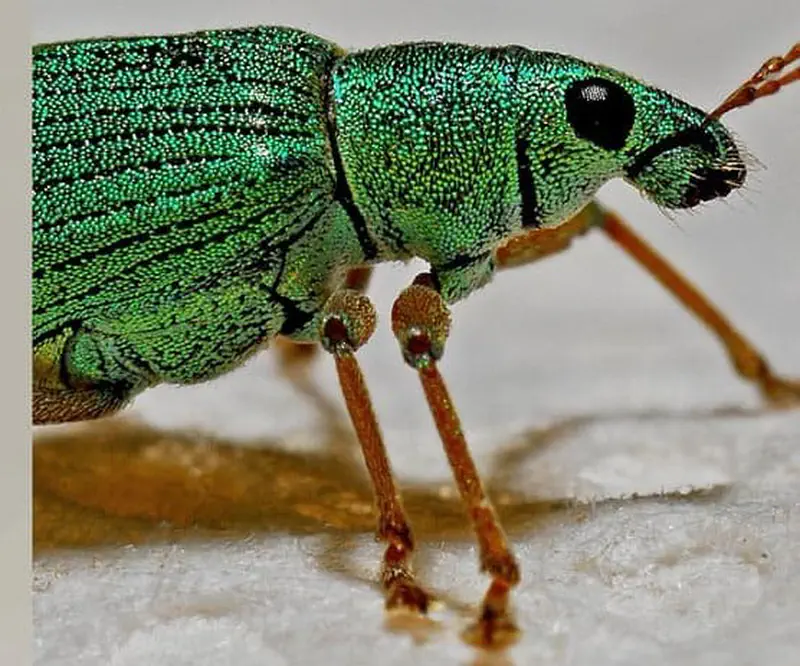
A weevil is an insect. They get into our cupboards and go through all of the food. They often come into the house in a packet of flour from the shop. From there, they can infest the rest of the food.
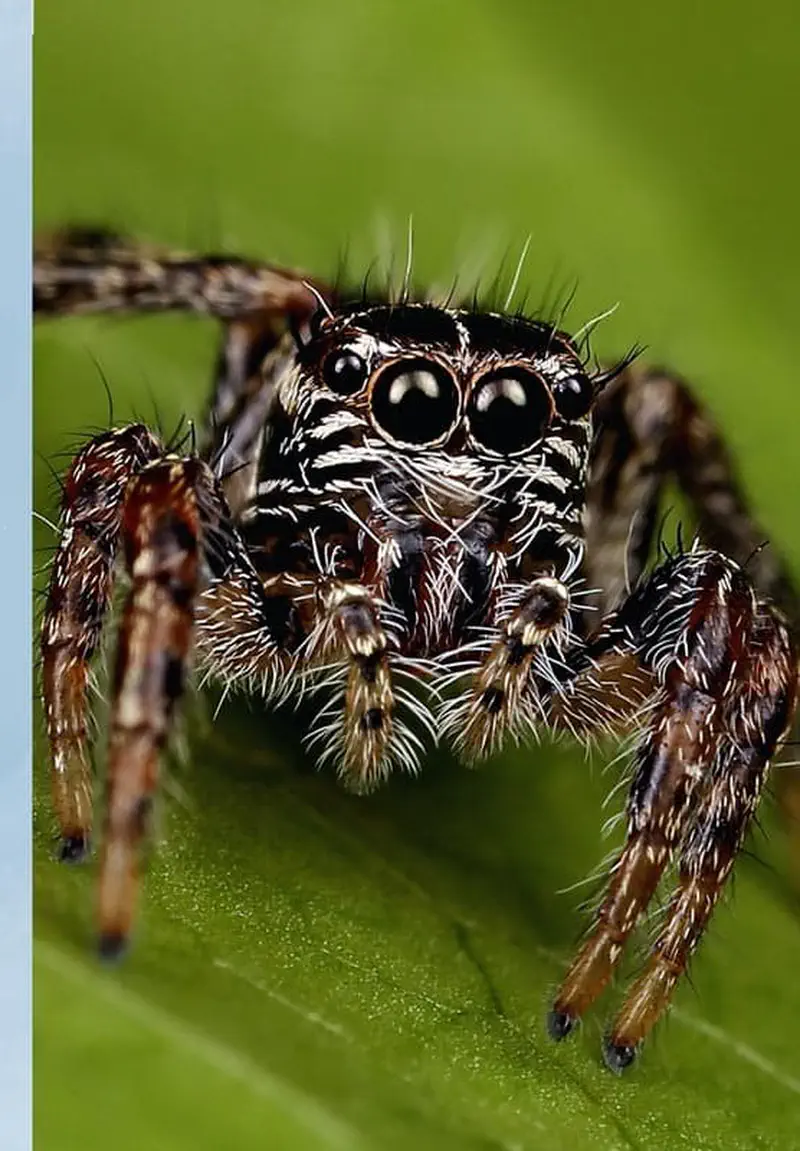
A spider is not an insect. It is in a different animal family. Scorpions are also in this family, as are ticks and mites. A jumping spider like this one is only three to ten millimeters in size, but it can jump up to 160 millimeters!