


Dragons of Europe! (Soft c)
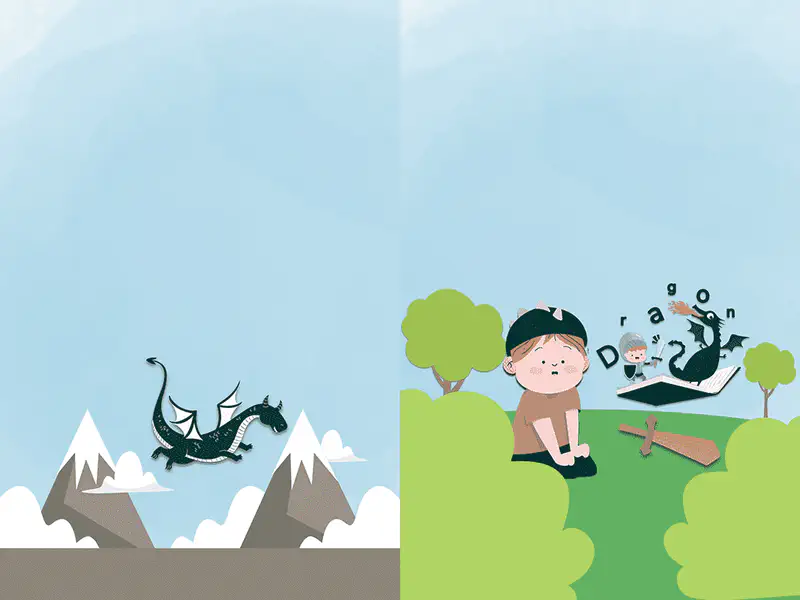
Tales involving dragons have been told around the world all through history. In this book, we will be looking at dragon stories that originated or are popular in Europe. These dragons have a lot of similarities, and their tales can tell us something about how people saw the world through the years. We see European-style dragons in a lot of movies, books and games. They have some amazing stories behind how they came to be, what they did and, sometimes, how they were slain.
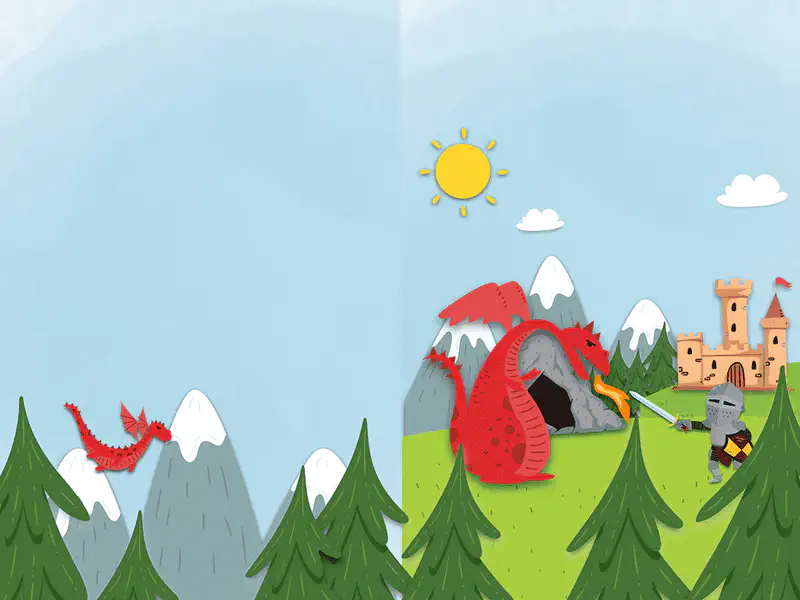
Most of the dragons in stories from Europe are mean beasts. They fly over towns and spew forth fire to burn them all up. They take treasure and kidnap fancy maidens. When a knight comes to fight a dragon to take back what it has stolen, it is always a grand battle.
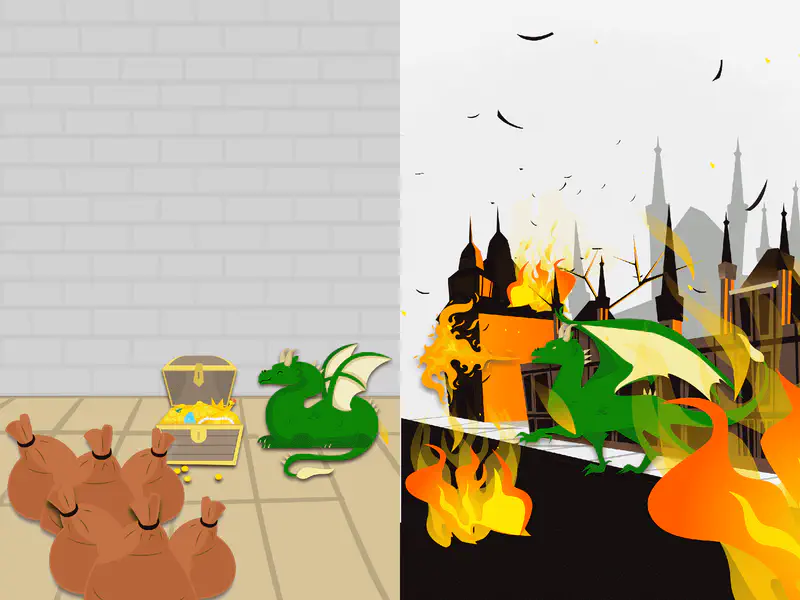
Some dragons in European stories are small but still troublesome. This is a puk, which originates from German folklore. It is said that a puk will come into a house and aim to bond with the people there. If it is treated fairly, it will steal treasures for the household from neighbors. If it is scorned, it will burn people or torch the whole house down.
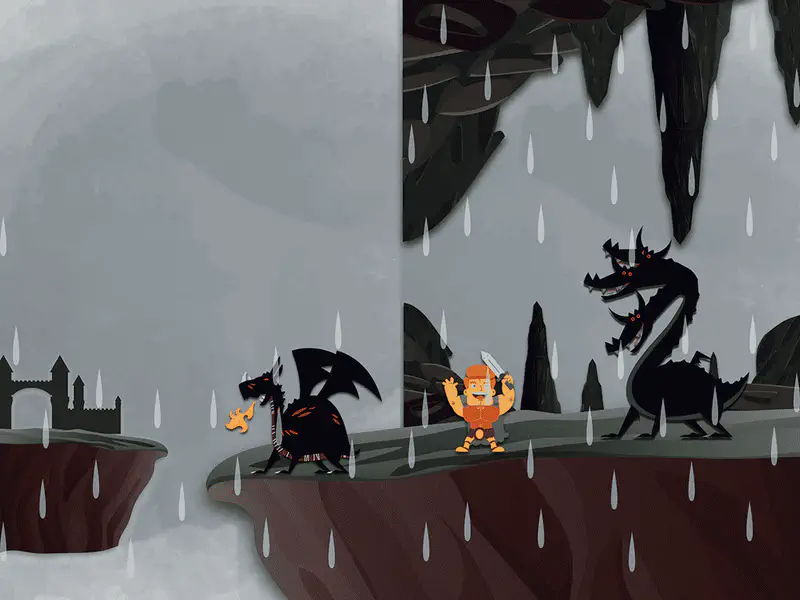
When a dragon has many heads, it is called a hydra. The number of heads can vary. Hercules fought a hydra as one of his labors. The tricky thing about going into battle with a hydra is that when you cut off one head, two new ones immediately sprout in its place!
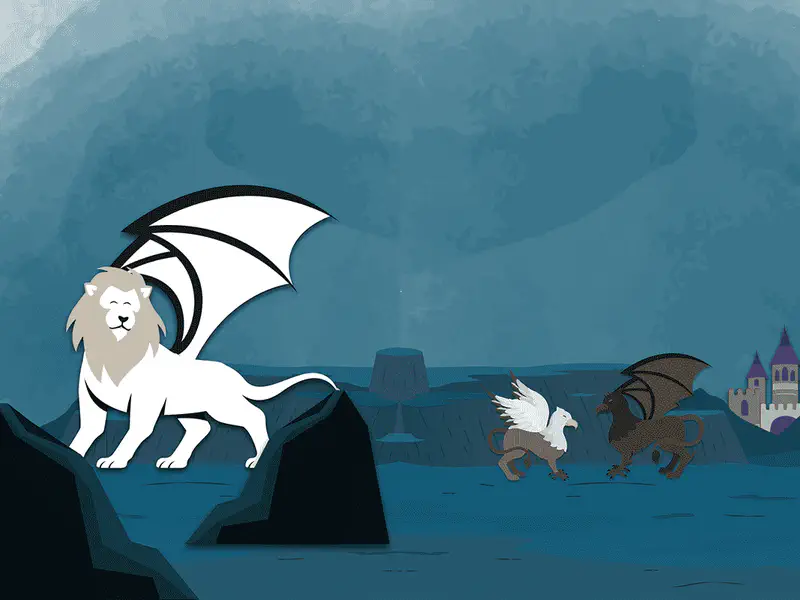
There are also a lot of stories about creatures that are hybrids. These are beasts that are a mixture of different kinds of animals. They are not traditionally dragons, but many had dragon-like qualities. Two popular ones were the griffin and the manticore. A griffin has the head and wings of an eagle and the body of a lion. A manticore has the body of a lion, the tail of a scorpion and wings. They can also have the face of a man.
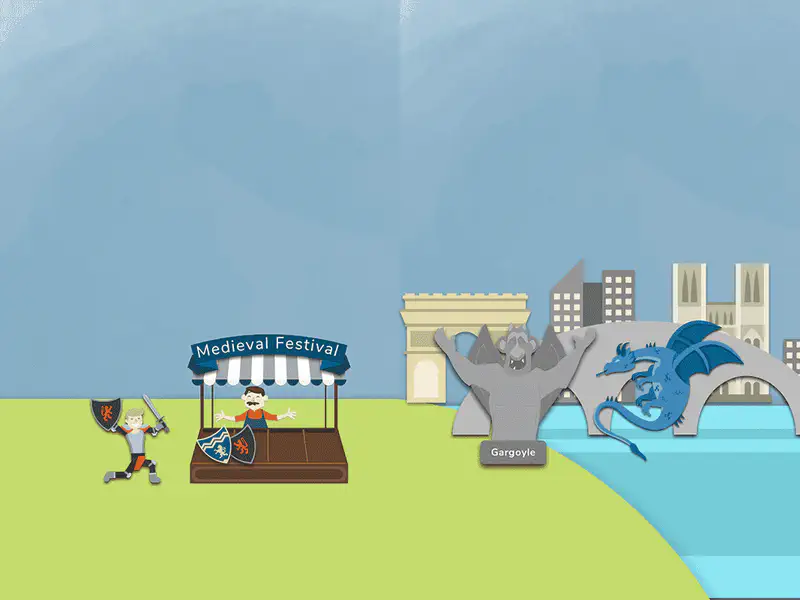
If you look at artifacts from medieval times, there are dragons all over the place. They were often carved or painted on weapons, shields, flags, armor and decorative treasures. You might also be familiar with gargoyles, which are statues that can often be seen on buildings in cities or by bridges. They come from a French legend.
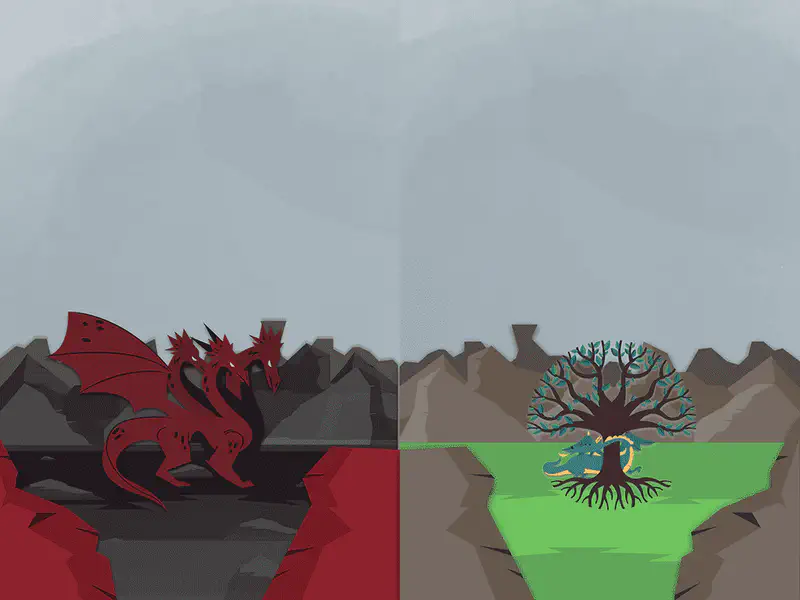
Slavic and Norse dragons were some of the most fearsome brutes. It was common in Slavic stories for dragons to be the masters of weather. It was also thought that dragons started out their lives as snakes. One of the most famous dragons in Norse mythology lives at the roots of the world tree, chewing at its roots. The world tree supports the nine worlds in Norse mythology. Nidhogg stands for chaos and evil, but it still has an important role in the ecosystem of the world tree that helps it to grow. It is trapped in the roots of the tree. The tales say that then the dragon finally chews free, the great war of Ragnarok will begin.
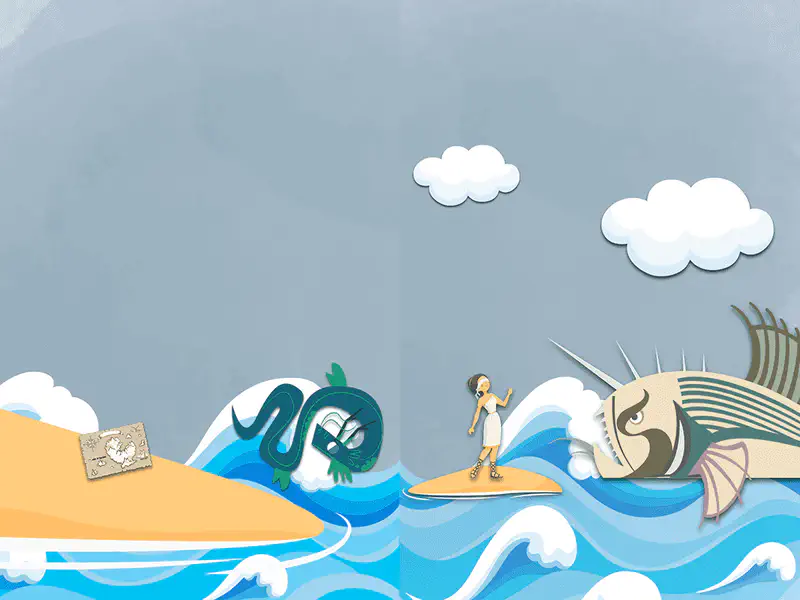
Some dragons were sea serpents or other beasts of the sea, such as monstrous whales and other sea monsters. Some maps long ago has drawings of monsters in uncharted seas and the text 'Here be dragons.' This represented dangerous and unknown waters. A famous monster of the sea was Cetus, whose tale comes from Greek mythology.
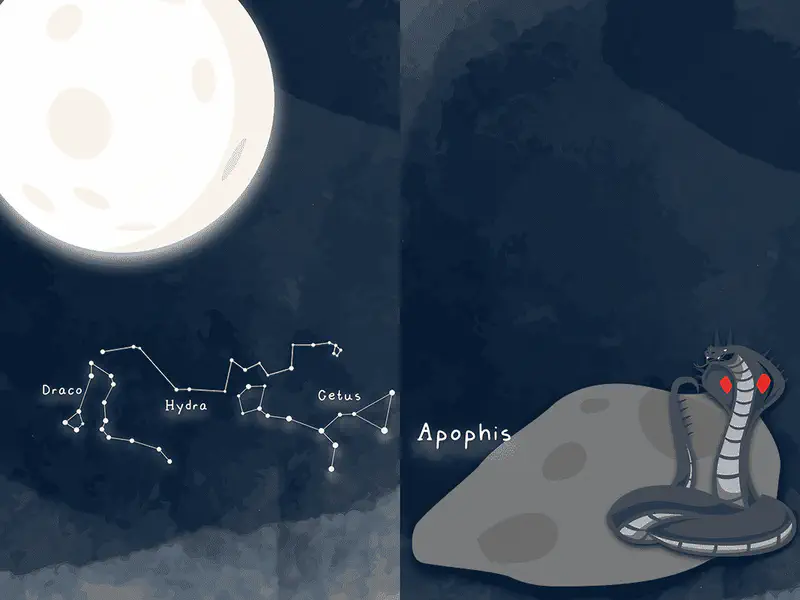
We can even see dragons when we look to space! People have named many planets, constellations, asteroids and other bodies in space after mythology. There are a few constellations named after dragons, such as Draco, Cetus, and Hydra. One of the largest asteroids in the belt between Mars and Jupiter is called Apophis after the world eater in Egyptian myth. Egypt is not in Europe, but dragon stories from there have played a big part in European culture.
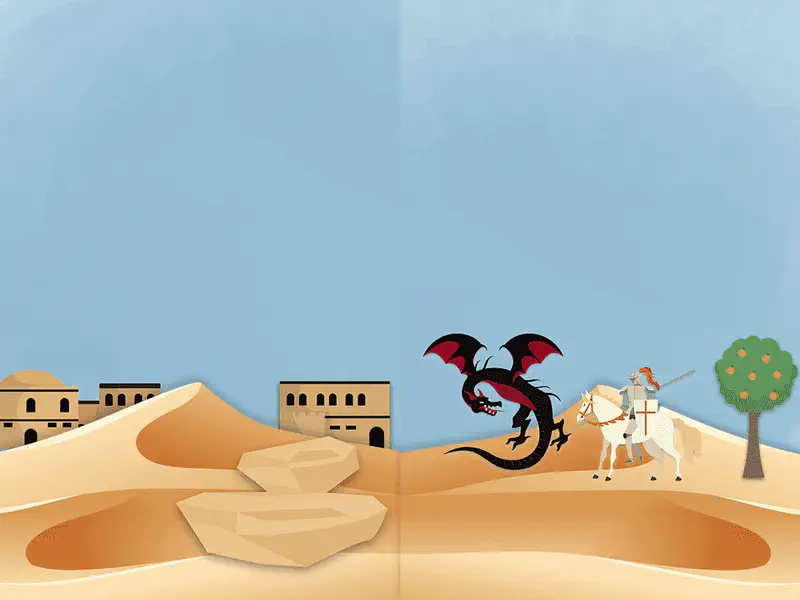
One of the best-known dragon stories is that of Saint George and the dragon. Have you ever seen the green dragon on the Welsh flag? That dragon represents this story. This dragon was gobbling up all of the maidens in the area. It has gotten to the point that only the princess was left. Saint George battled and slayed the dragon to rescue the princess. He did this by taking shelter from the dragon's venom under an orange tree.
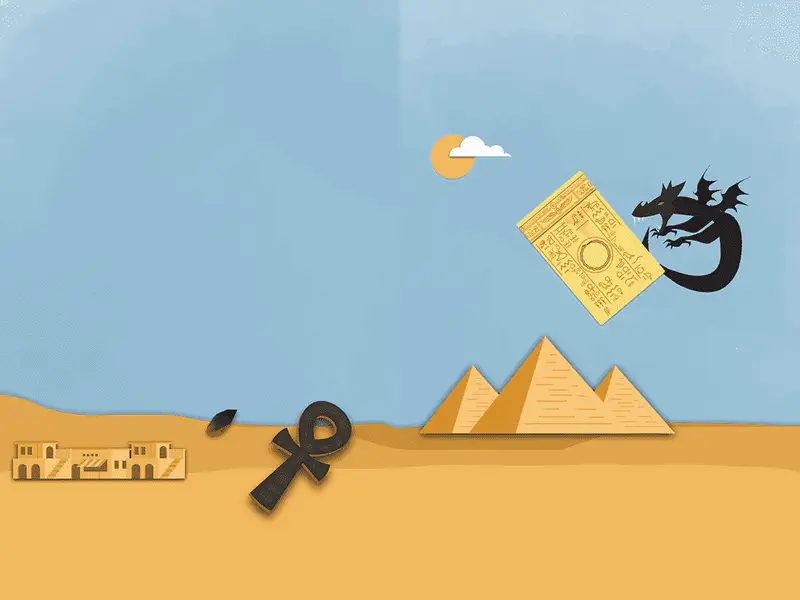
This is one of the most well-known dragon symbols. It is from the Book of the Dead in Egypt, but it has become important all across the world. The dragon is shown to be either biting or swallowing its tail. This stands for many things, including the cycles of life.
Dragons have always been an important part of our stories around the world. People are likely to keep telling dragon stories through time. Reading dragons stories from different parts of the world can help us to understand the morals and thoughts that people had at the time. What will dragon stories in the future hold?