


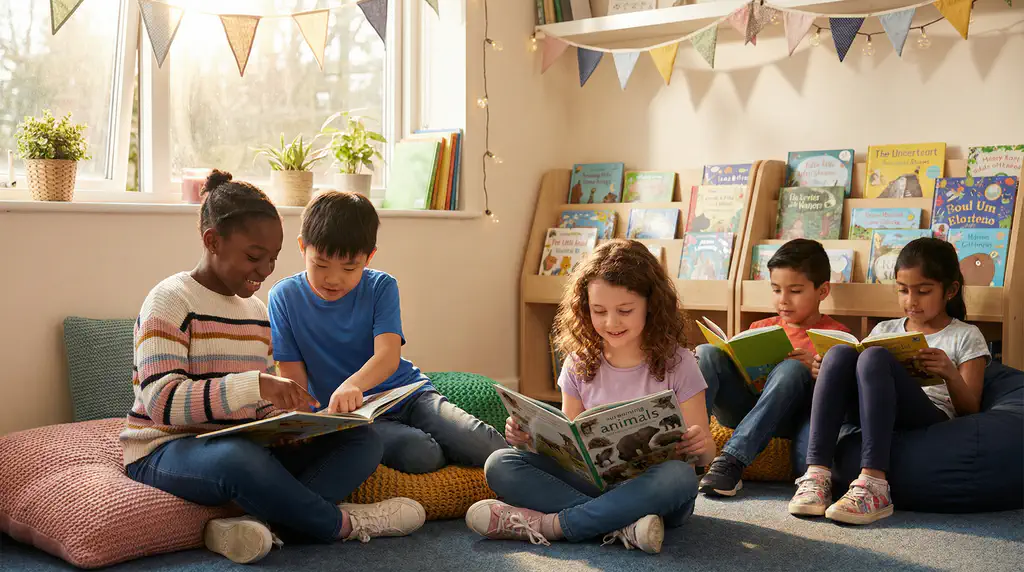

You probably already know your child should be reading more. What you might not know is just how quickly the desire to read is disappearing across an entire generation.
The National Literacy Trust’s 2025 survey of nearly 115,000 children found that reading enjoyment has hit its lowest point in 20 years: just one in three children aged 8 to 18 now say they enjoy reading for pleasure (Clark et al., 2025). Daily reading has dropped by nearly 20 percentage points since 2005. This is not a slow drift. It is a sharp, measurable decline, and it is happening internationally.
But when I review the research, there is reason for hope. A team of researchers, teachers, and children in the UK have built a programme grounded in six evidence-based principles that any parent or teacher can apply. What stands out is not just the framework itself, but how children responded to it.
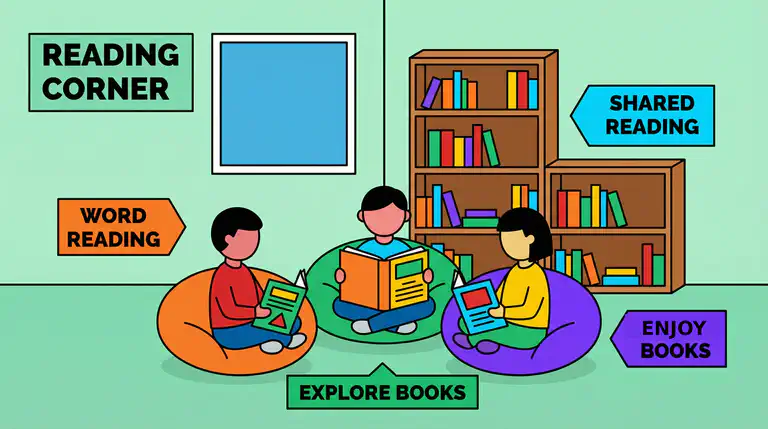
The Problem Is Bigger Than “Kids Don’t Like Books”
Reading motivation is not one thing. It is a complex mix of beliefs, habits, attitudes, and social experiences that together shape whether a child picks up a book or puts it down (Conradi et al., 2014). And motivation and reading are deeply linked: a meta-analysis (a study that combines results from many studies) by Toste et al. (2020) found that the correlation between motivation and reading achievement averages r = .22 in elementary school, meaning about 5% of reading performance connects to how much a child wants to read.
Most reading programmes focus on skills without directly addressing book reading motivation. But a meta-analysis of 39 studies by van der Sande et al. (2023) found that programmes designed to motivate students to read do work, producing an effect size of d = 0.38 on positive reading attitudes (a meaningful, measurable improvement) and d = 0.27 on comprehension. Longer programmes were more effective, and how a programme is delivered matters as much as what it contains.
Six Principles That Actually Work
A 2026 study in Reading Psychology by McGeown et al. describes “Love to Read,” a programme co-created by researchers, teachers, and children aged 8 to 11. Unlike top-down interventions, 59 children shared what motivates them to read, while six teachers contributed classroom expertise over five months of collaborative design (McGeown et al., 2026).
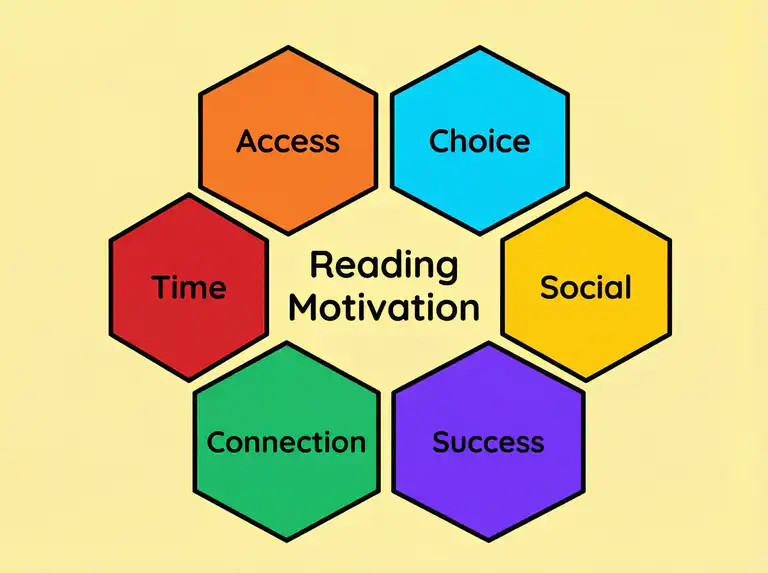
The result: a programme organised around six research-informed principles (access, choice, time, connection, social, and success) that translate motivation theory into something a teacher can realistically implement.
Access means ensuring children have books that genuinely reflect their interests, lives, and abilities. After the programme, teachers reported that reorganising class libraries had unexpected benefits: children who previously disengaged started browsing blurbs and categorising books by genre on their own.
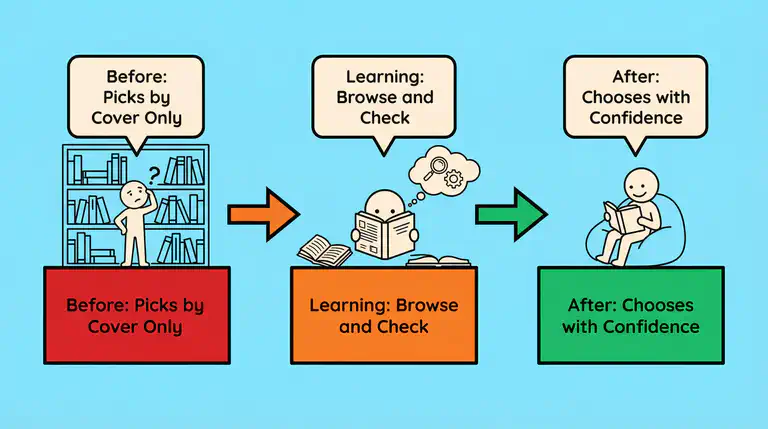
Choice is about teaching children how to select books, not just telling them to pick one. Many children lack the skills to choose well (Merga & Roni, 2017). One child said it plainly: “I used to just like pick up a book and look at the front cover, but now I think about what the story could be about.”
Time means protected reading time during the school day with books children enjoy. Teachers noticed something beyond reading improvement: calm. One described it as “guaranteed calm, and there’s always a really nice feeling of togetherness.”
Connection focuses on helping children find personal meaning in what they read. Children reported feeling more immersed in stories, which aligns with Bal et al. (2011) on how personal connection to text enhances reading engagement.
Social addresses the reality that reading is not just solitary. Children developed confidence to talk about books: “The Love to Read project made me more encouraged to talk about reading.” This is a powerful form of reading engagement activities, as social interactions reinforce the desire to keep reading.
Success broadens what “good reader” means beyond speed and accuracy, which is key to motivating reluctant readers. One child reflected: “I used to just think that I wasn’t that good at reading. But when I started reading bigger books, I realised that you achieve it if you put your mind to it.”
What This Means for Your Child
The Love to Read programme was piloted across four UK schools with 425 children. While the overall sample did not show statistically significant changes (meaning the measured differences could have been due to chance, likely because the survey scales lacked sensitivity), the qualitative evidence was striking. Children reported reading more at home, choosing books more thoughtfully, and feeling more confident discussing what they read.
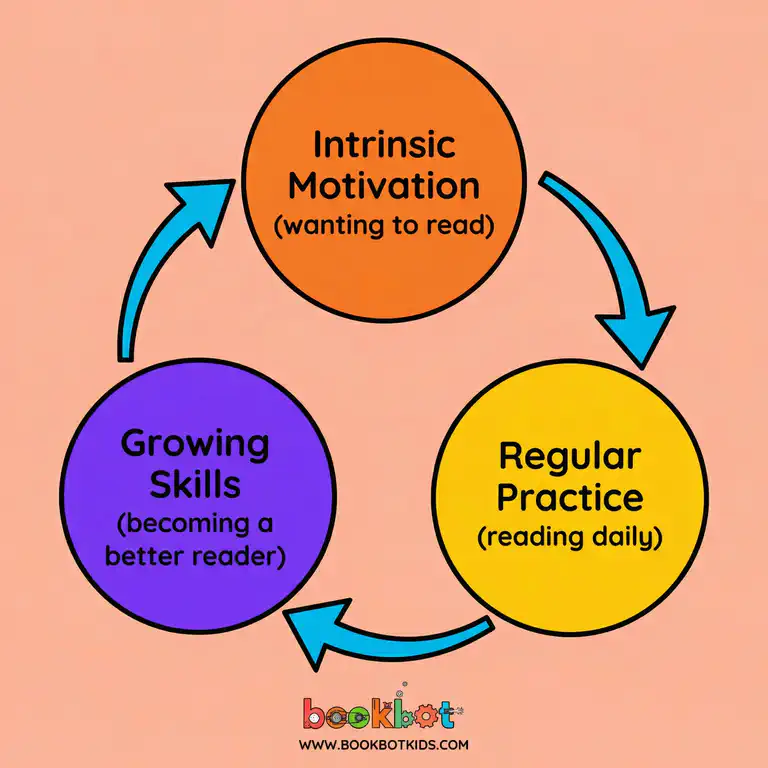
For children who started with the lowest reading engagement, there was a significant improvement, with an effect size of d = 0.8 (a large, meaningful change) for social reading engagement (McGeown et al., 2026). This matters because these are exactly the children who need the most support, and it aligns with evidence of a two-way relationship between motivation and reading ability (Morgan et al., 2008).
At Bookbot, I analyse reading data from thousands of children, and this research resonates with what we see every day. Children who feel ownership over their reading and get consistent practice build momentum. That is why Bookbot pairs a structured reading programme with speech recognition that listens as children read aloud, giving immediate feedback and building the confidence that fuels further reading.
Practical Strategies You Can Start Today
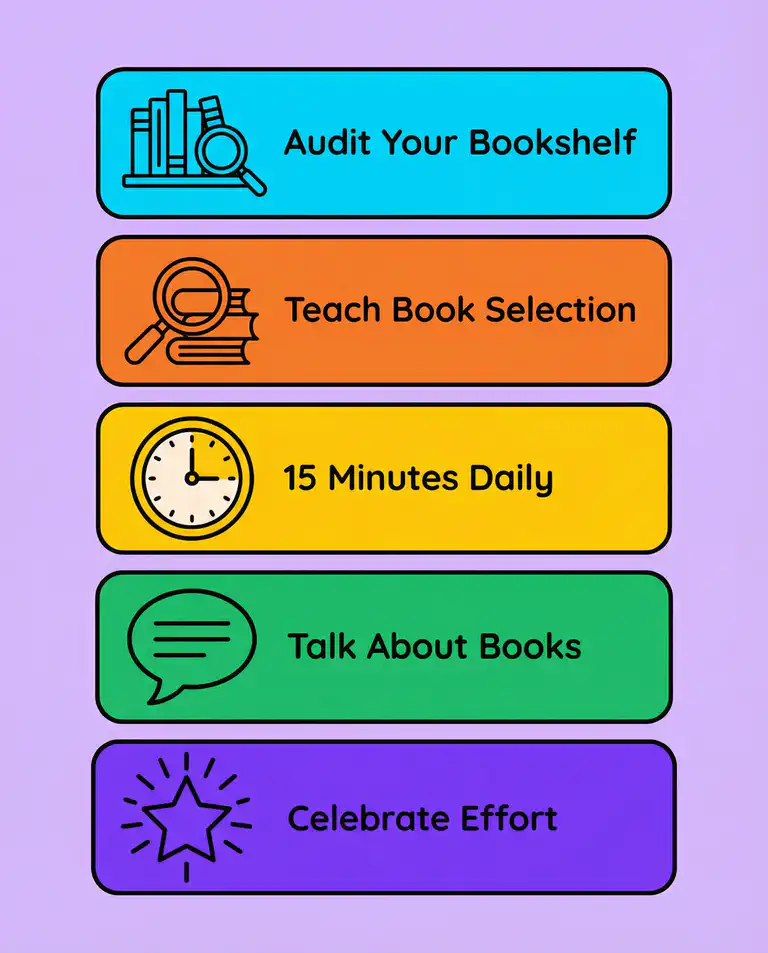
Audit your bookshelf together. Sort through books with your child. Remove anything dated or unused, and ask what topics or genres they want more of. Access starts with provision that matches their world.
Teach the “browse and check” method. Show your child how to read the back cover, flip through pages, and use the five-finger rule: more than five unknown words on a page means the book may be too challenging right now.
Protect 15 minutes of daily reading time. Regular, short sessions matter more than occasional long ones. Make this calm and non-negotiable, and let your child read whatever they enjoy.
Talk about books like you talk about films. Ask what happened, who their favourite character is, whether they would recommend it. Social reading just needs to be normal.
Celebrate the reading, not the speed. Praise effort and persistence rather than how fast or how many pages. When children see reading as something they can succeed at in many ways, they keep going.
The Bigger Picture
The decline in children’s reading motivation is real and accelerating. But this research confirms it is not irreversible. When adults focus on what actually drives children to read (autonomy, connection, confidence, and joy) rather than simply assigning more reading, children respond.
That is what we are building at Bookbot and Flinders University: tools that make daily practice engaging enough that children want to come back. The six principles are intuitive, but having research confirm why they work makes a compelling case for putting them into practice.
References
Bal, P. M., Veltkamp, M., & Jolles, J. (2011). Reading fiction improves empathy, but only for people with low transportation ability. Psychonomic Bulletin & Review. https://doi.org/10.3758/s13423-011-0189-7
Clark, C., Picton, I., & Litt, S. (2025). Children and young people’s reading in 2025. National Literacy Trust. https://literacytrust.org.uk/research-services/research-reports/children-and-young-peoples-reading-in-2025/
Conradi, K., Jang, B. G., & McKenna, M. C. (2014). Motivation terminology in reading research: A conceptual review. Educational Psychology Review, 26(1), 127-164. https://doi.org/10.1007/s10648-013-9245-z
McGeown, S., Oxley, E., McBreen, M., Shapiro, L., & Ricketts, J. (2026). The development and an acceptability and feasibility study of a programme to support children’s reading motivation and engagement. Reading Psychology. https://doi.org/10.1080/02702711.2026.2644962
Merga, M. K., & Roni, S. M. (2017). The influence of access to eReaders, computers and mobile phones on children’s book reading frequency. Computers & Education, 109, 187-196. https://doi.org/10.1016/j.compedu.2017.02.016
Morgan, P. L., Fuchs, D., Compton, D. L., Cordray, D. S., & Fuchs, L. S. (2008). Does early reading failure decrease children’s reading motivation? Journal of Learning Disabilities, 41(5), 387-404. https://doi.org/10.1177/0022219408321112
Toste, J. R., Didion, L., Peng, P., Filderman, M. J., & McClelland, A. M. (2020). A meta-analytic review of the relations between motivation and reading achievement for K-12 students. Review of Educational Research, 90(3), 420-456. https://doi.org/10.3102/0034654320919352
van der Sande, L., Wildeman, I., & de Naeghel, J. (2023). Effectiveness of interventions that foster reading motivation: A meta-analysis. Educational Psychology Review, 35, 21. https://doi.org/10.1007/s10648-023-09719-3